이번주 BBC 러닝잉글리시 - 6분영어가 다룬 문법 관련 이슈 는 관계대명사(7), 전치사(5), 분사(4), 동사: 디렉시칼동사(4), 동사: 시제·모습(tense-aspect)(3), 관계부사(3), 동명사(2), 동사(2), 문장형식: 5형식(2), 법조동사(2) 등이였습니다.

그 외에 형용사, that, 비교 구문, 삽입 구문, 인칭대명사, 동사: 글짜임 및 쓰임새, 구문(構文) [글짜임], 마디[節, clause], 명사, 문장형식: 4형식 등이 각각 1 건씩 다루어졌습니다.
[본문] [04] Encountering an animal in its natural habitat is a magical experience.
[설명] 『Encountering an animal ~』은 동명사(구)입니다. 문장성분은 주어입니다.
[본문] [05] Have you ever seen an animal in the wild, Georgie?
[설명] 이 월(=文章)은 현재완료 시제 글짜임입니다. 현재까지의 '경험'을 나타냅니다. '~라고 ~한 적이 있다'의 뜻이며 대체로 문장의 속내를 ever 따위의 부사와 함께 씁니다.
[본문] [09] What about you, Phil?
[설명] 『what about + 명사(동명사)』 글짜임은 제안을 하거나 잊고 있던 것을 상기 시킬 때 씁니다. '~는 어때?'의 뜻입니다.
[참조 링크]☞ How about? what aboout? 뜻 쉽게 비교
[본문] [10] Ooh, the most impressive one I've ever seen is actually a whale.
Ooh, the most impressive one {which/that} I've ever seen is actually a whale.
[설명] ⑴ 『the most impressive one』은 최상급 글짜임입니다. 최상급은 하나뿐인 것이므로 the를 붙입니다.
⑵ 선행(명)사 'the most impressive one' 뒤에 목적격 관계대명사 which 또는 that이 간추려져 빠져 있습니다.
⑶ 『I've ever seen』은 현재완료 시제 글짜임입니다. 현재까지의 '경험'을 나타냅니다. '~라고 ~한 적이 있다'의 뜻이며 대체로 문장의 속내를 ever 따위의 부사와 함께 씁니다.
[본문] [11] I was driving by the coast in Patagonia and you could see them in the sea.
[설명] ⑴ 『by the coast』의 by는 「A by B」의 관계에서 A가 B의 영향권에 들어 와 있음을 나타냅니다. ~의 옆에, 으로, ~의 옆으로, ~을 따라서, ~을 지나서 등의 뜻을 갖습니다.
⑵ 『you could see ~』의 you는 2인칭이 아니라 일반사람(generic you)을 나타내는 you입니다.
[본문] [13] And funny you say that because whale watching has become popular in many coastal parts of the world.
[설명] ⑴ 글머리에 'it be'가 간추려져 빠져 있습니다. funny, strange, good, nice와 같은 일부 형용사는 구어체에서 관용적으로 'it be'를 생략한 「형용사 that」 글짜임을 사용합니다. 격식체라면 생략하지 않는 게 좋습니다.
⑵ 『has become ~』은 현재-완료 시제-모습[현재 시제+완료 에스펙트(相)]입니다. 현재까지의 '계속되는 상황'을 나타냅니다.
⑶ 『become popular』의 become은 2형식 문장을 만드는 연결동사로 '상태의 변화'를 나타냅니다.
[본문] [14] But watching whales is very different from what humans used to do to: hunt and kill them for their oil and meat - an activity known as whaling.
[설명] ⑴ 『what humans used to do』는 what 목적격 관계대명사절로 절의 문장성분은 전치사 from의 목적어입니다.
⑵ (서)법조동사 「used to」는 비교적 긴 기간에 걸친 과거의 상습적인 동작이나 상태를 나타냅니다.
[본문] [15] Last year marked the 40th anniversary of the International Whaling Commission's global moratorium - that's a temporary ban on the commercial killing of whales.
[설명] ⑴ 전치사 on의 기본 개념은 '접촉'입니다. 『on the commercial killing ~』의 전치사 on은 '~에 관한, ~에 관하여. 서로 맞닿아 있는'의 속내로 서로 엮여 있는 주제, 테마 따위에 맞춰 쓰입니다.
⑵ 전치사 of의 기본 개념은 '분리'입니다. 『the commercial killing of whales』의 of는 [목적격의 of]입니다. A of B의 관계에서 'B를 A.하는 것'이라는 '목적어+술어'의 의미 맥락을 갖습니다, 즉, '고래를 상업적으로 죽이는 것'라는 뜻을 갖습니다.
[본문] [16] Although Japan, Iceland and Norway continue to hunt whales, there's no doubt the ban has saved many whales species from extinction.
Although Japan, Iceland and Norway continue to hunt whales, there's no doubt {that} the ban has saved many whales species from extinction.
[설명] 「no doubt」 뒤에 동격 명사절을 이끄는 접속사 that이 간추려져 빠졌습니다. 'no doubt'와 that 절은 동격입니다.
[본문] [21] You probably know that the world's largest whale is the blue whale, growing up to 30m long, but which whale species is the smallest?
[설명] 『growing ~』은 현재분사 글짜임으로 'the blue whale'을 뒤에서 꾸며 줍니다. 분사 앞에 「주격관계대명사와 be 동사」가 간추려져 있다고 생각할 수 있습니다.
[본문] [25] Well, 'pygmy' makes me think small so I'm going to go with c) the pygmy right whale.
[설명] 『'pygmy' makes me think small』은 make 5형식 글짜임입니다. 목적어가 me 목적격보충·어[補語, complement]가 'think small'입니다. make가 사역동사라서 목적어보충·어[補語, complement]로 원형부정사가 오고 있습니다.
[본문] [28] Humans have hunted whales for at least a thousand years, starting with small groups of hunters in slow-moving wooden boats.
[설명] ⑴ 『starting with small groups ~』는 때(시간)을 나타내는 분사구문입니다.
⑵
⑶
⑷
⑸
⑹
*
[본문] [29] Catching whales like this was often unsuccessful, especially big whales like blue and humpback whales, which can swim up to 30km/hr.
[설명] ⑴ 『Catching whales ~』는 동명사(구)입니다. 문장성분은 주어입니다.
⑵ 『which can swim 』의 which는 계속용법의 관계대명사입니다. 'and that'의 의미입니다.
[참조 Blog 링크]☞ 관계대명사의 계속적 용법
[참조 링크]☞ 관계대명사 계속적용법 총정리 which 생략 접속사+대명사 and but for though
[참조 링크]☞ Continuative uses of WHO and WHICH
[본문] [32] A chap called Svend Foyn, who was a whaler - he invented what we now know as the exploding harpoon.
[설명] ⑴ 『who was a whaler』의 who는 선행(명)사 'Svend Foyn'의 속뜻을 더해 주는 비제한용법의 관계대명사입니다. 흔히 콤마로 둘러싸인 삽입절의 꼴을 갖습니다.
⑵ 『what we now know ~』는 what 목적격 관계대명사절로 절의 문장성분은 목적어입니다.
[본문] [33] And that was a turning point for the whale.
[설명] 전치사 for의 기본개졈 '방향(方向)'입니다. 『a turning point for the whale』은 「A for B」의 관계에서 B가 A를 받아들이는 관계를 나타내는데 구체적으로는 A가 B의 영역에 들어가는 모습을 보여줍니다. '~에게(는)' 뜻을 갖습니다.
[본문] [34] The whale couldn't stand a chance.
[설명] 이 월(=文章)의 'stand a chance'는 ' 디렉시칼 구문의 관용적 표현으로 '(~을 할) 가능성이 있다' 라는 뜻을 갖습니다.
[본문] [35] In 1870, a chap - that's an informal word for a man - called Svend Foyn invented the exploding harpoon, a weapon for killing whales.
[설명] ⑴ 『called 』는 과거분사(구)로 'a man'을 뒤에서 꾸며줍니다. 분사 앞에 '주격관계대명사와 be 동사'가 생략되어 있다고 생각할 수 있습니다.
⑵ 「the exploding harpoon」과 「a weapon」이 동격입니다. 콤마가 동격을 나타냅니다.
[본문] [37] The phrase turning point means a time when a situation starts to change, especially in a positive way, although sadly not in this case.
[설명] 『when a situation starts ~』의 when은 한정용법의 관계부사입니다. 선행(명)사는 「a time」입니다.
[본문] [38] After this, the whales didn't stand a chance, meaning they had no chance of successfully avoiding the hunters.
[설명] 이 월(=文章)의 'stand a chance'는 ' 디렉시칼 구문의 관용적 표현으로 '(~을 할) 가능성이 있다' 라는 뜻을 갖습니다.
[본문] [39] Foyn's exploding harpoon, added to the invention of faster steam-powered boats, increased whaling massively throughout the 20th century, to the point where over three million whales had been killed and many species faced extinction.
[설명] 『where over three ~』의 where는 관계부사입니다, 선행사는 'the point'입니다.
[본문] [40] By the 1970s, there were only a few great whales left and environmental groups like Greenpeace started the Save the Whales campaign to make people aware of devastation in whale populations and the cruelty of whaling.
[설명] 『to make people aware of ~』는 make 5형식 글짜임입니다. 목적어가 people, 목적어보충·어[補語, complement]는 'aware ~'입니다.
[본문] [41] It became popular to listen to the Song of the Whale, recordings of whales communicating at sea, which sound something like this:
[설명] ⑴ 『became popular』의 become은 2형식 문장을 만드는 연결동사로 '상태의 변화'를 나타냅니다.
⑵ 『which sound ~』의 which는 계속용법의 관계대명사입니다. 'and that'의 의미입니다.
[참조 Blog 링크]☞ 관계대명사의 계속적 용법
[참조 링크]☞ 관계대명사 계속적용법 총정리 which 생략 접속사+대명사 and but for though
[참조 링크]☞ Continuative uses of WHO and WHICH
[본문] [43] People started thinking about whales in different ways.
[설명] 이 월(=文章)은 「start V-ing」 글짜임으로 이미 시작된 상황을 나타냅니다. 만약 to부정사가 오면 "이제 막"의 속내를 갖습니다.
[참조 링크]☞ start to vs start ing
[참조 링크]☞ hate, like, love, prefer 동명사와 to부정사 쓸 때의 차이점
[본문] [44] And then we have to give a shout-out to activist groups like Greenpeace, who put their RIB boats - they put their Zodiacs in between Soviet hunting vessels and sperm whales.
[설명] ⑴ 『we have to ~』의 'have to'는 '의무'를 나타내는 서법조동사입니다.
⑵ "give a shout-out"는 give 디렉시칼 동사로 '누군가 무언가를 공개적으로 칭찬하다'라는 뜻입니다.
[본문] [46] Joe gives a shout-out to Greenpeace activists for protecting whales.
[설명] "give a shout-out"는 give 디렉시칼 동사로 '누군가 무언가를 공개적으로 칭찬하다'라는 뜻입니다.
[본문] [48] Videos and photos taken by Greenpeace changed public opinion about whaling.
[설명] 『taken by ~』는 과거분사(구)로 'Videos and photos'를 뒤에서 꾸며줍니다. 분사 앞에 '주격관계대명사와 be 동사'가 생략되어 있다고 생각할 수 있습니다.
[본문] [51] But the moratorium - that means the temporary suspension - on hunting them has lasted 40 years and hopefully will help protect whales for decades more.
[설명] 『that means ~』는 삽입절로 앞의 내용을 설명해 줍니다.
[본문] [54] I asked you which was the smallest species of whale.
[설명] ⑴ 이 월(=文章)은 ask가 4형식 글짜임을 만듭니다. 간접목적어는 you, 직접목적어는 which 의문사절입니다.
⑵ 『which was the smallest ~』에서 의문대명사 which는 명사절을 이끕니다. 문장성분은 목적어입니다.
[본문] [57] Unfortunately, the answer is actually the vaquita whale, which is about 1.5m long.
[설명] 『which is about ~』의 which는 계속용법의 관계대명사입니다. 'and that'의 의미입니다.
[참조 Blog 링크]☞ 관계대명사의 계속적 용법
[참조 링크]☞ 관계대명사 계속적용법 총정리 which 생략 접속사+대명사 and but for though
[참조 링크]☞ Continuative uses of WHO and WHICH
[본문] [62] A turning point is when a situation starts to change, especially for the better.
[설명] 『when a situation ~』의 when은 관계부사입니다. 관계부사 when의 선행(명)사가 「the time」이면 간추려 뺄 수 있습니다.
pdf 파일은 이곳을 클릭하세요.
https://softca.tistory.com/3360을 클릭하세요.
이 블로그에는 [BBC 6분 영어와 관련하여 매주 다음과 같은 글들이 게시 됩니다
- 단어공부(금주 대본에 나온 주요 어휘) https://softca.tistory.com/3361
- 멀티단어공부(금주 대본에 사용된 멀티단어(구동사, 숙어) 간단 정리) https://softca.tistory.com/3362
- 독해공부(금주 대본의 문장별 해석(직역) 자료) https://softca.tistory.com/3363
- 문장별 문법공부(문장별 문법 설명) 이 글입니다
- 금주의 어휘(금주 대본에 나온 금주의 어휘를 집중적으로 정리한 자료) 이 글의 포스팅 시점에는 아직 작성되지 않았습니다.
- 항목별 문법공부(금주 대본에 나온 문법을 주제별/항목별로 정리한 자료) 이 글의 포스팅 시점에는 아직 작성되지 않았습니다.
- 금주의 구동사(금주 대본에 사용된 구동사 상세 정리) 이 글의 포스팅 시점에는 아직 작성되지 않았습니다.
- 금주의 PDF(금주의 PDF 및 기타 다운로드 파일) https://softca.tistory.com/3360

아래의 이미지를 클릭하시면 PDF로 된 대본(Script)를 다운받을 수 있습니다.
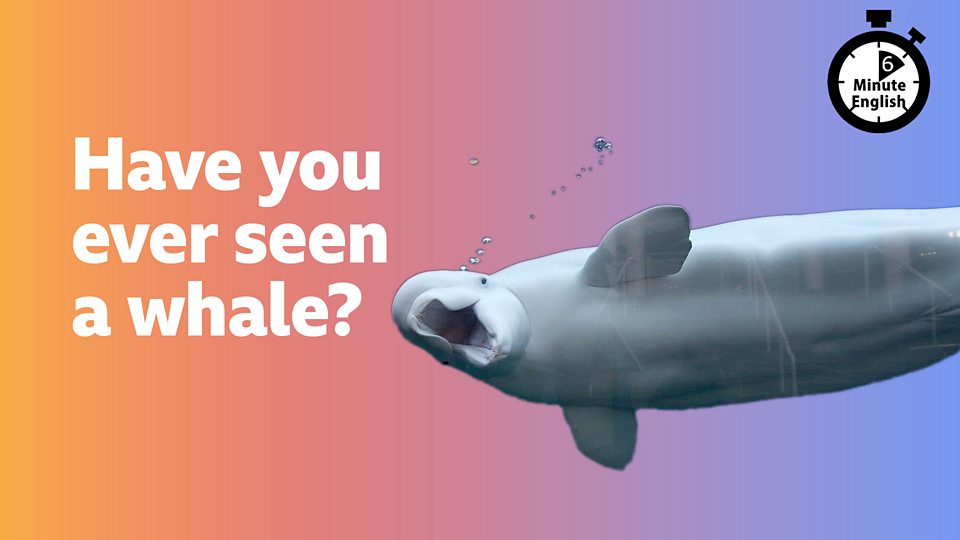
[영어 문장 공부] 자료를 처음 보시는 분은 아래의 링크를 클릭하셔서 「공부법」을 먼저 보시기를 권장 드립니다.
[영어문장공부] 학습법 보기


'BBC 6분영어' 카테고리의 다른 글
| BBC 러닝잉글리시 문법 강좌(항목별) - Have you ever seen a whale? [BBC 6분 영어] (0) | 2025.10.09 |
|---|---|
| [BBC 영어] 6분영어, 금주의 어휘 - Have you ever seen a whale? (0) | 2025.10.09 |
| [영어독해공부] Have you ever seen a whale? - BBC 6분 영어 강좌 (0) | 2025.10.08 |
| Have you ever seen a whale? 6분영어 영어단어공부 [BBC 러닝잉글리시 강좌] (0) | 2025.10.06 |
| [6분영어] Have you ever seen a whale? - 금주(2025-10-02) 의 BBC 러닝잉글리시 다운로드 PDF 파일 목록 (0) | 2025.10.06 |


