Whales are majestic creatures. Their sheer size, their ability to swim to great depths and their whale song have captured our imaginations throughout history. But have humans always had a positive relationship with whales? Phil and Georgie discuss this and teach you some new vocabulary.

고래는 장엄한 생명체입니다. 그들의 깎아지른 듯한 크기 그들의 엄청난 깊이까지 수영하는 능력 그리고 그들의 고래 노래가 역사를 통틀어 우리의 상상력을 마음을 사로잡아 왔습니다. 그런데 인간들이 항상 고래와 긍정적인 관계였나요? 필과 죠지가 이것을 논의합니다. 그리고 당신에게 몇몇의 새로운 어휘를 가르칩니다.
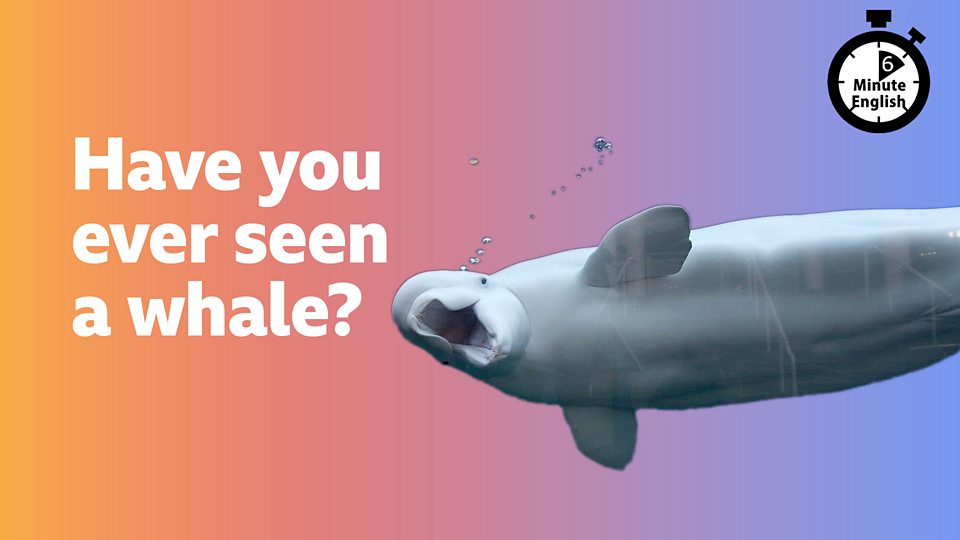
이 자료는 BBC 러닝잉글리시 코너의 6분영어가 매주 재공하는 스크립트를 직역한 것입니다. 이번 주 스크립트의 주제는 'Have you ever seen a whale?' 입니다.
해석은 철저하게 직역하였습니다. 관계사절 등의 절이나 긴 부정사, 동명사구, 삽입구 등은 이해를 위해 []를 사용해 묶었습니다. 이 글의 목적은 번역이 아니라 원문을 영어적으로 이해하는 것이기 때문입니다.
[본문] [01] Hello, this is 6 Minute English from BBC Learning English.
[직역] 안녕(하세요) 여기는 BBC 학습 영어의 6분 영어입니다
[본문] [02] I'm Phil.
[직역] 나는 필입니다
[본문] [03] And I'm Georgie.
[직역] 그리고 나는 죠지입니다
[본문] [04] Encountering an animal in its natural habitat is a magical experience.
[직역] 그것의 자연(의) 서식지에 있는 동물과 맞닥뜨리는 것은 마법적인 경험입니다
[본문] [05] Have you ever seen an animal in the wild, Georgie?
[직역] 죠지 당신은 야생에서 동물을 본 적이 있습니까?
[본문] [06] Yes, I have actually.
[직역] 예, 실제로 있었습니다.
[본문] [07] I was on a walk and we saw a baby badger.
[직역] 나는 산책하고 있었는 데, 우리는 어린 오소리를 보았습니다.
[본문] [08] It was on its own and it was really cute.
[직역] 그것은 혼자였습니다. 그리고 그것은 실제로 귀여웠습니다.
[본문] [09] What about you, Phil?
[직역] 필 당신은 어떻습니까?
[본문] [10] Ooh, the most impressive one I've ever seen is actually a whale.
Ooh, the most impressive one {which/that} I've ever seen is actually a whale.
[직역] 아하, 내가 지금까지 본 가장 인상적인 것은 실제로 고래입니다.
[본문] [11] I was driving by the coast in Patagonia and you could see them in the sea.
[직역] 나는 파타고니아 해안가를 운전하고 있었습니다. 그리고 당신은 그들을 바다에서 볼 수도 있습니다.
[본문] [12] Well, that sounds amazing.
[직역] 그래요 그것은 놀라운 것 같습니다.
[본문] [13] And funny you say that because whale watching has become popular in many coastal parts of the world.
[직역] 그리고 당신이 그렇게 말하니 재미 있습니다. 왜냐하면 고래 관광은 세계의 많은 해안의 지역에서 인기를 얻고 있습니다
[본문] [14] But watching whales is very different from what humans used to do to: hunt and kill them for their oil and meat - an activity known as whaling.
[직역] 그러나 고래를 구경하는 것은 [사람들이 쭈욱 해 오던 것] 즉, 〈whaling으로 알려진 활동인〉 그것들의 기름과 고기를 얻으려고 그것들을 사냥하고 죽이는 것과는 아주 다릅니다.
[본문] [15] Last year marked the 40th anniversary of the International Whaling Commission's global moratorium - that's a temporary ban on the commercial killing of whales.
[직역] 지난 해는 국제 포경(捕鯨) 위원회의 세계적인 모라토리엄의 40주년을 기념했습니다. (즉,) 그것은 고래의 상업 목적의 사냥의 일시적인 금지입니다.
[본문] [16] Although Japan, Iceland and Norway continue to hunt whales, there's no doubt the ban has saved many whales species from extinction.
Although Japan, Iceland and Norway continue to hunt whales, there's no doubt {that} the ban has saved many whales species from extinction.
[직역] 비록 일본 아이슬랜드 그리고 Norway가 계속하여 고래를 사냥하고 있지만, [그 금지가 많은 고래 종(種)들을 멸종에서 구해주고 있다] 라는 것은 의심할 수가 없습니다.
[본문] [17] In this programme, we'll discuss our past and present relationship with these giants of the ocean.
[직역] 이 프로그램에서, 우리는 이들 바다의 거인들과 우리의 현재 관계를 논의할 것입니다.
[본문] [18] And, as usual, we'll learn some useful new words and phrases too.
[직역] 그리고 늘 그렇듯이, 우리는 또한 몇몇 쓸모있는 새로운 단어와 구를 배울 것입니다.
[본문] [19] Plus, you'll find all the vocabulary for this episode, along with a quiz and worksheet, on our website: bbclearningenglish.com.
[직역] 더욱이 퀴즈 및 워크시트에 덧붙여, 당신은 이 에피소드에 관한 모든 어휘를 우리의 웹사이트인 비비씨러닝잉그리시닷컴에서 찾아낼 것입니다.
[본문] [20] But first, I have a question for you, Georgie.
[직역] 그러나 먼저 나는 당신에게 질문이 있습니다, 죠지.
[본문] [21] You probably know that the world's largest whale is the blue whale, growing up to 30m long, but which whale species is the smallest?
[직역] 당신은 아마도 [〈30m 길이까지 자라는〉 세계에서 가장 큰 고래가 흰긴수염고래이다] 라는 것을 압니다. 그러나 어떤 고래 종(種)이 가장 작습니까?
[본문] [22] Is it:
[직역] 이것입니다.
[본문] [23] a) the beluga whale, b) the vaquita whale, or c) the pygmy right whale?
[직역] ⒜ 벨루가 고래 ⒝ vaquita 고래 또는 ⒞ 피그미참고래.
[본문] [24] Hmm.
[직역] 흠
[본문] [25] Well, 'pygmy' makes me think small so I'm going to go with c) the pygmy right whale.
[직역] 그래요 피그미는 내가 작은 것을 생각하게 만듭니다. 그래서 나는 피그미참고래를 받아들일 것입니다.
[본문] [26] OK.
[직역] 오케이
[본문] [27] We'll find out later in the programme.
[직역] 우리는 나중에 프로그램애서 찾을 것입니다
[본문] [28] Humans have hunted whales for at least a thousand years, starting with small groups of hunters in slow-moving wooden boats.
[직역] 사람들은 〈느리게 움직이는 목선 안에서 작은 그룹의 사냥꾼으로 시작하면서〉 적어도 천년 동안 고래를 사냥하고 있습니다.
[본문] [29] Catching whales like this was often unsuccessful, especially big whales like blue and humpback whales, which can swim up to 30km/hr.
[직역] 이와 같이 고래 즉, 특히 푸른 고래와 흙돔고래와 같은 큰 고래를 잡는 것은 종종 성공하지 못합니다. 그런데 그것들은 시간당 30km까지 수영할 수 있습니다.
[본문] [30] But all that changed in the late 1800s, as Jayne Pierce of the South Georgia Heritage Trust explained to BBC Radio 4 programme Rare Earth:
[직역] 그러나 이 모든 것은 〈사우스조지아 해리티지재단의 Jayne Pierce가 비비씨라디오4 프로그램 Rare Earth에 설명한 것처럼〉 최근 1800년대에 바뀌었습니다.
[본문] [31] Something happened in Norway in the late 1800s.
[직역] 무언가가 1800년대 후반에 Norway에서 벌어졌습니다.
[본문] [32] A chap called Svend Foyn, who was a whaler - he invented what we now know as the exploding harpoon.
[직역] Svend Foyn이라고 불렸던 어떤 녀석이 고래를 잡는 사람이었던 그는 [우리가 지금 폭약 작살로 알고 있는 것을] 발명했습니다.
[본문] [33] And that was a turning point for the whale.
[직역] 그리고 그것이 고래에게는 터닝포인트였습니다.
[본문] [34] The whale couldn't stand a chance.
[직역] 고래는 가능성을 가질 수 없었습니다.
[본문] [35] In 1870, a chap - that's an informal word for a man - called Svend Foyn invented the exploding harpoon, a weapon for killing whales.
[직역] 1870년대에 Svend Foyn이라 불렸던 chap 즉, 그것은 남자에 대한 비격식적인 단어인데 (그가) 〈고래를 죽이는 무기인〉 폭약 작살을 발명했습니다.
[본문] [36] This was a turning point.
[직역] 이것이 터닝포인트였습니다.
[본문] [37] The phrase turning point means a time when a situation starts to change, especially in a positive way, although sadly not in this case.
[직역] turning point라는 구는 〈비록 애석하게도 이번 경우는 아니지만〉 어떤 상황이 〈특히 긍정적인 방식으로〉 바꾸기를 시작하는 때라는 의미입니다.
[본문] [38] After this, the whales didn't stand a chance, meaning they had no chance of successfully avoiding the hunters.
[직역] 이 후로는 고래는 살아날 가능성이 없었습니다. (즉, not stand a chance는) [그것들이 사냥꾼을 성공적으로 피할 가능성이 없다] 라는 의미입니다.
[본문] [39] Foyn's exploding harpoon, added to the invention of faster steam-powered boats, increased whaling massively throughout the 20th century, to the point where over three million whales had been killed and many species faced extinction.
[직역] Foyn의 폭약 작살은 〈20 세기를 통해〉 보다 빠른 증기선의 발명에 더해 고래잡이를 〈[3백만 마리의 고래가 살해되고 그리고 많은 종(種)들이 멸종에 직면했던] 지점까지〉 급격하게 증가시켰습니다.
[본문] [40] By the 1970s, there were only a few great whales left and environmental groups like Greenpeace started the Save the Whales campaign to make people aware of devastation in whale populations and the cruelty of whaling.
[직역] 1970s에 이르러 단지 약간의 큰 고래가 남겨져 있었습니다. 그리고 그린피스와 같은 환경 단체들이 〈사람들이 고래 개체수의 대대적인 파괴와 그리고 고래잡이의 잔인함을 알도록 만드는〉 고래를 구하자 캠페인을 시작했습니다.
[본문] [41] It became popular to listen to the Song of the Whale, recordings of whales communicating at sea, which sound something like this:
[직역] 〈바다에서 고래들이 의사소통하는 것의 녹음인〉 고래의 노래에 귀를 기울이는 것이 인기를 얻게 되었습니다. 그런데 그것은 이것과 닮은 듯한 무언가처럼 들립니다.
[본문] [42] Here's marine biologist Joe Roman, discussing the Save the Whales campaign with BBC Radio 4's Rare Earth:
[직역] 여기에 BBC 라디오 4 방송국의 Rare Earth와 함께 고래를 구하자 캠페인을 논의하는 해양 생물학자 Joe Roman이 있습니다.
[본문] [43] People started thinking about whales in different ways.
[직역] 사람들은 각각 다른 방법으로 고래에 관해 생각하기 시작했습니다.
[본문] [44] And then we have to give a shout-out to activist groups like Greenpeace, who put their RIB boats - they put their Zodiacs in between Soviet hunting vessels and sperm whales.
[직역] 그러고나서, 우리는 [그들의 RIB 배를 옮긴] 그린피스와 같은 활동가 딥단에 감사의 표시를 해야만 합니다. 그들은 그들의 조디악 호를 소련의 사냥 선박과 향유고래 사이에 둡니다.
[본문] [45] And they were very good at media.
[직역] 그리고 그들은 미디어에 아주 능숙합니다.
[본문] [46] Joe gives a shout-out to Greenpeace activists for protecting whales.
[직역] Joe는 고래를 보호하는 그린피스 활동가들에게 감사의 표시를 주었습니다
[본문] [47] To give a shout-out to someone means to praise them in public.
[직역] 누군가에게 'give a shout-out' 하는 것은 공개적으로 그들을 칭찬한다 라는 의미입니다.
[본문] [48] Videos and photos taken by Greenpeace changed public opinion about whaling.
[직역] 그린피스에 의해 촬영된 비디오와 사진은 고래잡이에 관한 여론을 바꾸었습니다.
[본문] [49] Joe says Greenpeace were good at media, meaning they skilfully used media outlets like TV and newspapers to convey their message to the public.
[직역] Joe는 [그린피스가 미디어에 능숙하다] (라고) 말합니다. [그들이 일반 사람들에게 그들의 메시지를 전달하기 위해 텔레비전과 신문과 같은 매스컴을 익숙하게 이용한다] 라는 의미입니다.
[본문] [50] Many whale species are still endangered and all whales still face danger from ocean acidification and plastic pollution.
[직역] 많은 고래 종(種)들은 여전히 위험에 빠져 있습니다. 그리고 모든 고래들이 아직도 산성화(酸性化)와 플라스틱 오염에서 오는 위험에 직면해 있습니다. 바다
[본문] [51] But the moratorium - that means the temporary suspension - on hunting them has lasted 40 years and hopefully will help protect whales for decades more.
[직역] 그러나 〈그들을 사냥하는 것에 대한〉 [일시적인 보류라는 의미인] 모라토리엄은 40년간 지속되었습니다. 그리고 희망적으로 수십 년간 보다 더 고래를 보호하는 것을 도울 것입니다.
[본문] [52] Phil, isn't it time you revealed the answer to your question?
[직역] 필 당신이 당신의 질문에 대한 답을 밝혀야 할 시간 아닙니까?
[본문] [53] OK.
[직역] 오케이
[본문] [54] I asked you which was the smallest species of whale.
[직역] 나는 [어느 것이 고래의 가장 작은 종(種)인지]를 당신에게 물었습니다.
[본문] [55] And I said the pygmy right whale, didn't I?
[직역] 그리고 나는 파그미참고래라고 말했습니다. 그렇지 않았나요?
[본문] [56] You did.
[직역] 당신은 그랬습니다
[본문] [57] Unfortunately, the answer is actually the vaquita whale, which is about 1.5m long.
[직역] 불행하게도 답은 실제로 바키타 고래입니다. 그런데 그것은 1.5m 길이입니다.
[본문] [58] Oh, so cute!
[직역] 아 너무 귀엽습니다.
[본문] [59] OK.
[직역] 오케이
[본문] [60] Let's recap the rest of the vocabulary we've learned.
[직역] 우리가 배운 나머지 어휘들의 개요를 말해 봅시다
[본문] [61] A chap is an informal word for a man.
[직역] 'chap'은 'man'에 대한 비격식적인 단어입니다
[본문] [62] A turning point is when a situation starts to change, especially for the better.
[직역] 'turning point'는 [상황이 특히 보다 나은 쪽으로 바뀌기 시작하는 때]입니다.
[본문] [63] If someone doesn't stand a chance, they have no chance of success.
[직역] 만약 누군가가 'stand a chance' 하지 않으면 그들은 성공의 기회가 업습니다.
[본문] [64] To give a shout-out to someone means to publicly praise them.
[직역] 누군가를 'give a shout-out' 한다는 것은 공공연하게 그들을 칭찬하는 것이라는 의미입니다
[본문] [65] And finally,if you're good at media, you are skilful at using media outlets to convey a message to the public.
[직역] 그리고 마지막으로 만약 당신이 'good at media' 하면, 당신은 대중들에게 메시지를 전달하는 매스컴을 활용하는 것에 능숙합니다.
[본문] [66] Once again, our six minutes are up but remember you can find worksheets, quizzes and loads more resources to improve your English on our website: bbclearningenglish.com.
[직역] 한 번 한 번 더 우리의 6분 영어가 끝났습니다. 그러나 기억하십시오 당신은 영어 실력을 향상시키기 위해 우리의 웹사이트인 비비씨러닝잉그리시닷컴에서 워크시트 퀴즈 그리고 더 많은 자료들을 찾을 수 있습니다.
[본문] [67] See you there soon but for now, it's goodbye!
[직역] 곧 다시 뵙겠습니다 그러나 이제는 안녕입니다
[본문] [68] Whales are majestic creatures.
[직역] 고래는 장엄한 생명체입니다.
[본문] [69] Their sheer size, their ability to swim to great depths and their whale song have captured our imaginations throughout history.
[직역] 그들의 깎아지른 듯한 크기 그들의 엄청난 깊이까지 수영하는 능력 그리고 그들의 고래 노래가 역사를 통틀어 우리의 상상력을 마음을 사로잡아 왔습니다.
[본문] [70] But have humans always had a positive relationship with whales?
[직역] 그런데 인간들이 항상 고래와 긍정적인 관계였나요?
[본문] [71] Phil and Georgie discuss this and teach you some new vocabulary.
[직역] 필과 죠지가 이것을 논의합니다. 그리고 당신에게 몇몇의 새로운 어휘를 가르칩니다.
pdf 파일은 이곳을 클릭하세요.
https://softca.tistory.com/3360을 클릭하세요.
이 블로그에는 [BBC 6분 영어와 관련하여 매주 다음과 같은 글들이 게시 됩니다
- 단어공부(금주 대본에 나온 주요 어휘) https://softca.tistory.com/3361
- 멀티단어공부(금주 대본에 사용된 멀티단어(구동사, 숙어) 간단 정리) https://softca.tistory.com/3362
- 독해공부(금주 대본의 문장별 해석(직역) 자료) 이 글입니다
- 문장별 문법공부(문장별 문법 설명) 이 글의 포스팅 시점에는 아직 작성되지 않았습니다.
- 금주의 어휘(금주 대본에 나온 금주의 어휘를 집중적으로 정리한 자료) 이 글의 포스팅 시점에는 아직 작성되지 않았습니다.
- 항목별 문법공부(금주 대본에 나온 문법을 주제별/항목별로 정리한 자료) 이 글의 포스팅 시점에는 아직 작성되지 않았습니다.
- 금주의 구동사(금주 대본에 사용된 구동사 상세 정리) 이 글의 포스팅 시점에는 아직 작성되지 않았습니다.
- 금주의 PDF(금주의 PDF 및 기타 다운로드 파일) https://softca.tistory.com/3360

아래의 이미지를 클릭하시면 PDF로 된 대본(Script)를 다운받을 수 있습니다.
[영어 문장 공부] 자료를 처음 보시는 분은 아래의 링크를 클릭하셔서 「공부법」을 먼저 보시기를 권장 드립니다.
[영어문장공부] 학습법 보기