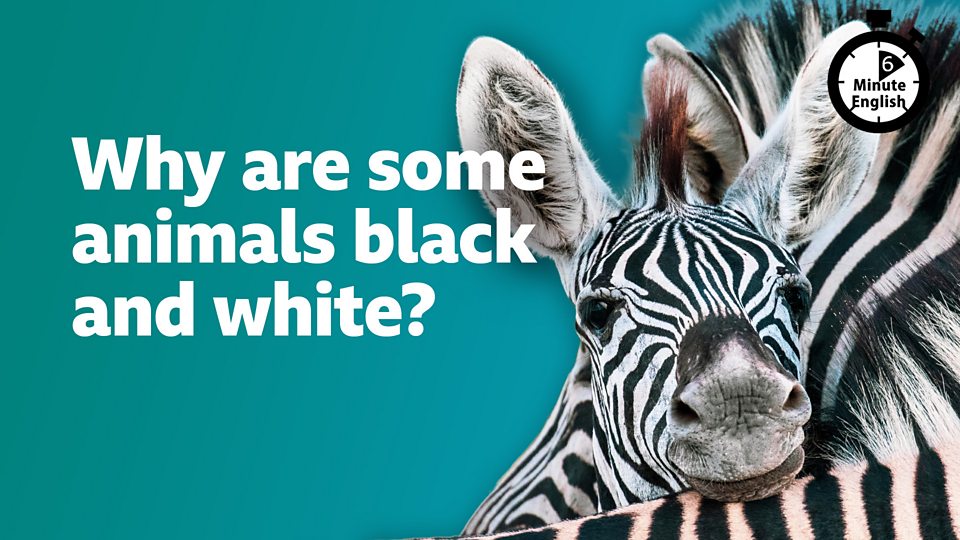
How many animals can you think of that are black and white? Zebras, penguins, orcas, snow leopards… there are loads! But have you ever wondered why these animals have developed such unique and striking appearances? Neil and Becca discuss this and teach you some new vocabulary.

이것은 이번 주제의 주요 내용입니다. 영어 단어를 공부할 때 스토리와 함께 공부하면 크게 도움이 됩니다. 다음은 이번 주에 수록된 주요 단어 목록들입니다.
|
aposematism noun[10000+] from [씨앗말] aposematism
[본문] [24]a) camouflage, b) mimicry, or c) aposematism?
[영한] ① 경계색(警戒色) ② 경고색(警告色)
[영영] (biology, chiefly zoology) An adaptation, especially a form of coloration, that warns off potential predators.
[어근] ⑴ apo; off, from, away ⑵ semat(sema); sign ⑶ ism; 접미어
[계열] semaphore, aposematic, aposematism, asemasia, asemia, asemic, pentaseme, polyseme, polysemic, polysemous, polysemy, semantic, semantics, semasiology, sematic
bite noun ★★★★[2001] from [씨앗말] bite((깨)물다)
[본문] [28]Some scientists think zebras' distinctive black-and-white stripes prevent bites from flies and other insects.
[영한] ① 물기, 무는 행위 ② 한 입 ③ 소량의 음식[식사], 요기 ④ (짐승곤충에게) 물린[쏘인] 상처[자국] ⑤ (맛있게) 톡 쏘는[자극적인/진한] 맛 ⑥ 얼얼함, 톡 쏘듯 추움 ⑦ 짜릿함, 자극적인 요소 ⑧ (물고기의) 입질
[영영] A bite of something, especially food, is the action of biting it.
[굴절형] 복수형; bites
<동사> ① (이빨로) 물다[베어 물다] ② (곤충뱀 등이) 물다 ③ (물고기가) 미끼를 물다
[어근] bite; 쓰라린, bitter
[어원] 《고대 영어 bitan》 (깨)물다; 깨물기, 이빨로 깨무는 짓
[최초 의미] a biting, an act of piercing with the teeth
[파생] biter, bite
[계열] bit, bite, bitter, bitterly, bait, bitterness, clickbait, byte, kilobyte, biting, embitter
bite verb ★★★★[2001] from [씨앗말] bite((깨)물다)
[본문] [37]They lost interest and didn't bite.
[영한] ① (이빨로) 물다[베어 물다] ② (곤충뱀 등이) 물다 ③ (물고기가) 미끼를 물다 ④ 악영향이 나타나다
[영영] If you bite something, you use your teeth to cut into it, for example in order to eat it or break it. If an animal or person bites you, they use their teeth to hurt or injure you.
[굴절형] bit, bitten, biting, bites
<명사> ① 물기, 무는 행위 ② 한 입 ③ 소량의 음식[식사], 요기
[어근] bite; 쓰라린, bitter
[어원] 《고대 영어 bitan》 (깨)물다; 깨물기, 이빨로 깨무는 짓
[최초 의미] to pierce or cut with the teeth"
[파생] biter, bite
[계열] bit, bite, bitter, bitterly, bait, bitterness, clickbait, byte, kilobyte, biting, embitter
bunch noun ★★★★[2357] from [씨앗말] bunch
[본문] [33]We originally set out to test whether maybe there were these optical illusions at play, so we did a whole bunch of tests where we tried different patterns of rugs, but it turned out that practically every high-contrast pattern, every black and white pattern we used, almost every pattern was really effective at stopping flies.
[영한] ① 다발, 송이, 묶음 ② (양수가) 많음 ③ (한 무리의) 사람들 ④ 갈래 머리
[영영] A bunch of people is a group of people who share one or more characteristics or who are doing something together.
[굴절형] 복수형; bunches
<동사> (up) 단단해지다[단단하게 만들다], 단단히 접히다[접히게 만들다]
[어근] bunch; 묶음, bunch
[어원] 《플라망말 boud》 bundle
[최초 의미] a bundle
[파생] bunchy, bunch
[계열] bunch, bunchy
centre noun ★★★[2518] from [씨앗말] center(뾰족한 끝)
[본문] [45]And then later on, I realised that in fact there was a giant panda in the centre of that picture some distance away.
[영한] ① 중심, 중앙, 가운데 ② 도심지, 중심가 ③ (문화사업 등의) 중심지 ④ 센터 ⑤ (특정 활동의) 뛰어난 중심지 ⑥ (관심의) 중심[초점] ⑦ [형용사에서] … 중심의 참조 self-centred ⑧ 중도파 ⑨ 센터포드
[영영] A centre is a building where people have meetings, take part in a particular activity, or get help of some kind.
[굴절형] 복수형; centres
<동사> 중앙에 놓다 <형용사> [A] 중심의, 중심에 있어서의, 중도파의
[어근] centre(center); 중심
[BRIT] 미국영어 ☞ center
[어원] 《그리스어 kentron》 뾰족한 끝, 막대기, 말벌의 가시
[최초 의미] middle point of a circle; point round which something revolves
[계열] center, central, concentrate, concentration, centre, eccentric, centrifugal, anthropocentric, acentric, acrocentric, amniocentesis, anthropocentrism, barycenter, biocentric, biocentrism
click verb ★★★[2794] from [씨앗말] click
[본문] [46]Immediately that... that clicked in my mind.
[영한] ① 찰칵[딸깍]하는 소리를 내다 ② (마우스를) 클릭하다[누르다] ③ (불현듯) 딱 분명해지다[이해가 되다] ④ 즉각 좋아하게 되다, 인기를 얻다 ⑤ 손발이 잘 맞다
[영영] If something clicks or if you click it, it makes a short, sharp sound.
[굴절형] clicked, clicked, clicking, clicks
<명사> ① 찰칵[딸깍] ② (컴퓨터 마우스를) 클릭함 ③ (음성) 흡착음, 혀 차는 소리
[어근] ⑴ click; 클릭, click ⑵ click; 찰칵, click
[어원] 《의성어/의태어 click》 click
[최초 의미] cause to make a weak, sharp, sound
[파생] clicker, clickless, click
[계열] click, click, cliche, clickbait, clickable, clicker, clickjacking, clickless, clickstream
confuse verb ★★★★[2109] from [씨앗말] confuse(com+fundere) 《 fuse(붓다)
[본문] [38]So, zebras' stripes confuse insects, telling them to look elsewhere for food.
[영한] ① (사람을) 혼란시키다 ② A와 B를 혼동하다 ③ (주제를) 혼란스럽게 만들다
[영영] If you confuse two things, you get them mixed up, so that you think one of them is the other one.
[굴절형] confused, confused, confusing, confuses
[유의어] mix up(혼동하다)
[어근] ⑴ con(com); together ⑵ fuse(fus); 붓다, 녹이다, pour
[어원] 《라틴어 confundere》 [com+fundere] to confuse, jumble together, bring into disorder; disconcert, perple
[최초 의미] mix or mingle things or ideas so as to render the elements indistinguishable
[파생] confusability, confusable, confusion, confuse
[계열] refuse, confuse, fund, confusion, refusal, confusing, confused, fusion, confound, refund, profuse, funnel, transfusion, profusion, confusability
differently adv. ★★★★[2071] from [씨앗말] differ 《 fer(가져오다)
[본문] [35]Black and white stripes created an optical illusion, a visual trick that makes your eyes see things differently from how they really are.
[영한] ① 다르게, 같지 않게 ② 따로, 별도로
[영영] ① in a way that is not the same as another or as before
② in a novel and unusual way
③ in varied ways; diversely
[어근] ⑴ dif(dis); apart ⑵ fer; bring, carry ⑶ ent(ant); 형용사어근 ⑷ ly; 부사어근
[어원] 《라틴어 ferre》 가져오다, 운반하다, 견디다[열매 맺다]
[파생] differ, difference, different, differently, differentness
[계열] different, difference, offer, refer, suffer, prefer, reference, differently, conference, transfer, preference, offering, suffering, differ, infer
disguise noun △[9068] from [씨앗말] disguise
[본문] [42]But seen from a distance in the snowy mountain forests where they live, black and white makes the perfect disguise.
[영한] ① 변장[가장] (도구) ② 변장술
[영영] ① clothes or other things that you wear so that people will not recognize you
② the act of changing your appearance so that people will not recognize you
[굴절형] 복수형; disguises
<동사> ① 변장[가장]하다 ② 위장하다, 숨기다
[어근] ⑴ dis; 하지 않기, 不, apart ⑵ guise; 겉모습, style, appearance
[어원] 《프랑스말 desguiser》 [des-("away, off")+guise("style, appearance")] 《Old French》 disguise, change one's appearance
[파생] disguisable, disguised, disguisedly, disguisement, disguiser, disguise
[계열] disguise, guise
dislike verb ★★★[2786] from [씨앗말] dislike 《 like(기쁨)
[본문] [69]If something puts you off, it causes you to dislike it or lose interest.
[영한] 싫어하다
[영영] If you dislike someone or something, you consider them to be unpleasant and do not like them.
[굴절형] disliked, disliked, disliking, dislikes
[반의어] like
<명사> ① 반감, 싫음 ② 싫어하는 것
[구성단어] dis + like
[어근] ⑴ dis; 不, 非, not ⑵ like; 좋아하다, like
[어원] 《고대 영어 lician》 기쁘게하다, 기분을 맞추다, 충분하다
[최초 의미] be displeased with, regard with some aversion or displeasure
[파생] dislikable, dislikeable, dislike
[계열] like, dislike, dislikable, dislikeable
distinctive adj. ★★[3757] from [씨앗말] distinct 《 stinct(찌르다)
[본문] [28]Some scientists think zebras' distinctive black-and-white stripes prevent bites from flies and other insects.
[영한] 독특한
[영영] Something that is distinctive has a special quality or feature which makes it easily recognizable and different from other things of the same type.
[유의어] characteristic(독특하다), individual(개성 있다), diagnostic
[구성단어] distinct + Ive
[어근] ⑴ di(dis); 하지 않기, 不, apart ⑵ cry; 울다, cry ⑶ stinct; 찌르다, apart ⑷ ive; 형용사 어미
[어원] 《라틴어 stinguere》 찌르다, 못살게 굴다
[파생] distinct, distinction, distinctive, distinctively, distinctiveness, distinguish
[계열] instinct, distinguish, distinctive, extinction, distinct, distinction, extinct, instinctive, instinctively, distinctly, distinctively, distinctiveness, distinctness, distinguishable, distinguishably
elsewhere adv. ★★★★[2236] from [씨앗말] where(어딘가)
[본문] [38]So, zebras' stripes confuse insects, telling them to look elsewhere for food.
[영한] (어딘가) 다른 곳에서[으로]
[영영] Elsewhere means in other places or to another place.
[구성단어] else + where
[어근] ⑴ else; else ⑵ where; where
[어원] 《라틴어 cur》
[계열] where, somewhere, everywhere, whereas, anywhere, elsewhere, wherever, nowhere, whereby, wherein
evolve verb ★★★★[2030] from [씨앗말] evolve 《 volve(돌다[구르다])
[본문] [10]But do you know why these animals evolved to be black and white?
[영한] ① (점진적으로) 발달[진전]하다[시키다] ② (생물) (동식물 등이) 진화하다[시키다]
[영영] When animals or plants evolve, they gradually change and develop into different forms.
[굴절형] evolved, evolved, evolving, evolves
[유의어] sort out
[어근] ⑴ e(ex); 외(外) ⑵ volve; 돌다
[어원] 《라틴어 evolvere》 ex+volvere; to unroll, roll out, roll forth, unfold
[최초 의미] to unfold, open out, expand,
[파생] evolution, evolutional, evolutionary, evolutive, evolvable, evolve, evolvement, evolver
[계열] involve, revolution, evolve, evolution, involved, volume, evolutionary, involvement, revolutionary, revolve, revolt, revolute, valve, revolutionise, revolutionize
fairly adv. ★★★★[1802] from [씨앗말] fair(기쁜[멋진])
[본문] [44]The giveaway for me was 15 photos of giant pandas, taken either fairly close up or at a distance, and in two of those photos, I was unable to see anything in the picture other than rocks and snow.
[영한] ① 상당히, 꽤 ② 공정[타당]하게, 정직하게 ③ 정말(강조 용법)
[영영] Fairly means to quite a large degree. For example, if you say that something is fairly old, you mean that it is old but not very old.
[유의어] quite
[어근] ⑴ fair; fair ⑵ ly; 부사어미
[어원] 《고대 영어 fæger》 (사람들이나, 몸매, 어떤 대상, 장소 등을 볼 때) 만족스러운, 아름다운, 멋진, 매력적인
[파생] fairish, fairly, fairness, fair
[계열] fair, fairly, unfair, unfairly, fairness, unfairness, fairway
frog noun ★★★[3328] from [씨앗말] frog
[본문] [16]The animal world is full of colour - shiny blue peacocks and bright green frogs.
[영한] ① 개구리 ② 프랑스인(모욕적인 표현)
[영영] A frog is a small creature with smooth skin, big eyes, and long back legs which it uses for jumping. Frogs usually live near water.
[굴절형] 복수형; Frogs Froggies
<동사> 개구리를 잡다
[어근] frog; 개구리, frog
[어원] 《고대 영어 frogga》 frog
[최초 의미] ① frog ② type of fastening for clothing
[계열] frog
giveaway noun △[10000+] from [씨앗말] away 《 way(길)
[본문] [44]The giveaway for me was 15 photos of giant pandas, taken either fairly close up or at a distance, and in two of those photos, I was unable to see anything in the picture other than rocks and snow.
[영한] ① (상품에 곁들여 주는) 증정품[경품] ② (은연중에) 진실을 드러내는 것
[영영] ① something (such as a movement or a facial expression) that clearly shows the truth or existence of something that had not been known
② something that is given away free
③ an event at which things are given away
<형용사> 떨이로 파는 , [라디오/TV] (프로 따위에서) 상품이 붙은.
[구성단어] give + away
[어근] ⑴ give; 주다, give ⑵ a(on); on ⑶ way; 길, way
[어원] 《고대 영어 aweg》 [from onweg] away
[계열] give, gift, forgive, given, forgiveness, giving, giver, forgivable, gifted, givable, giveable, giveaway, misgive, unforgiven, unforgiveness
grassy adj.[10000+] from [씨앗말] grass
[본문] [41]Against a grassy background, they stand out easily.
[영한] 풀로 덮인
[구성단어] grass + y
[어근] ⑴ grass; 풀, grass ⑵ y; 형용사 어미
[어원] 《고대 영어 græs》 herb, plant, grass
[파생] grassiness, grassy
[계열] grass, graze, grazer, grassland, seagrass, grasshopper, grassiness, grassless, grasslike, grassy
illusion noun ★★[3549] from [씨앗말] illusion 《 lude(놀다)
[본문] [35]Black and white stripes created an optical illusion, a visual trick that makes your eyes see things differently from how they really are.
[영한] ① (특히 사람/상황에 대한) 오해[착각] ② 환상, 환각
[영영] An illusion is a false idea or belief.
[굴절형] 복수형; illusions
[어근] ⑴ il(en); 안에 두다, in, at ⑵ lus(lud); lud ⑶ ion; 명사 어미
[최초 의미] mockery, scorning, derision;
[파생] illusionary, illusioned, illusive, illusory, illusion
insect noun ★★★★[2028] from [씨앗말] insect(with a notched ) 《 sect(자르다)
[본문] [28]Some scientists think zebras' distinctive black-and-white stripes prevent bites from flies and other insects.
[영한] 곤충
[영영] An insect is a small animal that has six legs. Most insects have wings. Ants, flies, butterflies, and beetles are all insects.
[굴절형] 복수형; insects
<형용사> ① 곤충(용)의, 곤충 같은, 살충[방충]용의 ② 인색한, 비열한
[어근] ⑴ in; into ⑵ sect; to cut, divide
[어원] 《라틴어 insectum》 [noun use of neuter past participle of insectare] (animal) with a notched or divided body
[최초 의미] (animal) with a notched or divided body
[파생] insectan, insectean, insectile, insectlike, insect-like, insect
[계열] sector, insect, section, segment, intersection, bysect, insectan, insectean, insecticide, insectile, insectlike, insect-like, intersect, secant, sect
leopard noun △[7084] from [씨앗말] leopard
[본문] [77]Zebras, penguins, orcas, snow leopards… there are loads!
[영한] 표범
[어근] ⑴ leo(lion); 사자, lion ⑵ pard; 나누다, 부분, part
[어원] 《그리스어 leopardos》 [from leon("lion")+pardos("male panther")]
[최초 의미] large cat of the wooded country of Africa and South Asia,
[계열] lion, leopard, Lionfish, lionize, lionlike
loads adv. △[9359] from [씨앗말] load(길)
[본문] [77]Zebras, penguins, orcas, snow leopards… there are loads!
[영한] 많이, 아주 많이
[유의어] a lot
[구성단어] load + s
[어근] ⑴ load; 짐(을 싣다), load ⑵ s; 접미어
[어원] 《고대 영어 lad》 길, 코스, 운반; 거리, 수로; 유지 보수, 지원
[계열] load, download, unload, loads, loading, downloadable
mimicry noun[10000+] from [씨앗말] mimic
[본문] [24]a) camouflage, b) mimicry, or c) aposematism?
[영한] 흉내
[구성단어] mimic
[어근] mimic; mimic
[어원] 《그리스어 mimeisthai》 [from mimos] to mimic, represent, imitate, portray
[파생] mimicker, mimicry, mimic
[계열] mimic, meme, mimicker, mimicry
mixture noun ★★★★[2363] from [씨앗말] mix
[본문] [54]It's often a very complex mixture of reasons.
[영한] ① (서로 다른 것들이 섞인) 혼합물[혼합체] ② (여러 재료를 섞어서 만든) 혼합 재료 ③ 혼합 ④ 섞기, 혼합하기
[영영] A mixture of things consists of several different things together.
[굴절형] 복수형; mixtures
[유의어] hybrid
[어근] ⑴ mixt(misc); 혼합, mix ⑵ ure; 명사어미
[어원] 《라틴어 mixtura》 a mixing
[최초 의미] that which results from mixing
[계열] mix, mixture, mixed, meddle, mixing, maslin, admix, admixtion, admixture, commix, commixture, immiscibility, immiscible, immix, immixture
optical adj. ☆[5307] from [씨앗말] optic(of)
[본문] [33]We originally set out to test whether maybe there were these optical illusions at play, so we did a whole bunch of tests where we tried different patterns of rugs, but it turned out that practically every high-contrast pattern, every black and white pattern we used, almost every pattern was really effective at stopping flies.
[영한] ① 시각적인 ② 시력을 보완하는, 광학의 ③ (컴퓨터) (읽기/정보 저장에) 빛[영상]을 이용한
[영영] Optical devices, processes, and effects involve or relate to vision, light, or images.
[구성단어] optic + al
[어근] ⑴ ops; 눈, eye ⑵ ical(ic); 형용사 어미
[어원] 《그리스어 optikos》 [from optos] of or having to do with sight
[최초 의미] relating to or connected with the science of optics; pertaining to vision,
[파생] optical, optically, optics
[계열] optical, optics, optic, autopsy, amblyopia, anopia, biopsy, catadioptrics, catoptrics, catoptromancy, catoptrophobia, cyclops, diopter, dioptre, dioptrics
peacock noun[10000+] from [씨앗말] peacock
[본문] [16]The animal world is full of colour - shiny blue peacocks and bright green frogs.
[영한] (수컷) 공작
[어근] ⑴ pea(pa); 공작, peafowl ⑵ cock; 닭, cock
[어원] 《중세 영어 poucock》
[계열] peacock
perceive verb ★★★[2460] from [씨앗말] percept 《 capt(잡다)
[본문] [67]Let's recap the vocabulary we've learned, starting with optical illusion - a visual trick where your eyes perceive things differently from how they really are.
[영한] ① 감지[인지]하다 ② ~을 (~로) 여기다 ③ …을 알아채다 ④ 깨닫다
[영영] If you perceive something, you see, notice, or realize it, especially when it is not obvious.
[굴절형] perceived, perceived, perceiving, perceives
[유의어] see
[어근] ⑴ per; 통하다(through) ⑵ ceive(capt); to grasp, take
[어원] 《라틴어 capere》 잡다, 가져가다, 제어하다, 받다, 포함하다
[파생] perceivability, perceivable, perceivably, perceive, perceiver, perception, perceptional, perceptive, perceptual
[계열] catch, accept, receive, concept, recipe, except, capture, principle, purchase, capacity, perception, acceptable, capable, perceive, cable
practically adv. ★★[4006] from [씨앗말] practical 《 practice(행동에 맞다)
[본문] [33]We originally set out to test whether maybe there were these optical illusions at play, so we did a whole bunch of tests where we tried different patterns of rugs, but it turned out that practically every high-contrast pattern, every black and white pattern we used, almost every pattern was really effective at stopping flies.
[영한] ① 사실상, 거의 ② 현실적으로, 실제로
[영영] Practically means almost, but not completely or exactly.
[유의어] virtually
[어근] ⑴ pract(prag); to do, act ⑵ ical(ic); 형용사어미 ⑶ ly; 부사 어미
[어원] 《그리스어 praktikos》 행동에 맞다, 사업에 적합하다; 비즈니스와 같은 실용적인; 활동적인, 효과적인, 활기찬
[파생] practical, practicality, practically, practicalness, practice
[계열] practice, practise, practical, practically, practitioner, pragmatism, pragmatic, practicality, apraxia, dyspraxia, parapraxis, practic, practicalness, practicer, pragma
predator noun ★★★[2731] from [씨앗말] predate 《 prey(prey)
[본문] [21]According to one theory, some animals are black and white to warn potential predators that they're dangerous or they taste bad.
[영한] ① 포식자, 포식 동물 ② (비유적으로) 포식자, (약한 사람들을 이용해 먹는) 약탈자
[영영] A predator is an animal that kills and eats other animals.
[굴절형] 복수형; predators
[어근] ⑴ pred; 먹이, prey ⑵ ator; …하는 사람[것]
[어원] 《라틴어 praeda》 먹이[사냥감], 전리품; 약탈물; 사냥감
[최초 의미] animal that preys upon another,
[계열] predator, prey, depredate, predate, predation, predatory, preyer
quiz noun ★★[4101] from [씨앗말] quiz(넌 누구니?)
[본문] [73]Once again, our six minutes are up, but head over to our website, bbclearningenglish.com, for a quiz and worksheet for this episode.
[영한] ① 퀴즈 ② (학생들에게 하는 비공식적인간단한) 시험[테스트]
[영영] A quiz is a game or competition in which someone tests your knowledge by asking you questions.
[굴절형] 복수형; quizzes
<동사> ① (많은) 질문을 하다, 심문하다 ② (학생들에게 비공식적으로간단히) 시험을 치다[테스트를 하다]
[어근] quiz; quiz
[어원] 《라틴어 qui es》 넌 누구니?
[파생] quizzable, quizzer, quiz
[계열] quiz
realise verb ★★★[2514] from [씨앗말] realize(실제의) 《 real(실제의)
[본문] [45]And then later on, I realised that in fact there was a giant panda in the centre of that picture some distance away.
[영한] ① 깨닫다, 알아차리다, 인식[자각]하다 ② (목표 등을) 실현[달성]하다 ③ (수동형으로 쓰여) (우려 등이) 현실이 되다[실제로 발생하다] ④ (자산을) 실현하다[현금화하다] ⑤ (상품 등이) (특정한 금액에) 팔리다 ⑥ (글로 된 정보/지시 등에 기반하여 음향/연극/디자인 등을) 실현하다[만들어 내다]
[영영] ① to bring into concrete existence; accomplish
② to cause to seem real; make appear real
③ to convert into actual money
[굴절형] realised, realised, realising, realises
[유의어] make, convert
[구성단어] real + ize
[어근] ⑴ real; 사실, real ⑵ ise(ize); 동사 어미
[BRIT] 미국영어 ☞ realize
[어원] 《라틴어 realis》 실제의, 사물 그 자체인
[파생] real, realisable, realisably, realisation, realiser, reality, realizable, realizably, realization, realize, realizer, really, realness, realise
[계열] real, really, reality, realize, realistic, realise, republic, republican, realization, realisation, unrealistic, rewild, surreal, realizably, realizer
relative noun ★★★★[1885] from [씨앗말] relate(기억나게 하는)
[본문] [29]Zoologist Dr Martin How tested this theory by covering horses, a close relative of the zebra, in stripes.
[영한] ① 친척 ② 동족, 동류
[영영] Your relatives are the members of your family.
[굴절형] 복수형; relatives
[유의어] relation(친척)
<형용사> ① (고려판단이) 비교상의, 상대적인 ② (…과) 관련지은, (…에) 따라서 본 ③ 비교적인, 상대적인
[어근] ⑴ relat; refer, report ⑵ ive; …의 경향의(접미사)
[어원] 《라틴어 relatus》 [re+latus, referre의 과거분사] 기억나게 하는, 상기시키는
[최초 의미] a relative pronoun
[파생] relatable, relate, relater, relation, relative, relativeness, related, relatively
[계열] relationship, relate, relatively, relative, related, relation, correlation, correlate, unrelated, relatable, relatedness, relater
repel verb ☆[6537] from [씨앗말] repel 《 pell(밀다)
[본문] [51]So, are animals black and white to repel insects, like zebras, or for camouflage, like pandas?
[영한] ① (공격 대상을) 격퇴하다[물리치다] ② 쫓아 버리다, 접근하지 못하게 하다 ③ 혐오감[역겨움]을 느끼게 하다 ④ (자석/전극 등이) 밀어내다
[영영] When an army repels an attack, they successfully fight and drive back soldiers from another army who have attacked them.
[굴절형] repelled repelled repelling repels
[유의어] disgust, repulse
[반의어] attract
[어근] ⑴ re; 다시, 반대로, again ⑵ pel(pell); 몰다, 밀다, drive, push
[어원] 《라틴어 pellere》 밀다, 몰다, 이기다, 때리다, 깨우다, 억지로 시키다
[최초 의미] to drive away, remove,
[파생] repellence, repellency, repellent, repeller, repel
[계열] push, appeal, impulse, compelling, compel, compulsory, pulse, impulsive, appealing, repel, compulsively, impulsively, repulsion, compulsion, impulsiveness
rug noun △[10000+] from [씨앗말] rug
[본문] [33]We originally set out to test whether maybe there were these optical illusions at play, so we did a whole bunch of tests where we tried different patterns of rugs, but it turned out that practically every high-contrast pattern, every black and white pattern we used, almost every pattern was really effective at stopping flies.
[영한] ① (작은 카펫같이 생긴) 깔개[양탄자] ② (작은 담요같이 생긴) 무릎덮개 ③ (비격식, 특히 美) 상호참조 toupee
[영영] A rug is a piece of thick material that you put on a floor. It is like a carpet but covers a smaller area.
[굴절형] 복수형; rugs
[어근] rug; 덥수룩한 술[다발], 깔개, rug
[어원] 《고대 노르웨이말 rogg》 덥수룩한 술[다발]
[최초 의미] a coarse, heavy, woolen fabric,
[파생] ruglike, rug
[계열] rag, rug, rugged, ragbag, ruggedly, ruggedness, ruglike
shiny adj. ★★[3817] from [씨앗말] shiny 《 shine
[본문] [16]The animal world is full of colour - shiny blue peacocks and bright green frogs.
[영한] 빛나는, 반짝거리는
[영영] Shiny things are bright and reflect light.
[굴절형] 비교; shiny < shinier < shiniest
<명사> 술
[어근] ⑴ shin(shine); 빛나다, shine ⑵ y; 형용사 어미
[어원] 《고대 영어 scinan》 shed light, be radiant, be resplendent, illuminate
[파생] shinily, shininess, shiny, shine
[계열] shine, shiny, shinily, shininess
snowy adj. ☆[6353] from [씨앗말] snow
[본문] [42]But seen from a distance in the snowy mountain forests where they live, black and white makes the perfect disguise.
[영한] ① 눈에 덮인 ② (시기적으로) 눈이 많이 내리는 ③ (문예체) 눈처럼 하얀, 새하얀
[영영] A snowy place is covered in snow. A snowy day is a day when a lot of snow has fallen.
[어근] ⑴ snow; 눈, snow ⑵ y; 형용사 어미
[어원] 《고대 영어 snaw》 snow, that which falls as snow; a fall of snow; a snowstorm
[파생] snowless, snowlike, snowy, snow
[계열] snow, snowy, snowball, snowball effect
somehow adv. ★★★★[1991] from [씨앗말] somehow(how) 《 how(어떻게)
[본문] [32]Is it somehow, like, visually confusing?
[영한] ① 어떻게든 ② 왜 그런지 (모르겠지만), 왠지
[영영] ① in a way that is not known or certain
② You use somehow to say that you do not know or cannot say how something was done or will be done.
[구성단어] some + how
[어근] ⑴ some; some ⑵ how; how
[어원] 《네덜랜드말 hoe》 어떻게
[최초 의미] in some way not yet known,
[계열] how, however, somehow, anyhow, knowhow
steel noun △[2928] from [씨앗말] steel
[본문] [30]Here, Martin discusses his experiment with Caroline steel from BBC World Service programme CrowdScience:
[영한] ① 강철, 강(鋼) ② 철강업 ③ (옛글투 또는 문예체) 총칼, 무기, 무력
[영영] Steel is a very strong metal which is made mainly from iron. Steel is used for making many things, for example bridges, buildings, vehicles, and cutlery.
[굴절형] 복수형; steels
<동사> ① (~에 대비해서) 마음을 단단히 먹다 ② …에 강철을 입히다, 강철로 …의 날을 만들다. ③ 강철같이 굳게 하다. <형용사> 강철로 된, 강철 같은, 단단한, 무감각한, 불굴의, 강인한
[어근] steel; 철[쇠], steel
[어원] 《고대 영어 style》 [from noun use of Proto-Germanic adjective *stakhlijan("made of steel")] steel
[파생] steeliness, steelless, steellike, steely, steel
[계열] steel, steeliness, steelless, steellike, steely
striking adj. ★★[3964] from [씨앗말] strike
[본문] [78]But have you ever wondered why these animals have developed such unique and striking appearances?
[영한] ① 눈에 띄는, 두드러진, 현저한 ② 굉장히 매력적인, 빼어난
[영영] Something that is striking is very noticeable or unusual.
[유의어] marked, stunning, notable
[구성단어] strike + ing
[어근] ⑴ strik(strike); 치다, strike ⑵ ing; 형용사 어미
[어원] 《고대 영어 strican》 pass lightly over, stroke, smooth, rub; go, move, proceed
[파생] strikingly, strikingness, striking
[계열] strike, stroke, striking, streak, streaker, streaklike, strikeless, strikingly, strikingness
stripe noun ★★[4730] from [씨앗말] stripe
[본문] [28]Some scientists think zebras' distinctive black-and-white stripes prevent bites from flies and other insects.
[영한] ① 줄무늬 ② 수장
[영영] A stripe is a long line which is a different colour from the areas next to it.
[굴절형] 복수형; stripes
<동사>
[어근] stripe; stripe
[어원] 《중세 네덜란드말 stripe》 stripe, streak
[최초 의미] ① a line or band in cloth ② a stroke or lash
[파생] stripeless, stripy, stripe
[계열] stripe
survival noun ★★★★[2015] from [씨앗말] survive 《 viv(살다)
[본문] [13]Probably something about survival.
[영한] ① 생존 ② 유물
[영영] If you refer to the survival of something or someone, you mean that they manage to continue or exist in spite of difficult circumstances.
[굴절형] 복수형; survivals
[유의어] relic(유물)
[어근] ⑴ sur(super); over ⑵ viv; 살대, to live ⑶ al; 형용사 어미
[어원] 《라틴어 vivere》 살다
[파생] survivability, survivable, survival, survive, survivor
[계열] survive, survival, survivor, revive, revival, vivid, viable, convivial, survivability, survivable, survivorship, victual, viv, vivacious, vivacity
trick noun ★★★★[2006] from [씨앗말] trick(복잡함)
[본문] [35]Black and white stripes created an optical illusion, a visual trick that makes your eyes see things differently from how they really are.
[영한] ① 속임수, (골탕을 먹이기 위한) 장난[농담] ② 혼란스러운 것 ③ (사람들을 즐겁게 하는) 마술 ④ 비결, 요령, 묘책 ⑤ (카드놀이에서) 한 판
[영영] A trick is an action that is intended to deceive someone.
[굴절형] 복수형; tricks
[유의어] ruse
<동사> ① 속이다, 잔꾀를 부리다, 한 방 먹이다 ② (사람을) 속여서 …시키다 ③ 기대를 어기다, 배신하다, 등지다 <형용사> ① (속임수를 이용한) 교묘한 ② (몸의 일부가) 말을 잘 안 듣는, 문제가 있는
[어근] trick; 속임수, trick
[어원] 《라틴어 tricae》 복잡함, 당혹감, 방해, 장난감, 속임수, 짜증, 하찮은 것, 허튼 수작, 뒤섞여 있는 어려움
[최초 의미] a cheat, a mean ruse
[파생] tricker, trickily, trickiness, trickish, trickless, tricky, trick
[계열] trick, tricky, intrigue, intricate, tricker, trickily, trickiness, trickish, trickless
unknown adj. ★★★★[2427] from [씨앗말] know(알아채다)
[본문] [50]He calls this a giveaway - something that makes it easy for people to discover something secret or unknown.
[영한] ① 알려지지 않은 ② (사람들이) 무명의, 이름 없는, 유명하지 않은 ③ 발생한[있은] 적이 없는
[영영] ① not known
② not well-known; not famous
<명사> ① 미지의 것(들)[세계] ② 잘 알려지지 않은 사람, 무명인 ③ 알 수 없는 것
[구성단어] un + known
[어근] ⑴ un; not ⑵ known(know); 알다, know
[어원] 《고대 영어 cnawan》 다른 것과 동일하다고 사물을 알아채다, 구별할 수 있다
[파생] unknownness, unknown
[계열] know, knowledge, acknowledge, unknown, knowing, unknowingly, unknowing, knowingly, acknowledgeable, acknowledgement, acknowledger, acknowledgment, knowingness, knowledgeless, known
visual adj. ★★★★[1867] from [씨앗말] visual 《 vide(보다)
[본문] [35]Black and white stripes created an optical illusion, a visual trick that makes your eyes see things differently from how they really are.
[영한] 시각의, (눈으로) 보는
[영영] Visual means relating to sight, or to things that you can see.
<명사> 시각 자료
[어근] ⑴ visu(vide); sight ⑵ al; 형용사어미
[어원] 《라틴어 valva》 보다, 주시하다, 구분하다
[최초 의미] pertaining to the faculty of sight
[파생] vision, visional, visionary, visionless, visual, visualize, visually
[계열] visit, video, television, view, provide, evidence, survey, interview, review, advice, visitor, visual, advise, vision, invisible
visually adv. △[8852] from [씨앗말] visual 《 vide(보다)
[본문] [32]Is it somehow, like, visually confusing?
[영한] ① 시각적으로, 눈에 보이게 ② 시각 교구[교재]를 써서 ③ 겉보기로는, 외관상은
[영영] visual+ ly
[구성단어] visual + ly
[어근] ⑴ visu(vide); sight ⑵ al; 형용사어미 ⑶ ly; 접미어
[어원] 《라틴어 valva》 보다, 주시하다, 구분하다
[파생] vision, visual, visualize, visually
[계열] visit, video, television, view, provide, evidence, survey, interview, review, advice, visitor, visual, advise, vision, invisible
vocabulary noun ★★★[2936] from [씨앗말] vocabulary(단어[낱말]) 《 voc(부르다)
[본문] [19]And remember, all the vocabulary from this episode is available on our website bbclearningenglish.com.
[영한] ① (개인이 아는/사용하는) 어휘 ② (특정 언어의 모든) 어휘 ③ (특정 주제에 관련된) 용어 ④ 어휘 목록(특히 외국어 학습 교재 속에 의미와 함께 제시된 것)
[영영] Your vocabulary is the total number of words you know in a particular language.
[굴절형] 복수형; vocabularies
[유의어] words and phrases
[어근] ⑴ vocabul(voc); 소리, voice ⑵ ary; 부속의
[어원] 《라틴어 vocabulum》 단어[낱말], 이름, 명사
[최초 의미] list of words with explanations
[파생] vocabularied, vocabulary
[계열] voice, advocate, vocal, vocabulary, provoke, invoke, evoke, evocative, equivocal, provocative, voiceless, vocation, vocational, advocacy, advocation
website noun ★★★[2484] from [씨앗말] website(웹사이트) 《 site(장소)
[본문] [19]And remember, all the vocabulary from this episode is available on our website bbclearningenglish.com.
[영한] 웹사이트(기업/단체/개인이 정보를 올릴 수 있는 홈페이지)
[영영] A website is a set of data and information about a particular subject which is available on the Internet.
[굴절형] 복수형; websites
[구성단어] web + site
[어근] ⑴ web; 거미줄, web ⑵ site; 위치, 직위, place, position
[어원] 《영어 website》 웹사이트
[계열] situation, site, website, bombsite, campsite, situate, situational
worksheet noun △[5441] from [씨앗말] worksheet 《 sheet(옷 길이)
[본문] [73]Once again, our six minutes are up, but head over to our website, bbclearningenglish.com, for a quiz and worksheet for this episode.
[영한] ① (학습용) 연습 문제지[평가지] ② 작업 계획표[진행표] ③ 워크시트
[굴절형] 복수형; worksheets
[구성단어] work + sheet
[어근] ⑴ work; 일하다, work ⑵ sheet; sheet
[어원] 《고대 영어 sciete》 옷 길이, 덮기, 내프킨, 수건, 감추는 것
[계열] sheet, worksheet
zebra noun ☆[6073] from [씨앗말] zebra(wild ass)
[본문] [29]Zoologist Dr Martin How tested this theory by covering horses, a close relative of the zebra, in stripes.
[영한] 얼룩말
[영영] A zebra is an African wild horse which has black and white stripes.
[굴절형] 복수형; zebras zebra
[어근] zebra; 얼룩 말, zebra
[어원] 《이태리말 zebra》 wild ass
[최초 의미] wild ass
[파생] zebraic, zebra-like, zebrine, zebroid, zebra
[계열] zebra, zebraic, zebra-like, zebrine, zebroid
zoologist noun △[9069] from [씨앗말] zoology 《 zoo(동물)
[본문] [29]zoologist Dr Martin How tested this theory by covering horses, a close relative of the zebra, in stripes.
[영한] 동물학자
[영영] zoology + ist
[굴절형] 복수형; zoologists
[구성단어] zoology + ist
[어근] ⑴ zoo; 동물(animal) ⑵ log; 말, word, 학문 ⑶ ist; 명사 어미
[어원] 《라틴어 zoologia》 [zoion+-logia]
[계열] technology, psychological, psychologist, psychology, biological, biology, dialogue, technological, apology, theology, apologize, theological, apologise, ideological, ideology
이 블로그에는 [BBC 6분 영어와 관련하여 매주 다음과 같은 글들이 게시 됩니다
- 단어공부(금주 대본에 나온 주요 어휘) 이 글입니다
- 멀티단어공부(금주 대본에 사용된 멀티단어(구동사, 숙어) 간단 정리) 이 글의 포스팅 시점에는 아직 작성되지 않았습니다.
- 독해공부(금주 대본의 문장별 해석(직역) 자료) 이 글의 포스팅 시점에는 아직 작성되지 않았습니다.
- 문장별 문법공부(문장별 문법 설명) 이 글의 포스팅 시점에는 아직 작성되지 않았습니다.
- 금주의 어휘(금주 대본에 나온 금주의 어휘를 집중적으로 정리한 자료) 이 글의 포스팅 시점에는 아직 작성되지 않았습니다.
- 항목별 문법공부(금주 대본에 나온 문법을 주제별/항목별로 정리한 자료) 이 글의 포스팅 시점에는 아직 작성되지 않았습니다.
- 금주의 구동사(금주 대본에 사용된 구동사 상세 정리) 이 글의 포스팅 시점에는 아직 작성되지 않았습니다.
- 금주의 PDF(금주의 PDF 및 기타 다운로드 파일) https://softca.tistory.com/3544
금주의 PDF 파일은 이곳을 클릭하세요.

새내기할배 6분영어의 [영어단어공부]자료를 처음 보시는 분은 <다음> 링크를 클릭하셔서 BBC 러닝잉글리시 6분영어 [공부법]을 먼저 보시기 바랍니다
https://softca.tistory.com/4?category=827780
본 글은 Word Frequency 기준 1800순위 이하를 제외한 단어만을 수록하고 있습니다.
본 자료는 PDF 파일로 다운 받을 수 있습니다.
새내기할배 6분영어 블로그가 제안하는 영어단어 암기법은 기본적으로 문장을 통해 암기하는 것입니다. 그래서 설명하는 모든 단어마다 본문도 함께 제시됩니다. 그러나 새로 나온다고 해서 모든 단어를 무한정 암기할 수는 없습니다. 그래서 암기해야 해야 할 단어와 이해만 하고 넘어갈 단어를 구분하는 지혜가 필요합니다.
6분영어는 BBC 러닝잉글리시 사이트에서 매주 출간하는 무료 영어 교육 콘텐츠이며 오디오 파일과 대본(Script) 파일을 제공합니다.