당신은 [당신이 읽기를 배우기 전에] [그것이 무엇과 같은지]를 기억합니까? 그렇게 멀리 과거로 거슬러 생각하는 것은 힘듭니다! 과학적인 연구는 [읽는 것을 배우는 것이 [우리의 뇌가 작동하는] 방식을 바꾼다] 라는 것을 보여 주었습니다. 그것 뿐만 아니라 [당신이 읽고 있는] 언어에 따라서도 당신의 뇌는 다른 방식으로 바뀝니다. Becca와 죠지가 이것을 논의하고 당신에게 몇몇 새로운 어휘를 가르쳐 줍니다.

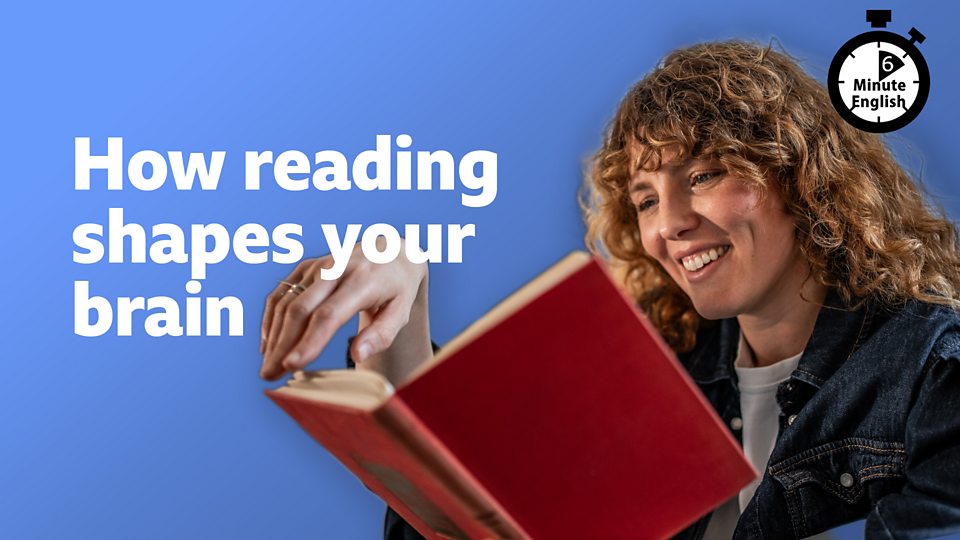
이 자료는 BBC 러닝잉글리시 코너의 6분영어가 매주 재공하는 스크립트를 직역한 것입니다. 이번 주 스크립트의 주제는 'How reading shapes your brain' 입니다.
해석은 철저하게 직역하였습니다. 관계사절 등의 절이나 긴 부정사, 동명사구, 삽입구 등은 이해를 위해 []를 사용해 묶었습니다. 이 글의 목적은 번역이 아니라 원문을 영어적으로 이해하는 것이기 때문입니다.
[본문] [01] Hello.
[직역] 안녕(하세요).
[본문] [02] Welcome to 6 Minute English from BBC Learning English.
[직역] BBC 학습영어의 6분 영어에 오신 것을 환영합니다.
[본문] [03] I'm Becca.
[직역] 나는 Becca입니다.
[본문] [04] And I'm Georgie.
[직역] 그리고 나는 죠지입니다.
[본문] [05] Remember, you can find all this episode's vocabulary along with a transcript and worksheet on our website, bbclearningenglish.com.
[직역] 기억하십시오 당신은 이 모든 에피소드의 어휘를 대본과 워크시트에 덧붙여 우리의 웹사이트인 bbclearningenglishcom에서 찾을 수 있습니다.
[본문] [06] Now, Becca, do you read a lot?
[직역] 이제, Becca 당신은 책을 많이 읽습니까?
[본문] [07] Hmm, I don't read often.
[직역] 흠! 나는 자주 책을 읽지는 않습니다.
[본문] [08] I just feel like I don't have the time, Georgie.
[직역] 죠지, 나는 단지 [내가 시간이 없다]는 느낌을 갖고 있습니다.
[본문] [09] How about yourself?
[직역] 당신 자신은 어떻습니까?
[본문] [10] I would love to read more, but I don't read very much at the moment.
[직역] 나는 보다 많이 책 읽기를 너무 좋아하고 했습니다. 그러나 나는 바로 지금은 매우 많이 읽지는 않습니다.
[본문] [11] I read mostly before bed because I feel like it helps me relax and go to sleep.
[직역] 나는 잠자기 전에 주로 책을 읽습니다. 왜냐하면 나는 [그것이 내가 휴식을 취하고 잠자러 가도록 돕는다] 라고 느끼기 때문입니다.
[본문] [12] And today we're talking all about reading.
[직역] 그리고 오늘 우리는 독서에 대한 모든 것을 말할 것입니다.
[본문] [13] We'll be hearing from some experts about how reading can change our brains, and as usual we'll be learning some useful new words and phrases.
[직역] 우리는 몇몇의 전문가에게서 [어떻게 독서가 우리의 뇌를 바꿀 수 있는지]에 대해 들을 것입니다. 그리고 늘 그렇듯이 우리는 몇몇의 도움이 되는 새로운 단어와 구를 배우고 있을 것입니다.
[본문] [14] Let's start with a quiz question.
[직역] 퀴즈 질문하면서 시작해 봅시다.
[본문] [15] The longest novel in the world is widely thought to be by French author Marcel Proust, a book which, when translated into English, means Remembrance of Things Past.
[직역] 세상에서 가장 긴 소설은 [(그것이) 영어로 번역될 때,] '잃어버린 시간을 찾아서' 라는 의미인 프랑스 작가 마르셀 프루스트에 의해 쓰인 책이라고 널리 생각되고 있습니다.
[본문] [16] But how many words does the book contain?
[직역] 그런데 얼마나 많은 낱말이 그 책에 들어 있습니까?
[본문] [17] Is it:
[직역] 이것입니다.
[본문] [18] a) 130,000, b) 1.3 million, or c) 13 million?
[직역] ⒜ 130,000, ⒝ 1.3 백만, 아니면 ⒞ 13 백만?
[본문] [19] OK.
[직역] 오케이.
[본문] [20] The longest novel in the world.
[직역] 이 세상에서 가장 긴 소설(입니다).
[본문] [21] I still think 13 million words sounds too many, so I'm going to go with b) 1.3 million.
[직역] 나는 여전히 [13 밀리온 개의 낱말은 너무 많은 것 같다] (라고) 생각합니다. 그래서 나는 13 밀리온 개를 받아들이려고 합니다.
[본문] [22] Alright.
[직역] 좋습니다.
[본문] [23] We'll find out at the end of the programme.
[직역] 우리는 프로그램의 끝 무렵에 알아낼 것입니다.
[본문] [24] Now, we might think of reading as like speaking.
[직역] 이제 우리는 말하기와 같은 것으로 생각할 수도 있습니다.
[본문] [25] We're born with the potential to do it and then we learn.
[직역] 우리는 그것을 할 수 있는 잠재성을 갖고 태어납니다. 그러고 나서 우리는 배웁니다.
[본문] [26] It's natural.
[직역] 그것은 자연스럽습니다.
[본문] [27] If something is natural, it's something you were born with or that comes from nature.
If something is natural, it's something {which/that} you were born with or that comes from nature.
[직역] 만약 무언가가 natural 하면 그것은 [당신이 타고났거나] 또는 [자연에서 나온] 무언가입니다.
[본문] [28] But Maryanne Wolf, author of the book Reader Come Home, says that this isn't true.
[직역] 그러나 'Reader Come Home'이라는 책의 저자인 Maryanne Wolf는 [이것은 사실이 아니다] 라는 것을 말합니다.
[본문] [29] We think of language as natural, and reading is written language so it must be natural.
[직역] 우리는 언어를 자연 발생적인 것으로 생각합니다. 그리고 독서는 글로 표현된 언어이고 그래서 그것은 자연 발생적이어야 합니다.
[본문] [30] But it isn't.
[직역] 그러나 그것은 아닙니다.
[본문] [31] It isn't natural at all.
[직역] 그것은 자연 발생적인 것이 전혀 아닙니다.
[본문] [32] Scientific studies suggest that when we're born, our brains already have the networks that allow our eyes to see and our vocal cords to produce sounds, but not with the pathways we need to read.
Scientific studies suggest that when we're born, our brains already have the networks that allow our eyes to see and our vocal cords to produce sounds, but {our brains are} not {born} with the pathways {which/that} we need to read.
[직역] 과학적 연구는 [우리가 태어났을 때 우리의 뇌는 이미 [우리의 눈이 보는 것과 우리의 성대(聲帶)가 소리를 만들어 내도록 허용하는] 신경망을 갖지만 그러나 (우리의 뇌는) [우리가 읽을 필요가 있는] 경로를 가지고 (태어난 것이) 아니다] 라는 것을 제안합니다.
[본문] [33] Let's hear more from psychologist and neuroscientist Rebecca Gotlieb, speaking to the BBC World Service.
[직역] 비비씨 월드 서비스에 말하는 심리학자이자 신경 과학자인 Rebecca Gotlieb에게서 좀더 들어 봅시다.
[본문] [34] From an evolutionary timescale, our brain hasn't had enough time to develop a dedicated reading brain.
[직역] 진화의 기간으로 볼 때 우리의 뇌는 전용의 읽기 뇌를 발전시킬 만한 충분한 시간을 갖지 못했습니다.
[본문] [35] And so, to build a reading brain network, we co-opt parts of the brain involved in vision and auditory processing, and language, and attention and affect.
[직역] 그리고 그래서 읽기 뇌 신경망을 만들어 내기 위해, 우리는 시력과 청각 처리 그리고 언어와 주의력과 감정에 관련된 뇌의 일부를 끌어들입니다.
[본문] [36] Reading is really a whole brain process.
[직역] 진짜로 전체적인 뇌 과정입니다.
[본문] [37] It involves activation in all four lobes of the cortex.
[직역] 그것은 네 겹의 모든 대뇌 피질 안의 활성화를 포함합니다.
[본문] [38] The process of developing a reading brain alters everything, from brain activity to brain structure and brain connectivity.
[직역] 뇌를 발전시키는 (것의) 과정은 모든 것 즉, 뇌 활동에서 뇌 구조 그리고 뇌 연결성을 바꿉니다.
[본문] [39] The power of deep reading is really fundamental to our humanity.
[직역] 깊이 있는 독서의 힘은 실제로 우리의 인간성에 핵심입니다.
[본문] [40] When we read deeply, we change our brains and we change who we are.
[직역] 우리가 깊이 읽으면 우리는 우리의 뇌를 바꿉니다 그리고 우리는 [우리가 누구인지]를 바꿉니다.
[본문] [41] Rebecca says that our brains haven't evolved to include a dedicated reading brain.
[직역] 레베카는 [우리의 뇌가 전용의 뇌를 포함하도록 진화해 오지 않았다] 라는 것을 말합니다.
[본문] [42] Dedicated here means designed and used for one particular purpose.
[직역] 여기에서 'dedicated'는 〈어느 한 특정한 목적을 위해 설계되고 사용되는〉 이라는 의미입니다.
[본문] [43] So, because we don't have a part of the brain designed specifically for reading, when we learn to read, we co-opt other parts of the brain.
[직역] 그래서 우리가 〈읽기를 위해 특별히 설계된〉 뇌의 부분을 갖고 있지 않기 때문에, 우리가 읽는 것을 배우려면, 우리는 뇌의 다른 부분을 끌어들입니다.
[본문] [44] Co-opt here means to include someone or something, often against their will.
[직역] 여기에서 'co-opt'는 〈종종 그들의 의지에 반하여 누군가 또는 무언가를 포함하다〉 라는 의미입니다.
[본문] [45] Right.
[직역] 알았어요.
[본문] [46] Learning to read means using lots of different parts of the brain that are designed for other things, and this changes our brain structure compared to someone who hasn't learned to read.
[직역] 읽기를 배우는 것은 〈[다른 기능을 위해 설계된] 뇌의 많은 다른 부분을 사용하는 것〉 이라는 의미입니다. 그리고 이것이 [읽기를 배운 적이 없는] 누군가와 비교하여 우리의 뇌 구조를 바꿉니다.
[본문] [47] And the language we read also shapes our brain.
And the language {which/that} we read also shapes our brain.
[직역] 그리고 [우리가 읽은] 언어도 또한 우리의 뇌를 형성합니다.
[본문] [48] Chinese characters, for example, use symbols instead of letters of the alphabet to represent words and ideas.
[직역] 예를 들어, 한자는 말과 생각을 표현하기 위해 알파벳 문자 대신에 심벌을 사용합니다.
[본문] [49] Research suggests that learning to read these symbols activates different areas of the brain to reading an alphabet-based system.
[직역] 연구는 [이들 심볼(을) 읽기를 배우는 것은 알파벳 기반의 언어 체계를 읽는 것에 대한 뇌와는 다른 (뇌의) 부분을 활성화시킨다] 라는 것을 제시합니다.
[본문] [50] Scientists studied a bilingual man who could read and speak Chinese and English.
[직역] 과학자들은 [중국어와 영어를 읽고 말할 수 있는] 두 언어 쓰는 사람들을 조사했습니다.
[본문] [51] The man suffered a stroke, which affected parts of his brain, including his ability to read Chinese.
[직역] 그 사람이 뇌졸중을 겪었습니다. 그런데 그것이 중국어를 읽을 수 있는 그의 능력을 포함하여 그의 뇌의 일부에 영향을 미쳤습니다.
[본문] [52] But amazingly, he was still able to read English.
[직역] 그렇지만 놀랍게도 그는 여전히 영어를 읽을 수 있었습니다.
[본문] [53] Maryanne Wolf explains more to the BBC World Service.
[직역] Maryanne Wolf는 비비씨 월드 서비스에 좀더 설명했습니다.
[본문] [54] It's a beautiful example of how the brain's circuit reflects the requirements of Chinese, which inevitably means more visual memory and visual processing of those beautifully intricate symbols or characters.
[직역] 그것은 [뇌의 회로가 중국어의 요구를 반영하는] 방식의 멋진 사례입니다. 그런데 그것은 예상한 대로 그러한 아름답게 복잡한 심벌이나 부호의 좀더 시각적인 기억과 시각적인 처리 과정이라는 의미입니다.
[본문] [55] Maryanne says that the brain's circuit is shaped by learning to read Chinese.
[직역] Maryanne은 [뇌의 회로가 중국어(를) 읽는 것을 배우는 것에 의해 형성된다] 라는 것을 말합니다.
[본문] [56] A circuit is a system of connections.
[직역] circuit란 연결 시스템입니다.
[본문] [57] The visual qualities of Chinese symbols inevitably mean more visual areas of the brain are developed.
[직역] 중국어 심벌의 시각적인 특성은 [뇌의 보다 더 시각적인 영역이 개발된다] (라는 것을) 필연적으로 뜻합니다.
[본문] [58] Inevitably means in a way that cannot be stopped or avoided.
[직역] Inevitably는 〈[멈추거나 피할 수 없는] 방식으로〉 라는 의미입니다.
[본문] [59] Maryanne describes the symbolic Chinese characters as beautifully intricate.
[직역] Maryanne은 심벌이 된 한자를 아름답게 복잡한 것처럼 서술합니다.
[본문] [60] If something is intricate, it has lots of detail.
[직역] 만약 무언가가 intricate 하면, 그것은 많은 디테일을 갖습니다.
[본문] [61] And something which also has lots of detail, or certainly lots of words - I asked you, Georgie, how many words are in Marcel Proust's Remembrance of Things Past.
And {there is} something which also has lots of detail, or certainly lots of words - I asked you, Georgie, how many words are in Marcel Proust's Remembrance of Things Past.
[직역] 그리고 또한 많은 디테일 또는 틀림없이 많은 말을 갖는 무언가가 (있습니다.) 죠지, 나는 당신에게 [마르셀 프루스트의 '잃어버린 시간을 찾아서'에 얼마나 많은 단어가 있는가]를 물었습니다.
[본문] [62] I said 1.3 million.
[직역] 나는 1.3 밀리온 개를 말했습니다.
[본문] [63] And you were correct!
[직역] 그런데 당신은 맞았습니다!
[본문] [64] Yay!
[직역] 예!
[본문] [65] The book also contains lots of very long sentences, including one with over 900 words.
[직역] 그 책은 또한 〈900개의 단어를 가진 것을 포함하여〉 매우 긴 많은 문장을 포함하고 있습니다.
[본문] [66] One sentence with 900 words?
[직역] 900개의 단어를 갖는 한 문장이라고요?
[본문] [67] That is a lot.
[직역] 그것은 많습니다.
[본문] [68] OK.
[직역] 오케이.
[본문] [69] It's time to recap the language we learned during this programme, starting with natural, which describes something you were born with or that comes from nature.
[직역] natural로 시작하면서, [우리가 이 프로그램 동안 배웠던] 표현의 개요를 말할 시간입니다. 그런데 그것은 [당신이 타고났거나] 아니면 [자연에서 나온] 무언가를 서술합니다.
[본문] [70] Dedicated can describe something that is designed and used for one particular purpose.
[직역] dedicated는 [어느 한 특정한 목적을 위해 설계되고 사용된] 무언가를 서술할 수 있습니다.
[본문] [71] If you co-opt someone or something, you involve them, sometimes against their will.
[직역] 만약 당신이 누군가 또는 무언가를 co-opt 하면, 당신은 그것들을 때때로 그들의 의지에 반하여 참여시킵니다.
[본문] [72] A circuit is a system of connections - for example, in the brain.
[직역] circuit는 예를 들어, 뇌 안에서의 관련성 체계입니다.
[본문] [73] Inevitably means in a way that cannot be stopped or avoided.
[직역] Inevitably는 〈멈추거나 또는 피할 수 없는 방식으로〉 라는 의미입니다.
[본문] [74] And intricate describes something which has lots of detail.
[직역] 그리고 intricate는 [수많은 디테일을 갖는] 무언가를 서술합니다.
[본문] [75] That's it for this episode of 6 Minute English.
[직역] 그것이 6분영어의 이번 에피소드의 전부입니다.
[본문] [76] Test what you've learnt with the worksheet on our website, bbclearningenglish.com.
[직역] 우리의 웹사이트인 bbclearningenglishcom에 있는 연습 문제지로 당신이 배운 것을 테스트해 보십시오.
[본문] [77] Thanks for joining us.
[직역] 함께해 주셔서 감사합니다.
[본문] [78] Goodbye!
[직역] 안녕히 가세요 !
[본문] [79] Do you remember what it was like before you learnt to read?
[직역] 당신은 [당신이 읽기를 배우기 전에] [그것이 무엇과 같은 지]를 기억합니까?
[본문] [80] It's hard to think back that far!
[직역] 그렇게 멀리 과거로 거슬러 생각하는 것은 힘듭니다!
[본문] [81] Scientific research has shown that learning to read changes the way our brains work.
[직역] 과학적인 연구는 [읽는 것을 배우는 것이 [우리의 뇌가 작동하는] 방식을 바꾼다] 라는 것을 보여 주었습니다.
[본문] [82] Not only that, but depending on the language you are reading, your brain changes in different ways.
[직역] 그것 뿐만 아니라 [당신이 읽고 있는] 언어에 따라서도 당신의 뇌는 다른 방식으로 바뀝니다.
[본문] [83] Becca and Georgie discuss this and teach you some new vocabulary.
[직역] Becca와 죠지가 이것을 논의하고 당신에게 몇몇 새로운 어휘를 가르쳐 줍니다.
pdf 파일은 이곳을 클릭하세요.
https://softca.tistory.com/3628을 클릭하세요.
이 블로그에는 [BBC 6분 영어와 관련하여 매주 다음과 같은 글들이 게시 됩니다
- 단어공부(금주 대본에 나온 주요 어휘) https://softca.tistory.com/3629
- 멀티단어공부(금주 대본에 사용된 멀티단어(구동사, 숙어) 간단 정리) https://softca.tistory.com/3630
- 독해공부(금주 대본의 문장별 해석(직역) 자료) 이 글입니다
- 문장별 문법공부(문장별 문법 설명) 이 글의 포스팅 시점에는 아직 작성되지 않았습니다.
- 금주의 어휘(금주 대본에 나온 금주의 어휘를 집중적으로 정리한 자료) 이 글의 포스팅 시점에는 아직 작성되지 않았습니다.
- 항목별 문법공부(금주 대본에 나온 문법을 주제별/항목별로 정리한 자료) 이 글의 포스팅 시점에는 아직 작성되지 않았습니다.
- 금주의 구동사(금주 대본에 사용된 구동사 상세 정리) 이 글의 포스팅 시점에는 아직 작성되지 않았습니다.
- 금주의 PDF(금주의 PDF 및 기타 다운로드 파일) https://softca.tistory.com/3628

아래의 이미지를 클릭하시면 PDF로 된 대본(Script)를 다운받을 수 있습니다.
[영어 문장 공부] 자료를 처음 보시는 분은 아래의 링크를 클릭하셔서 「공부법」을 먼저 보시기를 권장 드립니다.
[영어문장공부] 학습법 보기

'BBC 6분영어' 카테고리의 다른 글
| [BBC 영어] 6분영어, 금주의 어휘 - How reading shapes your brain (0) | 2026.05.20 |
|---|---|
| BBC 러닝잉글리시 문법강좌 How reading shapes your brain - BBC 6분영어 문법 (0) | 2026.05.19 |
| How reading shapes your brain 6분영어, BBC 러닝잉글리시 강좌 [영어숙어 및 구동사] (0) | 2026.05.18 |
| [BBC 러닝잉글리시 강좌] How reading shapes your brain - 6분영어 영어단어공부 (0) | 2026.05.18 |
| BBC 러닝잉글리시 다운로드 PDF 파일 목록 - 금주(2026-05-14) [6분영어] How reading shapes your brain (0) | 2026.05.17 |


