이번주 BBC 러닝잉글리시 - 6분영어가 다룬 문법 관련 이슈 는 관계대명사(7), 접속사(5), 문장부호(4), 전치사(3), 분사(2), 비교 구문(2), it(2), 관계부사(2) 등이였습니다. 그 외에 관계사절, 동사, 마디[節, clause], 문장형식, 문장형식: 4형식, 문장형식: 5형식, 법조동사, 종속접속사, 의문사, 전치사(명사)구 등이 각각 1 건씩 다루어졌습니다.

[본문] [04] 6-Minute-English listeners are truly global, coming from all over the world, including some of the coldest countries on Earth - places like Finland, where winter temperatures drop to -20°C.
[설명] ⑴ 『coming from ~』은 현재분사 글짜임으로 '6-Minute-English listeners'를 뒤에서 꾸며 줍니다. 분사 앞에 「주격관계대명사와 be 동사」가 생략되어 있다고 생각할 수 있습니다.
⑵ 『including some of ~』의 including은 현재분사에서 파생한 전치사입니다. 파생전치사 또는 분사형 전치사라고 합니다.
⑶ 대시(줄표)는 동격 관계를 나타냅니다. 「the coldest countries」와 「places ~」는 동격입니다. 대시가 '(관계)대명사+be동사'의 기능을 합니다.
⑷ 『where winter temperatures ~』의 where는 계속용법의 관계부사로 「접속사+부사」의 쓸모를 합니다. '그런데, 그 결과로' 따위의 뜻을 갖습니다.
[참조 링크]☞ 분사형전치사에 대하여
[참조 링크]☞ 분사의 확장: 분사형 명사, 분사형 부사, 분사형 전치사, 분사형 접속사
[본문] [08] Well, I'd rather be too hot and cool down than too cold and try to warm up.
[설명] 「would rather + 동사원형 [than 동사원형]」 구문입니다. '차라리 ~하고 싶다'의 뜻을 갖습니다.
[본문] [10] Here in the UK, it never gets as cold as Finland, but it's not unusual to see some people dressed in T-shirts while others are wrapped up in warm clothes.
[설명] ⑴ 「gets as cold ~」의 get은 2형식 글짜임을 만드는 연결동사입니다. '상태의 변화'를 나타내는 become 갈래의 이어주기를 합니다.
⑵ 「as cold as」는 「as 형용사 as」 글짜임으로 동등 비교(원급 비교) 글짜임입니다.
⑶ 『it's not unusual to see ~』는 to부정사(구)가 문장의 진짜·주어(眞주어)입니다. 형용사가 보어[補語, complement]일 때 대체로 이러한 글짜임을 갖습니다.
⑷ 접속사 while은 주절과 동시에 일어나는 동작이나 상황을 나타내 줍니다.
[참조 링크]☞ as 형용사 as 비교구문 / 두 as의 차이점
[본문] [12] That's what we'll be discussing in this episode, as well as learning some useful new words and phrases.
[설명] ⑴ 『what we'll be ~』는 what 관계대명사절로 절의 문장성분은 보어 입니다. what의 격은 목적격입니다.
⑵ 「as well as」는 'discussing ~'과 'learning some ~'을 이어주는 상관접속사입니다.
[본문] [13] And as always, you'll find all the vocabulary from this episode, plus a quiz and worksheet, on our website, bbclearningenglish.com.
[설명] 접속사 plus가 '더구나, …도 역시, 또한'의 뜻으로 'all the vocabulary'와 'a quiz and worksheet'를 이어주고 있습니다.
[본문] [22] Our experience of cold depends on many things, including our genes, culture and place of birth, but perhaps the most obvious thing is the clothes we wear.
Our experience of cold depends on many things, including our genes, culture and place of birth, but perhaps the most obvious thing is the clothes {which/that} we wear.
[설명] ⑴ 『including our genes ~』의 including은 현재분사에서 파생한 전치사입니다. 파생전치사 또는 분사형 전치사라고 합니다.
⑵ 선행(명)사 'the clothes' 뒤에 목적격 관계대명사 which 또는 that이 생략되어 있습니다.
[참조 링크]☞ 분사형전치사에 대하여
[참조 링크]☞ 분사의 확장: 분사형 명사, 분사형 부사, 분사형 전치사, 분사형 접속사
[본문] [24] Here, she advises presenter Caroline Steel on how to dress against the cold, for BBC World Service programme CrowdScience.
[설명] 『how to dress』는 《how+to부정사》 글짜임으로 명사구의 쓸모를 합니다. 전치사 on의 목적어입니다.
[본문] [28] Then it's of course what you're used to.
[설명] 『what you're used to』는 what 목적격 관계대명사절로 절의 문장성분은 보어입니다.
[본문] [34] There is some debate about whether men or women are more tolerant of the cold.
[설명] 「whether ~」 절은 명사절로 전치사 about의 목적어입니다.
[참조 링크]☞ whether 동격절
[본문] [36] Another important factor is whether you are used to the cold - if being in cold environments is something you're familiar with.
Another important factor is whether you are used to the cold - if being in cold environments is something {which/that} you're familiar with.
[설명] ⑴ 대시(줄표)는 동격 관계를 나타냅니다. whether 명사절과 if 명사절이 동격입니다.
⑵ 「whether ~」 절은 명사절입니다. 문장 성분은 보어[補語, complement]입니다.
⑶ 『if being in cold environments is』의 접속사 if가 이끄는 명사절이 문장에서 보어[補語, complement]의 노릇을 합니다.
⑷ 선행(명)사 soething 뒤에 목적격 관계대명사 which 또는 that이 생략되어 있습니다.
[참조 링크]☞ whether 동격절
[본문] [37] It might sound obvious that someone born in Arctic Svalbard would feel less cold than someone born in Brazil, but apart from environmental factors, are there actual physical differences that allow people to cope better with the cold?
[설명] ⑴ 이 월(=文章)은 that 명사절인 「that someone born ~」이 진짜주어인 「it 가짜주어」 글짜임입니다.
⑵ 『that allow people ~』의 that은 관계대명사입니다. 격은 주격이고, 선행(명)사는 'actual physical differences'입니다.
⑶ 『that allow people to ~ 』 관계대명사절 내부는 allow 5형식 글짜임입니다. 목적어는 that allow people to, 목적격 보어[補語, complement]는 to 부정사인 'to cope ~'입니다.
[참조 링크]☞ 5형식 구조: 주어 + 동사 + 목적어 + 목적격 보어
[참조 링크]☞ (영어) 5형식 문형에 대한 이애 (동사의 종류)
[본문] [38] Dr Cara Ocobock studies reindeer herders in northern Finland - people who live in cold temperatures every day and have done for centuries.
[설명] ⑴ 대시(줄표)는 동격 관계를 나타냅니다. 「reindeer herders」와 「people ~」은 동격입니다. 대시가 '(관계)대명사+be동사'의 기능을 합니다.
⑵ 『who live in cold ~』의 who는 한정용법 주격의 관계대명사입니다. 선행(명)사는 people 입니다.
[본문] [39] She measures their reaction to extreme cold and compares it to ordinary Finns from warmer parts of the country.
[설명] 『compares it to ordinary Finns』는 「compare A to B」 구문으로 'A를 B에게'의 뜻을 나타냅니다.
[본문] [43] Yes and No. The more data we collect within this area, the more confusing the picture gets.
[설명] 이 월(=文章)은 「the 비교급+S+V, the 비교급+S+V」 글짜임으로 「~하면 할수록 더욱 … 하다」의 뜻을 갖습니다.
[참조 링크]☞ 기초영어문법 68 'the 비교급 S V, the 비교급 S V' 구문 완전정복
[본문] [50] Subjectively means based on your personal inner experience rather than objective facts.
[설명] rather than은 낱말이나 절을 이어주는 접속사 일을 합니다. 여기서는 「your personal inner experience」와, 「objective facts」를 잇고 있습니다. 'rather than'은 절을 이어주지눈 못해서 반쪽 접속사 즉, 의사(擬似) 접속사라고 부릅니다.
[본문] [52] Reindeer herders are less likely to shiver - the shaky movement that cold muscles make to try and warm them up.
[설명] ⑴ 대시(줄표)는 덧붙여 밝힌 말을 나타냅니다. 대시 이후의 내용은 「to shiver」를 덧붙여 풀어 줍니다.
⑵ 『that cold muscles make ~』의 that은 관계대명사입니다. 격은 목적격이고, 선행(명)사는 'the shaky movement'입니다. 한정용법입니다.
[본문] [53] In fact, how we experience the cold is probably a combination of everything we've discussed, including genetic adaptations passed on from parents to children.
In fact, how we experience the cold is probably a combination of everything {which/that} we've discussed, including genetic adaptations passed on from parents to children.
[설명] ⑴ 『how we experience the cold』는 how 관계부사절로 명사절입니다. 문장성분이 주어입니다.
⑵ 선행(명)사 everything 뒤에 목적격 관계대명사 which 또는 that이 생략되어 있습니다.
⑶ 『including genetic adaptations ~』의 including은 분사에서 파생한 전치사입니다. 파생전치사 또는 분사형 전치사라고 합니다.
⑷ 『passed on ~』은 과거분사(구)로 'genetic adaptations'를 뒤에서 꾸며줍니다. 분사 앞에 '주격관계대명사와 be 동사'가 생략되어 있다고 생각할 수 있습니다.
[참조 링크]☞ 분사형전치사에 대하여
[참조 링크]☞ 분사의 확장: 분사형 명사, 분사형 부사, 분사형 전치사, 분사형 접속사
[본문] [55] Yes, I asked where the lowest temperature on Earth was ever recorded.
[설명] 이 월(=文章)은 동사 ask의 4형식 문장이지만, 간접 목적어가 생략되었습니다. 4형식 문장에서는 목적어 중 하나는 생략할 수 있습니다.
[본문] [63] The adverb subjectively means in a way that's based on your personal experience rather than objective facts.
[설명] 「in a way」는 '어느 정도는, 어떤 면에서는' 등의 뜻을 갖는 전치사명사구 관용구입니다. that은 'a way'를 선행(명)사로 하는 관계대명사로 구의 의미를 확장해 줍니다.
pdf 파일은 이곳을 클릭하세요.
https://softca.tistory.com/3562을 클릭하세요.
이 블로그에는 [BBC 6분 영어와 관련하여 매주 다음과 같은 글들이 게시 됩니다
- 단어공부(금주 대본에 나온 주요 어휘) https://softca.tistory.com/3563
- 멀티단어공부(금주 대본에 사용된 멀티단어(구동사, 숙어) 간단 정리) https://softca.tistory.com/3564
- 독해공부(금주 대본의 문장별 해석(직역) 자료) https://softca.tistory.com/3565
- 문장별 문법공부(문장별 문법 설명) 이 글입니다
- 금주의 어휘(금주 대본에 나온 금주의 어휘를 집중적으로 정리한 자료) 이 글의 포스팅 시점에는 아직 작성되지 않았습니다.
- 항목별 문법공부(금주 대본에 나온 문법을 주제별/항목별로 정리한 자료) 이 글의 포스팅 시점에는 아직 작성되지 않았습니다.
- 금주의 구동사(금주 대본에 사용된 구동사 상세 정리) 이 글의 포스팅 시점에는 아직 작성되지 않았습니다.
- 금주의 PDF(금주의 PDF 및 기타 다운로드 파일) https://softca.tistory.com/3562

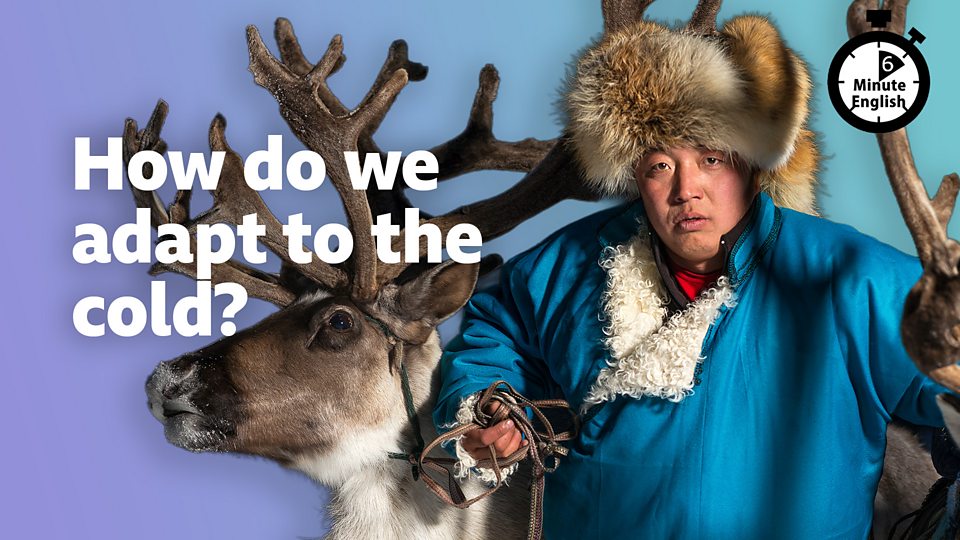
아래의 이미지를 클릭하시면 PDF로 된 대본(Script)를 다운받을 수 있습니다.
[영어 문장 공부] 자료를 처음 보시는 분은 아래의 링크를 클릭하셔서 「공부법」을 먼저 보시기를 권장 드립니다.
[영어문장공부] 학습법 보기

'BBC 6분영어' 카테고리의 다른 글
| How do we adapt to the cold? [BBC 6분 영어] BBC 러닝잉글리시 문법 강좌(항목별) (0) | 2026.03.25 |
|---|---|
| [BBC 영어] 6분영어, 금주의 어휘 - How do we adapt to the cold? (0) | 2026.03.25 |
| [BBC 6분영어 강좌 독해공부] How do we adapt to the cold? (0) | 2026.03.24 |
| How do we adapt to the cold? 6분영어, BBC 러닝잉글리시 강좌 [영어숙어 및 구동사] (0) | 2026.03.23 |
| [BBC 러닝잉글리시 강좌] How do we adapt to the cold? - 6분영어 영어단어공부 (0) | 2026.03.23 |


