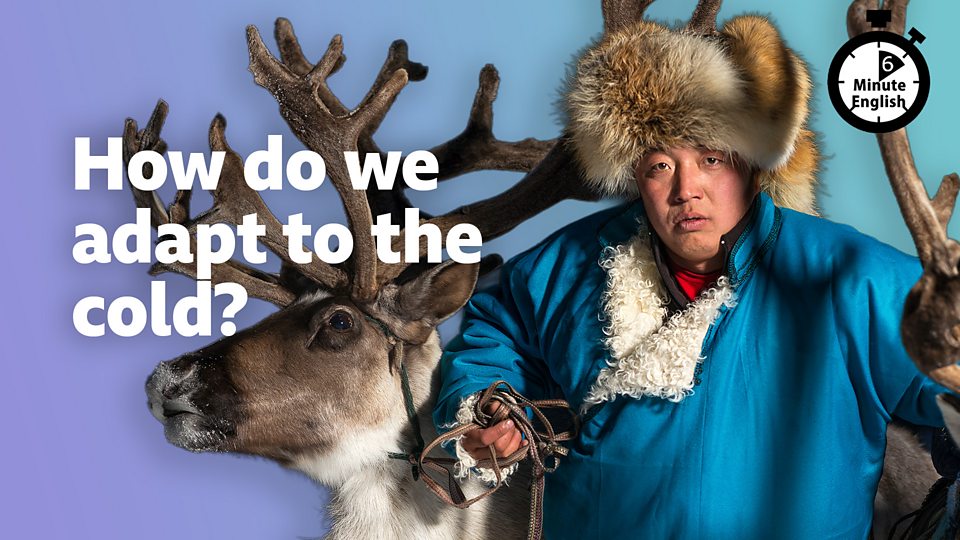
당신이 지금껏 있었던 가장 추운 곳은 어디입니까? 당신은 그 경험을 즐겼습니까? 몇몇의 사람들은 추위를 마음에 두는 것이 보이지 않습니다. 반면에 다른 사람들은 그것을 훨씬 더 많이 강하게 느끼고 그리고 그들 스스로 가능한 한 많은 겹에 걸쳐 입게 유지하는 것으로 보입니다. 그러나 왜 우리는 그것을 다른 방법으로 느낍니까? 필과 Becca는 이것을 논의하고 당신에게 몇몇 새로운 어휘를 가르쳐 줍니다.
Where is the coldest place you have ever been? Did you enjoy the experience? Some people don't seem to mind the cold, whereas other people seem to feel it much more strongly and keep themselves wrapped up in as many layers as possible. But why do we feel it in different ways? Phil and Becca discuss this and teach you some new vocabulary.
이 자료는 BBC 러닝잉글리시 코너의 6분영어가 매주 재공하는 스크립트를 직역한 것입니다. 이번 주 스크립트의 주제는 'How do we adapt to the cold?' 입니다.
해석은 철저하게 직역하였습니다. 관계사절 등의 절이나 긴 부정사, 동명사구, 삽입구 등은 이해를 위해 []를 사용해 묶었습니다. 이 글의 목적은 번역이 아니라 원문을 영어적으로 이해하는 것이기 때문입니다.
[본문] [01] Hello, this is 6 Minute English from BBC Learning English.
[직역] 안녕(하세요) 여기는 BBC 학습 영어의 6분 영어입니다 .
[본문] [02] I'm Phil.
[직역] 나는 필입니다.
[본문] [03] And I'm Becca.
[직역] 그리고 나는 Becca입니다.
[본문] [04] 6-Minute-English listeners are truly global, coming from all over the world, including some of the coldest countries on Earth - places like Finland, where winter temperatures drop to -20°C.
[직역] 〈전 세계에서 온〉 6분 영어 청취자들은 〈지구에 있는 몇몇의 가장 추운 나라들을 포함하여〉 정말로 세계적입니다. (즉, the coldest countries는) Finland와 같은 곳(입니다). 그런데 그곳에서 겨울 온도는 섭씨 20도까지 떨어집니다.
[본문] [05] Are you good at dealing with the cold, Phil?
[직역] 필 당신은 추위를 능숙하게 다룹니까?
[본문] [06] I'm not sure, but I do know that I don't like it.
[직역] 글쎄 잘 모르겠습니다. 그러나 나는 정말 [내가 그것을 좋아하지 않는다] 라는 것을 잘 압니다.
[본문] [07] What about you, Becca?
[직역] Becca 당신은 어떤가요?
[본문] [08] Well, I'd rather be too hot and cool down than too cold and try to warm up.
[직역] 글쎄요 나는 아주 추웠다가 열이 오르도록 애를 쓰는 것 보다 아주 더웠다가 서늘해지고 싶습니다.
[본문] [09] Yes, me too.
[직역] 맞아요 나도 그렇습니다.
[본문] [10] Here in the UK, it never gets as cold as Finland, but it's not unusual to see some people dressed in T-shirts while others are wrapped up in warm clothes.
[직역] 여기 영국에서, Finland 만큼 결코 춥지는 않습니다. 그러나 [[다른 사람들이 따스한 옷으로 걸쳐 입는 동안,] 몇몇의 사람들이 티 셔츠를 입는 것을 보는 것]은 특이하지 않습니다.
[본문] [11] Why do people feel the cold so differently?
[직역] 왜 사람들이 추위를 그렇게 다르게 느낍니까?
[본문] [12] That's what we'll be discussing in this episode, as well as learning some useful new words and phrases.
[직역] 그것이 [몇몇의 도움이 되는 새로운 단어와 구를 배우는 것에 더하여, 우리가 이 에피소드에서 논의하는 것]입니다.
[본문] [13] And as always, you'll find all the vocabulary from this episode, plus a quiz and worksheet, on our website, bbclearningenglish.com.
[직역] 그리고 늘 그렇듯이 당신은 우리의 웹사이트인 bclearningenglish com에서 이 에피소드에 나온 모든 어휘에 더하여 퀴즈와 워크시트를 찾을 수 있습니다.
[본문] [14] But now I have a question for you, Becca.
[직역] 그러나 Becca, 이제 나는 당신에게 질문이 있습니다.
[본문] [15] According to the Guinness Book of World Records, the lowest temperature ever recorded was a very cold -89°C... but where?
[직역] 세계 기록의 기네스북에 의하면 역대로 가장 낮은 온도는 아주 낮은 섭씨 89도를 기록했습니다. 그런데 어디일까요?
[본문] [16] Was it:
[직역] 이것이었습니다.
[본문] [17] a) the Arctic, b) Antarctica, or c) the top of Mount Everest?
[직역] ⒜ 북극, ⒝ 남극, 아니면 ⒞ 에베레스트 산 정상?
[본문] [18] Hmm.
[직역] 흠.
[본문] [19] I'm going to guess b) Antarctica.
[직역] 나는 남극 대륙이라고 추측하겠습니다.
[본문] [20] OK.
[직역] 오케이.
[본문] [21] Well, we'll find out the answer at the end of the programme.
[직역] 그래요 우리는 이 프로그램의 말미에서 답을 알아볼 것입니다.
[본문] [22] Our experience of cold depends on many things, including our genes, culture and place of birth, but perhaps the most obvious thing is the clothes we wear.
Our experience of cold depends on many things, including our genes, culture and place of birth, but perhaps the most obvious thing is the clothes {which/that} we wear.
[직역] 추위에 대한 우리의 경험은 우리의 유전자와 문화 그리고 태어난 곳을 포함하는 많은 환경에 달려 있습니다. 그러나 아마도 가장 분명한 것은 우리가 입는 옷입니다.
[본문] [23] Professor Gunhild Sætren lives on the icy island of Svalbard, 800 miles inside the Arctic Circle.
[직역] Gunhild Sætren 교수는 북극권 한계선 안의 800 마일에 있는 얼음에 뒤덮인 섬인 Svalbard에 살고 있습니다.
[본문] [24] Here, she advises presenter Caroline Steel on how to dress against the cold, for BBC World Service programme CrowdScience.
[직역] 여기에서 그녀는 추위에 대항하여 옷을 입는 방식에 대해 비비씨 월드 서비스 프로그램 클라우드사이언스의 진행자인 Caroline Steel에 조언합니다.
[본문] [25] So, what should we consider when choosing our clothes?
[직역] 그래서 우리의 옷을 고를 때에 우리는 무엇을 고려해야 합니까?
[본문] [26] First and foremost, I would say that perhaps the gender differs.
[직역] 다른 무엇보다도 더, 나는 [아마도 젠더가 다르다] 라는 것을 말하고자 합니다.
[본문] [27] So, males often are more tolerant, perhaps, than females.
[직역] 그래서 종종 남자들이 아마도 여성보다 좀더 잘 견딥니다.
[본문] [28] Then it's of course what you're used to.
[직역] 그 다음에 그것은 물론 [당신이 익숙한 것]입니다.
[본문] [29] Are you used to dealing with the cold?
[직역] 당신은 추위를 다루는 것에 익숙합니까?
[본문] [30] Are you not?
[직역] 당신은 아닙니까?
[본문] [31] Gunhild says that first and foremost, men and women feel the cold differently.
[직역] Gunhild은 [다른 무엇보다도 더 남자와 여자가 추위를 다르게 느낀다] 라는 것을 말합니다.
[본문] [32] She uses the phrase first and foremost to mean 'more than anything else'.
[직역] 그녀는 'first and foremost'라는 구를 'more than anything else' 라는 의미로 사용합니다.
[본문] [33] She wants to emphasise that something - in this case, someone's gender - is the most important thing to consider.
[직역] 그녀는 [무언가, 이번 경우에는 누군가의 젠더가 고려할 가장 중요한 것이다] 라는 것을 강조하고 싶습니다.
[본문] [34] There is some debate about whether men or women are more tolerant of the cold.
[직역] [남성 또는 여성이 좀더 추위에 관대한지 어떤 지]에 관한 약간의 논쟁이 있습니다.
[본문] [35] Being tolerant of something means being able to endure it without getting hurt.
[직역] 무언가에 대해 'tolerant' 한 것은 상처를 받지 않고 그것을 견딜 수 있는 것이라는 의미입니다.
[본문] [36] Another important factor is whether you are used to the cold - if being in cold environments is something you're familiar with.
Another important factor is whether you are used to the cold - if being in cold environments is something {which/that} you're familiar with.
[직역] 다른 중요한 요인은 [당신이 추위에 익숙한 지 어떤 지,] (즉,) [〈추운 환경에 있는 것〉이 당신이 친숙한 무언가인지]입니다.
[본문] [37] It might sound obvious that someone born in Arctic Svalbard would feel less cold than someone born in Brazil, but apart from environmental factors, are there actual physical differences that allow people to cope better with the cold?
[직역] [북극의 Svalbard에서 태어난 누군가가 브라질에서 태어난 누군가 보다 추위를 느낄 수 있다] 라는 것이 명백해 보일 수도 있습니다. 그러나 [환경적인 요인을 제외하고, 사람들이 추위를 더 잘 대처할 수 있게 허용하는] 실제적인 육체적 차이가 있습니까?
[본문] [38] Dr Cara Ocobock studies reindeer herders in northern Finland - people who live in cold temperatures every day and have done for centuries.
[직역] Cara Ocobock 박사는 북부 Finland에 사는 순록 치기를 조사했습니다. (즉, 그들은) 매일 추운 기온에서 거주하고 수 세기 동안 그래 왔던 사람들(입니다).
[본문] [39] She measures their reaction to extreme cold and compares it to ordinary Finns from warmer parts of the country.
[직역] 그녀는 극도의 추위에 대한 그들의 반응을 측정합니다. 그리고 그것을 나라의 좀더 따뜻한 지역 출신의 보통의 핀란드 사람과 비교합니다.
[본문] [40] Here, Cara shares her findings with Caroline Steel from BBC World Service's CrowdScience.
[직역] 여기에 그녀의 발견을 비비씨 월드 서비스의 클라우드사이언스의 Caroline Steel과 공유합니다.
[본문] [41] OK.
[직역] 오케이 .
[본문] [42] My guess is the reindeer herders deal better in the cold.
[직역] 나의 추론은 [순록 치기들이 추위에서 더 잘 대처한다] 라는 것입니다.
[본문] [43] Yes and No. The more data we collect within this area, the more confusing the picture gets.
[직역] 그렇기도 하고 그렇지 않기도 합니다. 이 지역 안에서 우리가 자료를 모으면 모을 수록 그림은 더욱 더 혼란스럽습니다.
[본문] [44] I can say that subjectively, at this point, the reindeer herders, at least kind of mentally, handle the cold far better.
[직역] 나는 주관적으로 이 지점에서 [순록 치기들은 적어도 어느 정도 정신적으로 추위를 훨씬 더 잘 다룬다] 라는 것을 말할 수 있습니다.
[본문] [45] They are far less likely to shiver.
[직역] 그들은 떨 가능성이 훨씬 덜합니다.
[본문] [46] So, do the reindeer herders deal better with the cold?
[직역] 그래서 순록 치기들은 추위를 더 잘 다룹니까?
[본문] [47] The answer is yes and no - a phrase meaning partly and partly not, used when there's no clear answer to a question.
[직역] 답은 'Yes and No'입니다. [질문에 확실한 답이 없을 때] 사용하는, 〈부분적으로 맞고 부분적으로 아니다〉 라는 의미인 구 (입니다).
[본문] [48] However, Cara does say subjectively, the herders manage better.
[직역] 하지만 Cara는 ['주관적으로' 순록 치기들이 더 잘 다룬다] (라고) 말합니다.
[본문] [49] They don't feel so cold.
[직역] 그들은 그렇게 춥다고 느끼지 않습니다.
[본문] [50] Subjectively means based on your personal inner experience rather than objective facts.
[직역] 'Subjectively(주관적으로)'는 객관적인 팩트 보다는 당신의 사적인 내적 경험에 근거하는 라는 의미입니다.
[본문] [51] And physically there are differences too.
[직역] 그리고 신체적으로 또한 차이가 있습니다.
[본문] [52] Reindeer herders are less likely to shiver - the shaky movement that cold muscles make to try and warm them up.
[직역] 순록 치기들은 떨 가능성이 보다 덜합니다. (즉, to shiver란) [차가워진 근육이 그것들을 따뜻하게 하도록 힘쓰게 만드는] 떨리는 움직임(입니다).
[본문] [53] In fact, how we experience the cold is probably a combination of everything we've discussed, including genetic adaptations passed on from parents to children.
In fact, how we experience the cold is probably a combination of everything {which/that} we've discussed, including genetic adaptations passed on from parents to children.
[직역] 사실 [우리가 추위를 경험하는 방식]은 아마도 부모에게서 아이들에게 넘겨준 유전적 적응을 포함하여 [우리가 상의해 온] 모든 것의 조합입니다.
[본문] [54] Right, I'm off to find my gloves and woolly hat, so why don't you reveal the answer to the question, Phil?
[직역] 알았어요, 나는 나의 장갑과 털이 뒤덮인 모자를 찾기 위해 잠깐 쉬겠습니다. 그래서 필, 질문에 대한 답을 밝히는 게 어떻습니까?
[본문] [55] Yes, I asked where the lowest temperature on Earth was ever recorded.
[직역] 맞아요, 나는 [지구에서 지금껏 기록된 가장 낮은 기온은 어디입니까] (라고) 물었습니다.
[본문] [56] You said b) Antarctica.
[직역] 당신은 ⒝ 남극대륙이라고 말했습니다.
[본문] [57] And that is... the right answer.
[직역] 그런데 그것은 맞는 답입니다.
[본문] [58] The lowest temperature ever recorded on Earth was at the Vostok Research Station in Antarctica in 1983.
[직역] 지구에서 지금껏 기록된 가장 낮은 온도는 남극 대륙의 Vostok 연구소입니다.
[본문] [59] Let's recap the vocabulary we've learned, starting with the phrase first and foremost, meaning more than anything else.
[직역] 'more than anything else' 라는 의미인 'first and foremost'라는 구로 시작하면서 우리가 배운 적이 있는 낱말들을 살펴봅시다.
[본문] [60] A person who is tolerant of something is able to endure it without being hurt.
[직역] [무언가에 'tolerant'한] 사람은 상처받지 않고 그것을 견딜 수 있습니다.
[본문] [61] If you're used to something, you're familiar with it.
[직역] 만약 당신이 무언가에 'used to' 하면 당신은 그것과 친숙합니다.
[본문] [62] The idiom yes and no means partly and partly not, and is used when you can't give a clear answer to a question.
[직역] 'Yes and No'라는 관용구는 'partly and partly not(부분적으로 맞는)'이라는 의미입니다. 그리고 (그것은) 당신이 어떤 언제 질문에 확실한 대답을 할 수 없을 때 사용됩니다.
[본문] [63] The adverb subjectively means in a way that's based on your personal experience rather than objective facts.
[직역] 'subjectively'라는 부사는 [객관적인 팩트 보다는 당신의 사적인 경험에 근거하여] 어떤 면에서는 라는 의미입니다.
[본문] [64] And finally, a shiver is the shaking movement made by your muscles when you feel cold or afraid.
[직역] 그리고 마지막으로 shiver는 [당신이 추위나 두려움을 느낄 때] 당신의 근육에 의해 만들어진 흔들기 움직임입니다.
[본문] [65] Once again, our six minutes are up, but remember you'll find a quiz and a worksheet for this episode on our website, bbclearningenglish.com.
[직역] 한 번 한 번 더 우리의 6분 영어가 끝났습니다. 그렇지만 기억해 주십시오. 당신은 이 에피소드에 관한 퀴즈와 워크시트를 우리의 웹사이트인 bbclearningenglish com에서 발견할 것입니다.
[본문] [66] See you there soon, but for now, it's goodbye.
[직역] 곧 다시 뵙겠습니다. 그러나 지금은 안녕입니다.
[본문] [67] Where is the coldest place you have ever been?
[직역] 당신이 지금껏 있었던 가장 추운 곳은 어디입니까?
[본문] [68] Did you enjoy the experience?
[직역] 당신은 그 경험을 즐겼습니까?
[본문] [69] Some people don't seem to mind the cold, whereas other people seem to feel it much more strongly and keep themselves wrapped up in as many layers as possible.
[직역] 몇몇의 사람들은 추위를 마음에 두는 것이 보이지 않습니다. 반면에 다른 사람들은 그것을 훨씬 더 많이 강하게 느끼고 그리고 그들 스스로 가능한 한 많은 겹에 걸쳐 입게 유지하는 것으로 보입니다.
[본문] [70] But why do we feel it in different ways?
[직역] 그러나 왜 우리는 그것을 다른 방법으로 느낍니까?
[본문] [71] Phil and Becca discuss this and teach you some new vocabulary.
[직역] 필과 Becca는 이것을 논의하고 당신에게 몇몇 새로운 어휘를 가르쳐 줍니다.
pdf 파일은 이곳을 클릭하세요.
https://softca.tistory.com/3562을 클릭하세요.
이 블로그에는 [BBC 6분 영어와 관련하여 매주 다음과 같은 글들이 게시 됩니다
- 단어공부(금주 대본에 나온 주요 어휘) https://softca.tistory.com/3563
- 멀티단어공부(금주 대본에 사용된 멀티단어(구동사, 숙어) 간단 정리) https://softca.tistory.com/3564
- 독해공부(금주 대본의 문장별 해석(직역) 자료) 이 글입니다
- 문장별 문법공부(문장별 문법 설명) 이 글의 포스팅 시점에는 아직 작성되지 않았습니다.
- 금주의 어휘(금주 대본에 나온 금주의 어휘를 집중적으로 정리한 자료) 이 글의 포스팅 시점에는 아직 작성되지 않았습니다.
- 항목별 문법공부(금주 대본에 나온 문법을 주제별/항목별로 정리한 자료) 이 글의 포스팅 시점에는 아직 작성되지 않았습니다.
- 금주의 구동사(금주 대본에 사용된 구동사 상세 정리) 이 글의 포스팅 시점에는 아직 작성되지 않았습니다.
- 금주의 PDF(금주의 PDF 및 기타 다운로드 파일) https://softca.tistory.com/3562

아래의 이미지를 클릭하시면 PDF로 된 대본(Script)를 다운받을 수 있습니다.
[영어 문장 공부] 자료를 처음 보시는 분은 아래의 링크를 클릭하셔서 「공부법」을 먼저 보시기를 권장 드립니다.
[영어문장공부] 학습법 보기

'BBC 6분영어' 카테고리의 다른 글
| [BBC 영어] 6분영어, 금주의 어휘 - How do we adapt to the cold? (0) | 2026.03.25 |
|---|---|
| BBC 러닝잉글리시 문법강좌 How do we adapt to the cold? - BBC 6분영어 문법 (0) | 2026.03.24 |
| How do we adapt to the cold? 6분영어, BBC 러닝잉글리시 강좌 [영어숙어 및 구동사] (0) | 2026.03.23 |
| [BBC 러닝잉글리시 강좌] How do we adapt to the cold? - 6분영어 영어단어공부 (0) | 2026.03.23 |
| [6분영어] How do we adapt to the cold? - 금주(2026-03-19) 의 BBC 러닝잉글리시 다운로드 PDF 파일 목록 (0) | 2026.03.23 |


