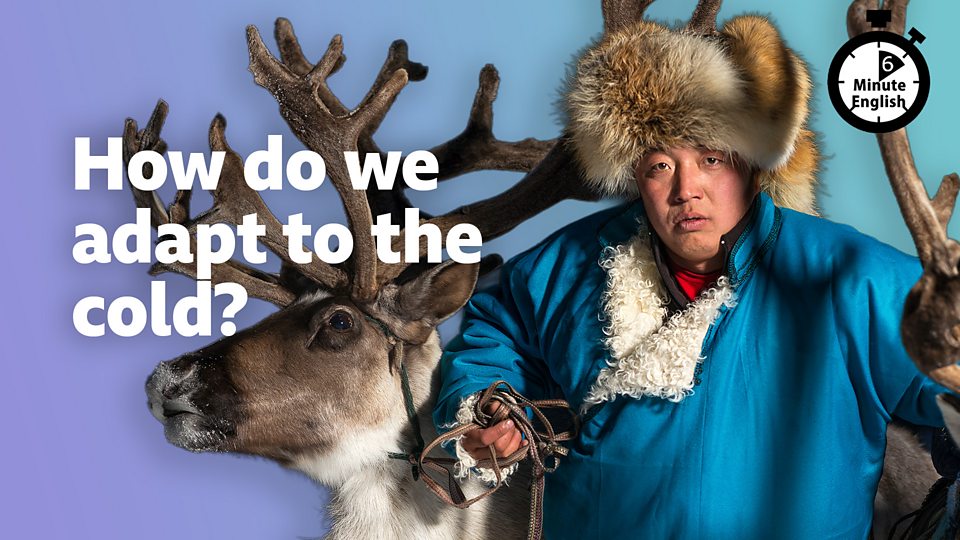
Where is the coldest place you have ever been? Did you enjoy the experience? Some people don't seem to mind the cold, whereas other people seem to feel it much more strongly and keep themselves wrapped up in as many layers as possible. But why do we feel it in different ways? Phil and Becca discuss this and teach you some new vocabulary.

당신이 지금껏 있었던 가장 추운 곳은 어디입니까? 당신은 그 경험을 즐겼습니까? 몇몇의 사람들은 추위를 마음에 두는 것이 보이지 않습니다. 반면에 다른 사람들은 그것을 훨씬 더 많이 강하게 느끼고 그리고 그들 스스로 가능한 한 많은 겹에 걸쳐 입게 유지하는 것으로 보입니다. 그러나 왜 우리는 그것을 다른 방법으로 느낍니까? 필과 Becca는 이것을 논의하고 당신에게 몇몇 새로운 어휘를 가르쳐 줍니다.
이것은 이번 주제의 주요 내용입니다. 영어 단어를 공부할 때 스토리와 함께 공부하면 크게 도움이 됩니다. 다음은 이번 주에 수록된 주요 단어 목록들입니다.
|
adaptation noun ☆[5047] from [씨앗말] adapt 《 apt(붙이다)
[본문] [53]In fact, how we experience the cold is probably a combination of everything we've discussed, including genetic adaptations passed on from parents to children.
[영한] ① 각색 ② 적응
[영영] An adaptation of a book or play is a film or a television programme that is based on it.
[굴절형] 복수형; adaptations
[유의어] modification
[구성단어] adapt + ation
[어근] ⑴ ad; 향하여, 첨가 ⑵ apt; 적당히, fit ⑶ ation(ion); 명사 어미
[어원] 《라틴어 adaptare》 ad+aptare; adjust, fit to
[파생] adapt, adaptability, adaptable, adaptableness, adaptation, adaptational, adaptationally, adaptive
[계열] attitude, adapt, adaptation, apt, aptitude, adaptable, apex, adaptability, adaptableness, adaptably, adaptational, adaptationally, adaptive, adept, aptitudinal
adverb noun ☆[4897] from [씨앗말] adverb(adverb) 《 verb
[본문] [63]The adverb subjectively means in a way that's based on your personal experience rather than objective facts.
[영한] 부사
[영영] a word that describes a verb, an adjective, another adverb, or a sentence and that is often used to show time, manner, place, or degree
[구성단어] ad + verb
[어근] ⑴ ad; 향하여, 첨가, to ⑵ verb; 단어, word, verb
[어원] 《라틴어 adverbium》 [ad+verbum] adverb, (literally) that which is added to a verb
[최초 의미] one of the indeclinable parts of speech, so called from being ordinarily joined to verbs for the purpose of limiting or extending their signification, but used also to qualify adjectives and other adverbs
[파생] adverbial, adverbially, adverb
[계열] adverb, verb, non-verbal, proverb, verbal, verbatim, nonverbal, verbally, adverbial, adverbially, reverberate, verbiage, verbify, verbosity
advise verb ★★★★[1962] from [씨앗말] advise 《 vide(보다)
[본문] [24]Here, she advises presenter Caroline Steel on how to dress against the cold, for BBC World Service programme CrowdScience.
[영한] ① 조언하다, 충고하다, 권고하다 ② 자문에 응하다, 고문이 되어 주다 ③ (정식으로) 알리다
[영영] If you advise someone to do something, you tell them what you think they should do.
[굴절형] advised, advised, advising, advises
[유의어] inform(알리다), warn(강력히 충고하다)
[어근] ⑴ ad; 향하여, 첨가, to ⑵ vise(vide); 보다
[어원] 《라틴어 valva》 보다, 주시하다, 구분하다
[최초 의미] to view, consider(obsolete); to give counsel to
[파생] advice, advise, advisory
[계열] visit, video, television, view, provide, evidence, survey, interview, review, advice, visitor, visual, advise, vision, invisible
Antarctica noun △[5525] from [씨앗말] antarctic 《 arctic(곰)
[본문] [17]a) the Arctic, b) Antarctica, or c) the top of Mount Everest?
[영한] 남극 대륙
[영영] a continent around the South Pole: consists of an ice-covered plateau, 1800--3000 m (6000 ft to 10 000 ft) above sea level, and mountain ranges rising to 4500 m (15 000 ft) with some volcanic peaks; average temperatures all below freezing and human settlement is confined to research stations. All political claims to the mainland are suspended under the Antarctic Treaty of 1959
[유의어] the Antarctic Continent(남극 대륙)
[어근] ⑴ ant(anti); 반대 ⑵ arct; 북극, 곰(bear) ⑶ ic; 형용사 어미 ⑷ a(ia); 명사 어미
[어원] 《그리스어 arktos》 bear; Ursa Major; the region of the north
[계열] arctic, Antarctica, antarctic, ArcticOcean, palearctic
arctic adj. ☆[4910] from [씨앗말] arctic(곰)
[본문] [17]a) the arctic, b) Antarctica, or c) the top of Mount Everest?
[영한] ① 북극의 ② 극도로 추운, 극한의
[영영] If you describe a place or the weather as arctic, you are emphasizing that it is extremely cold.
<명사> ① 북극 (지방), 북극해 ② 방한 방수용 오버슈즈
[어근] ⑴ arct; 북극, 곰, North Pole ⑵ ic; 형용사 어미
[어원] 《그리스어 arktos》 bear; Ursa Major; the region of the north
[파생] arctically, arctic
[계열] arctic, Antarctica, antarctic, ArcticOcean, palearctic
based adj. ★★★[2510] from [씨앗말] base(발걸음)
[본문] [50]Subjectively means based on your personal inner experience rather than objective facts.
[영한] (…에) 근거지[본사]를 둔
[영영] ① used to describe the base or basis of something
② often used in combination
[구성단어] base + ed
[어근] ⑴ bas; 걷다, 기초, step ⑵ ed; …을 가진
[어원] 《그리스어 basis》 발맞춤, 발걸음, 걷고 서는 것, 받침대
[계열] base, basic, basically, basis, based, baseball, database, basement, diabetes, bass, diabetic, baseless, acrobat, acrobatic, acrobatically
confuse verb ★★★★[2109] from [씨앗말] confuse(com+fundere) 《 fuse(붓다)
[본문] [43]Yes and No. The more data we collect within this area, the more confusing the picture gets.
[영한] ① (사람을) 혼란시키다 ② A와 B를 혼동하다 ③ (주제를) 혼란스럽게 만들다
[영영] If you confuse two things, you get them mixed up, so that you think one of them is the other one.
[굴절형] confused, confused, confusing, confuses
[유의어] mix up(혼동하다)
[어근] ⑴ con(com); together ⑵ fuse(fus); 붓다, 녹이다, pour
[어원] 《라틴어 confundere》 [com+fundere] to confuse, jumble together, bring into disorder; disconcert, perple
[최초 의미] mix or mingle things or ideas so as to render the elements indistinguishable
[파생] confusability, confusable, confusion, confuse
[계열] refuse, confuse, fund, confusion, refusal, confusing, confused, fusion, confound, refund, profuse, funnel, transfusion, profusion, confusability
cope verb ★★★[2462] from [씨앗말] cope
[본문] [37]It might sound obvious that someone born in Arctic Svalbard would feel less cold than someone born in Brazil, but apart from environmental factors, are there actual physical differences that allow people to cope better with the cold?
[영한] 대처[대응]하다
[영영] If you cope with a problem or task, you deal with it successfully.
[굴절형] coped, coped, coping, copes
[유의어] manage, manage(살아 나가다)
[어근] cope; 대처[대응]하다, cope
[어원] 《라틴어 colaphus》 [from Greek kolaphos] a cuff, box on the ear
[최초 의미] to quarrel
[계열] cope
differ verb ★★[3506] from [씨앗말] differ 《 fer(가져오다)
[본문] [26]First and foremost, I would say that perhaps the gender differs.
[영한] ① 다르다 ② 의견이 다르다, 동의하지 않다
[영영] If two or more things differ, they are unlike each other in some way.
[굴절형] differed, differed, differing, differs
[유의어] vary
[어근] ⑴ dif(dis); apart ⑵ fer; bring, carry
[어원] 《라틴어 ferre》 가져오다, 운반하다, 견디다[열매 맺다]
[최초 의미] be unlike, dissimilar, distinct, or various
[파생] differ, difference, different, differently, differentness, differentiate
[계열] different, difference, offer, refer, suffer, prefer, reference, differently, conference, transfer, preference, offering, suffering, differ, infer
differently adv. ★★★★[2071] from [씨앗말] differ 《 fer(가져오다)
[본문] [11]Why do people feel the cold so differently?
[영한] ① 다르게, 같지 않게 ② 따로, 별도로
[영영] ① in a way that is not the same as another or as before
② in a novel and unusual way
③ in varied ways; diversely
[어근] ⑴ dif(dis); apart ⑵ fer; bring, carry ⑶ ent(ant); 형용사어근 ⑷ ly; 부사어근
[어원] 《라틴어 ferre》 가져오다, 운반하다, 견디다[열매 맺다]
[파생] differ, difference, different, differently, differentness
[계열] different, difference, offer, refer, suffer, prefer, reference, differently, conference, transfer, preference, offering, suffering, differ, infer
emphasise verb ★★★[2458] from [씨앗말] empathy(en+pathos) 《 path-(고통받다)
[본문] [33]She wants to emphasise that something - in this case, someone's gender - is the most important thing to consider.
[영한] ① (중요성을) 강조하다 ② 두드러지게 하다, 강조하다 ③ 힘주어 말하다, 역설하다
[영영] To emphasize something means to indicate that it is particularly important or true, or to draw special attention to it.
[굴절형] emphasized, emphasized, emphasizing, emphasizes
[유의어] stress(강조하다)
[구성단어] emphasis + ise
[어근] ⑴ em(en); 안에, in, into ⑵ phas(phan); 보여주다, appearance, information ⑶ ise(ize); 동사 어미
[BRIT] 미국영어 ☞ emphasize
[어원] 《그리스어 empatheia》 en+pathos; passion, state of emotion
[파생] emphasis, emphasize, emphatic, emphasise
[계열] emphasis, phenomenon, fantasy, fantastic, emphasise, fancy, phase, emphasize, fan, pant, phenomenal, profane, fanatic, profanity, diaphanous
endure verb ★★[3715] from [씨앗말] endure 《 dure(힘든)
[본문] [35]Being tolerant of something means being able to endure it without getting hurt.
[영한] ① 견디다, 참다, 인내하다 ② 오래가다[지속되다]
[영영] If you endure a painful or difficult situation, you experience it and do not avoid it or give up, usually because you cannot.
[굴절형] endured endured enduring endures
[유의어] bear, last, hold down(견뎌 내다)
[어근] ⑴ en; in ⑵ dure; 계속, 힘든, hard
[어원] 《라틴어 durus》 힘든
[최초 의미] to undergo or suffer
[파생] endurable, endurably, endure
[계열] during, endure, duration, endurance, durable, dour, dura, durability, durain, dural, duramen, durance, durancy, durative, dure
foremost adj. △[10000+] from [씨앗말] foremost 《 fore(앞)
[본문] [26]First and foremost, I would say that perhaps the gender differs.
[영한] 가장 중요한[유명한], 맨 앞에 위치한
[영영] The foremost thing or person in a group is the most important or best.
<부사> 맨 먼저, 첫 번째로
[어근] ⑴ forem(fore); 최초의, first, former ⑵ ost(est); 최상급
[어원] 《고대 영어 fore》 [akin to forð, from fore] ⑵before, in the sight of, in the presence of; as far as; during, before; on account of, for the sake of; in place of, instead of
[계열] for, before, first, forward, former, therefore, afford, forever, affordable, forth, forecast, firstly, formerly, straightforward, forehead
gender noun ★★★★[1999] from [씨앗말] gender 《 gener(출산)
[본문] [26]First and foremost, I would say that perhaps the gender differs.
[영한] ① 성, 성별 ② (문법) (일부 언어에서) 성, 성 구분
[영영] A person's gender is the fact that they are male or female.
[굴절형] 복수형; genders
[유의어] sex(성별)
[어근] ⑴ gend(gener); 자식을 보다, beget ⑵ er; ~사람(명사어미)
[어원] 《라틴어 gignere》 출산하다, 아비가 되다, 생산하다
[최초 의미] kind, sort, class, a class or kind of persons or things sharing certain traits
[파생] genderless, gender
[계열] engine, gentle, general, generation, generally, generate, engineer, gender, engineering, generous, gently, indigenous, genuine, genre, gentleman
gene noun ★★★★[1992] from [씨앗말] gene(테어남)
[본문] [22]Our experience of cold depends on many things, including our genes, culture and place of birth, but perhaps the most obvious thing is the clothes we wear.
[영한] (생물) 유전자
[영영] A gene is the part of a cell in a living thing which controls its physical characteristics, growth, and development.
[굴절형] 복수형; genes
[어근] gene(gen); 탄생, 종족, birth
[어원] 《그리스어 genea》 테어남[생식(生殖), 출생, 발생], 인종[종족]
[파생] gene, genetic, genetically, genetics
[계열] gene, oxygen, genetic, hydrogen, gen, genetics, genetically, nitrogen, oestrogen, genocide, endogenous, genealogy, pathogen, genome, allergen
genetic adj. △[3445]
[본문] [53]In fact, how we experience the cold is probably a combination of everything we've discussed, including genetic adaptations passed on from parents to children.
[영한] 유전의, 유전학의
[영영] You use genetic to describe something that is concerned with genetics or with genes.
[어근] ⑴ gen; 생기다 ⑵ etic; 형용사 어미
[어원] 《그리스어 genea》 테어남[생식(生殖), 출생, 발생], 인종[종족]
[최초 의미] pertaining to origins,
[파생] gene, genetic, genetically, genetics
[계열] gene, oxygen, genetic, hydrogen, gen, genetics, genetically, nitrogen, oestrogen, genocide, endogenous, genealogy, pathogen, genome, allergen
herder noun[10000+] from [씨앗말] herd
[본문] [38]Dr Cara Ocobock studies reindeer herders in northern Finland - people who live in cold temperatures every day and have done for centuries.
[영한] 양치기, 목부
[굴절형] 복수형; herders
[구성단어] herd + er
[어근] ⑴ herd; 떼, herd ⑵ er; 접미어
[어원] 《고대 영어 heord》 herd, flock, company of domestic animals; (rarely) a keeping, care, custody
[계열] herd, herder
idiom noun ★★[4103] from [씨앗말] idiom
[본문] [62]The idiom yes and no means partly and partly not, and is used when you can't give a clear answer to a question.
[영한] ① 관용구, 숙어 ② (특정 시기/지역에서 특정인들이 쓰는) 언어[어법] ③ (특정 개인/단체/시대/지역의) 표현 양식
[영영] A particular idiom is a particular style of something such as music, dance, or architecture.
[굴절형] 복수형; idioms
[어근] ⑴ idi; 자신의, 기이한, own ⑵ om(oma); 종(腫), 류(瘤)
[어원] 《그리스어 idios》 개인적인, 사적인, 자신의, 독특한(고유의)
[최초 의미] form of speech peculiar to a people or place
[파생] idiomatic, idiomatical, idiomatically, idiomaticalness, idiom
[계열] idiom, idiot, idiomatic, idiolect, idiomatical, idiomatically, idiomaticalness, idiopathic, idiopathy, idiophone, idiosyncrasy, idiosyncratic, idiotic, idiotically
inner adj. ★★★★[1843] from [씨앗말] inner(in) 《 in(안에)
[본문] [50]Subjectively means based on your personal inner experience rather than objective facts.
[영한] ① 내부[안쪽]의, 중심부 가까이의 ② (감정 등이) 내밀한, 내면의
[영영] The inner parts of something are the parts which are contained or are enclosed inside the other parts, and which are closest to the centre.
[유의어] Internal(내면이다)
[반의어] outer
<명사> ① 과녁의 내권 ② 내권 명중(탄)
[어근] ⑴ in; 안(內), in, on ⑵ n; 연결 글자 ⑶ er; 형용사 어미
[어원] 《고대 영어 inne》 안에, 내부에, 이내에
[파생] innerly, innerness, inner
listener noun ★★★★[2224] from [씨앗말] listen(to listen)
[본문] [4]6-Minute-English listeners are truly global, coming from all over the world, including some of the coldest countries on Earth - places like Finland, where winter temperatures drop to -20°C.
[영한] ① 듣는 사람, 청자 ② (라디오) 청취자
[영영] A listener is a person who listens to the radio or to a particular radio programme.
[굴절형] 복수형; listeners
[구성단어] listen + er
[어근] ⑴ listen; 듣다, listen ⑵ er; ~하는 사람(명사어미)
[어원] 《고대 영어 hlysnan》 [from Proto-Germanic *hlusinon] to listen, hear; attend to, obey, pay attention to
[파생] listener, listen
[계열] listen, listener
mentally adv. ★★★[3163] from [씨앗말] mental(마음) 《 ment(마음)
[본문] [44]I can say that subjectively, at this point, the reindeer herders, at least kind of mentally, handle the cold far better.
[영한] 정신적으로, 마음속으로
[영영] mental + ly
[구성단어] mental + ly
[어근] ⑴ ment; mind ⑵ al; ~의(형용사어미) ⑶ ly; 부사어미
[어원] 《라틴어 mens》 마음
[파생] mentality, mentally, mental
[계열] mention, mental, comment, mentally, mentality, commentator, reminiscent, reminiscence, dementia, commentary, commentable, commentarial, commentate, commentative, commenter
mile noun ★★★[2576] from [씨앗말] mile(천[1,000])
[본문] [23]Professor Gunhild Sætren lives on the icy island of Svalbard, 800 miles inside the Arctic Circle.
[영한] ① 마일 ② 수마일 ③ 대단히 많이, 훨씬 ④ 1마일 경주
[영영] A mile is a unit of distance equal to 1760 yards or approximately 1.6 kilometres.
[굴절형] 복수형; miles
[어근] mile(mill); thousand
[어원] 《라틴어 mille》 천[1,000]
[계열] million, billion, mile, trillion, millennials, millennial, millennium, milestone, billionaire, billionth, millennialist, millennially, milli, millionth, trillionth
mount noun ★★★[3378] from [씨앗말] mount(산)
[본문] [17]a) the Arctic, b) Antarctica, or c) the top of mount Everest?
[영한] ① (약어:Mt) Mount [현대 영어에서는 장소명에만 쓰임] 산 ② (격식 또는 문예체) (사람이 타는) 말 ③ (전시품을 세우거나 붙이는) 판 ④ (물건을 세우거나 받치는 데 쓰는) 대, (사진 등의) 대지
[영영] Mount is used as part of the name of a mountain.
<동사> ① (…을 조직하여) 시작하다 ② (서서히) 증가하다 ③ 올라가다
[어근] mount(mont); 오르다, 산, mountain
[어원] 《라틴어 mons》 산
[파생] mountable, mounter, mount
[계열] mountain, amount, mount, montage, dismount, insurmountable, mountainous, Belmont, cismontane, intermontane, montan, Montana, montane, montant, monticello
partly adv. ★★★★[1967] from [씨앗말] part(나누다)
[본문] [47]The answer is yes and no - a phrase meaning partly and partly not, used when there's no clear answer to a question.
[영한] 부분적으로, 어느 정도
[영영] You use partly to indicate that something happens or exists to some extent, but not completely.
[구성단어] part + ly
[어근] ⑴ part; 나누다 ⑵ ly; 부사/형용사 어미
[어원] 《라틴어 partiri》 나누다, 갈라 놓다, 나누어 주다, 나뉘다
[파생] part, partial, partly
[계열] party, apartment, part, particular, particularly, partner, apart, partly, department, partnership, departure, particle, depart, partial, partially
physically adv. ★★★[2478] from [씨앗말] physic(자연의)
[본문] [51]And physically there are differences too.
[영한] ① 신체[육체]적으로 ② 자연 법칙에 따라, 물리적으로
[영영] physic + al + ly
[어근] ⑴ physic(physi); 자연, 물리, nature ⑵ ally(ly); 부사 어미
[어원] 《그리스어 physikos》 자연의
[파생] physical, physically, physicalness, physics
[계열] physical, physically, physics, physician, physiology, physic, physiological, physiologically, astrophysicist, physiologist, physiognomy, astrophysics, metaphysics, astrophysical, astrophysicsist
presenter noun △[5426] from [씨앗말] present 《 pres(앞에 있다)
[본문] [24]Here, she advises presenter Caroline Steel on how to dress against the cold, for BBC World Service programme CrowdScience.
[영한] ① (라디오/텔레비전 프로 각 부분의) 진행자[사회자] ② (특정 주제에 대한) 발표자 ③ (시상식에서) 시상하는 사람
[영영] A radio or television presenter is a person who introduces the items in a particular programme. (in AM, usually use host, anchor)
[굴절형] 복수형; presenters
[구성단어] present + er
[어근] ⑴ present(pres); 앞에 있다, be before ⑵ er; ~하는 사람(명사어미)
[어원] 《라틴어 present》
[최초 의미] one who presents
[계열] present, represent, presence, representation, representative, presentation, presenter, co-presenter, presently, presentable, presenteeism, pres, presentational, presentee, presentment
quiz noun ★★[4101] from [씨앗말] quiz(넌 누구니?)
[본문] [13]And as always, you'll find all the vocabulary from this episode, plus a quiz and worksheet, on our website, bbclearningenglish.com.
[영한] ① 퀴즈 ② (학생들에게 하는 비공식적인간단한) 시험[테스트]
[영영] A quiz is a game or competition in which someone tests your knowledge by asking you questions.
[굴절형] 복수형; quizzes
<동사> ① (많은) 질문을 하다, 심문하다 ② (학생들에게 비공식적으로간단히) 시험을 치다[테스트를 하다]
[어근] quiz; quiz
[어원] 《라틴어 qui es》 넌 누구니?
[파생] quizzable, quizzer, quiz
[계열] quiz
shaking noun △[7505] from [씨앗말] shake
[본문] [64]And finally, a shiver is the shaking movement made by your muscles when you feel cold or afraid.
[영한] 흔들기, 흔들림, 동요, 떨림
[영영] shake + ing
<형용사> 흔들리는, 떠는
[구성단어] shake + ing
[어근] ⑴ shak(shake); 흔들리다, shake ⑵ ing; ~하는 것(의)
[어원] 《의사 게르만말 skakanan》
[계열] shake, shaking, milkshake
shiver verb △[10000+] from [씨앗말] shiver
[본문] [45]They are far less likely to shiver.
[영한] (사람이) (추위두려움흥분 등으로 가볍게) (몸을) 떨다
[영영] When you shiver, your body shakes slightly because you are cold or frightened.
[굴절형] shivered, shivered, shivering, shivers
[유의어] grue
<명사> ① (추위두려움흥분 등으로 인한) 전율 ② 몸서리, 오싹(한 느낌), 오한
[어근] shiver; 떨다, shiver
[어원] 《중세 영어 chiveren》 [from Old English ceafl("jaw")+bifian("to shake, tremble")] to shiver
[최초 의미] to tremble or quiver, shake suddenly,
[파생] shiverer, shivering, shivery, shiver
[계열] shivering, shiver, shiverer, shivery
shiver noun △[10000+] from [씨앗말] shiver
[본문] [64]And finally, a shiver is the shaking movement made by your muscles when you feel cold or afraid.
[영한] ① (추위두려움흥분 등으로 인한) 전율 ② 몸서리, 오싹(한 느낌), 오한
[영영] a small shaking movement caused by cold or strong emotion
[유의어] tremor, tremble, twitch, spasm, shudder
<동사> (사람이) (추위두려움흥분 등으로 가볍게) (몸을) 떨다
[어근] shiver; 떨다, shiver
[어원] 《중세 영어 chiveren》 [from Old English ceafl("jaw")+bifian("to shake, tremble")] to shiver
[파생] shiverer, shivering, shivery, shiver
[계열] shivering, shiver, shiverer, shivery
steel noun △[2928] from [씨앗말] steel
[본문] [24]Here, she advises presenter Caroline steel on how to dress against the cold, for BBC World Service programme CrowdScience.
[영한] ① 강철, 강(鋼) ② 철강업 ③ (옛글투 또는 문예체) 총칼, 무기, 무력
[영영] Steel is a very strong metal which is made mainly from iron. Steel is used for making many things, for example bridges, buildings, vehicles, and cutlery.
[굴절형] 복수형; steels
<동사> ① (~에 대비해서) 마음을 단단히 먹다 ② …에 강철을 입히다, 강철로 …의 날을 만들다. ③ 강철같이 굳게 하다. <형용사> 강철로 된, 강철 같은, 단단한, 무감각한, 불굴의, 강인한
[어근] steel; 철[쇠], steel
[어원] 《고대 영어 style》 [from noun use of Proto-Germanic adjective *stakhlijan("made of steel")] steel
[파생] steeliness, steelless, steellike, steely, steel
[계열] steel, steeliness, steelless, steellike, steely
strongly adv. ★★★★[1866] from [씨앗말] strong(몸이 센[강력한])
[본문] [69]Some people don't seem to mind the cold, whereas other people seem to feel it much more strongly and keep themselves wrapped up in as many layers as possible.
[영한] ① 튼튼하게 ② 강하게, 강경히 ③ 맹렬히, 열심히
[영영] strong + ly
[구성단어] strong + ly
[어근] ⑴ strong; strong, 강한 ⑵ ly; 부사 어미
[어원] 《고대 영어 strang》 몸이 센[강력한], 효과가 센; 우격다짐의, 가혹한, 단단한, 용감한; 지속적인, 단호한, 몹시 힘든, 폭력적인
[파생] strength, strong, strong·ness, strongish, strongly, strongness
[계열] strong, strength, strongly, strengthen, strengthener
subjectively adv.[10000+] from [씨앗말] subject 《 ject(던지다)
[본문] [44]I can say that subjectively, at this point, the reindeer herders, at least kind of mentally, handle the cold far better.
[영한] 주관적으로, 개인적으로.
[영영] subjective + ly
[구성단어] subjective + ly
[어근] ⑴ sub; 아래(밑), below ⑵ ject; 던지다, throw ⑶ ive; 형용사 어미 ⑷ ly; 부사 어미
[어원] 《라틴어 subiicere》 [=subicere]
[파생] subjective, subjectively, subjectiveness, subjectivity, subject
[계열] subject, project, object, objective, reject, jet, rejection, objection, adjective, inject, projection, injection, adjacent, subjective, objectification
tolerant adj. ☆[6063] from [씨앗말] tolerant(참다) 《 toler(참다)
[본문] [27]So, males often are more tolerant, perhaps, than females.
[영한] ① 관대한, 아량 있는 ② (식물/동물/기계가) 내성이 있는, 잘 견디는
[영영] ① willing to accept feelings, habits, or beliefs that are different from your own
② ften + of
③ able to allow or accept something that is harmful, unpleasant, etc.
[반의어] intolerant
[어근] ⑴ toler; 참다, tolerate ⑵ ant; …인, …한, …하는 사람[것]
[어원] 《라틴어 tolerare》 참다, 지속시키다, 견디다
[최초 의미] free from bigotry or severity in judging others
[파생] tolerance, tolerant, tolerantly, toleration, tolerative, tolerator, tolerate
[계열] tolerate, tolerance, tolerant, intolerant, intolerance, extol, intolerable, toler, tolerable, tolerantly, toleration, tolerative, tolerator
truly adv. ★★★★[2306] from [씨앗말] true(정직한)
[본문] [4]6-Minute-English listeners are truly global, coming from all over the world, including some of the coldest countries on Earth - places like Finland, where winter temperatures drop to -20°C.
[영한] ① 정말로, 진심으로 ② 진정으로 ③ 엄밀히, 정확히
[영영] ① in an honest manner; sincerely
② in truth; actually or really
③ without question or doubt
[구성단어] true + ly
[어근] ⑴ tru(true); 참[진실], true ⑵ ly; 부사/형용사 어미
[어원] 《고대 영어 triewe》 정직한, 충실한, 신뢰할 수 있는, 약속이나 친구를 꾸준히 지키는
[파생] true, trueness, truly, truth
[계열] true, truth, trust, truly, trustworthy, mistrust, truce, truthful, trustee, trustworthiness, untrue, truism, distrust, truthfully, untrustworthy
vocabulary noun ★★★[2936] from [씨앗말] vocabulary(단어[낱말]) 《 voc(부르다)
[본문] [13]And as always, you'll find all the vocabulary from this episode, plus a quiz and worksheet, on our website, bbclearningenglish.com.
[영한] ① (개인이 아는/사용하는) 어휘 ② (특정 언어의 모든) 어휘 ③ (특정 주제에 관련된) 용어 ④ 어휘 목록(특히 외국어 학습 교재 속에 의미와 함께 제시된 것)
[영영] Your vocabulary is the total number of words you know in a particular language.
[굴절형] 복수형; vocabularies
[유의어] words and phrases
[어근] ⑴ vocabul(voc); 소리, voice ⑵ ary; 부속의
[어원] 《라틴어 vocabulum》 단어[낱말], 이름, 명사
[최초 의미] list of words with explanations
[파생] vocabularied, vocabulary
[계열] voice, advocate, vocal, vocabulary, provoke, invoke, evoke, evocative, equivocal, provocative, voiceless, vocation, vocational, advocacy, advocation
website noun ★★★[2484] from [씨앗말] website(웹사이트) 《 site(장소)
[본문] [13]And as always, you'll find all the vocabulary from this episode, plus a quiz and worksheet, on our website, bbclearningenglish.com.
[영한] 웹사이트(기업/단체/개인이 정보를 올릴 수 있는 홈페이지)
[영영] A website is a set of data and information about a particular subject which is available on the Internet.
[굴절형] 복수형; websites
[구성단어] web + site
[어근] ⑴ web; 거미줄, web ⑵ site; 위치, 직위, place, position
[어원] 《영어 website》 웹사이트
[계열] situation, site, website, bombsite, campsite, situate, situational
woolly adj. ☆[5024] from [씨앗말] wool
[본문] [54]Right, I'm off to find my gloves and woolly hat, so why don't you reveal the answer to the question, Phil?
[영한] ① 털이 뒤덮인, 털북숭이의 ② 털실로 만든[짠], 양모 같은 ③ (사람들이나 그들의 생각이) 분명하지 않은
[영영] Something that is woolly is made of wool or looks like wool.
[굴절형] 비교; woolly < woollier < woolliest
[유의어] woollen, confused, woollen, confused
<명사> ① (구식이 되어감) (특히 뜨개질한) 모직 옷 ② (호주 영어, 뉴질랜드 영어) 양
[어근] ⑴ wooll(wool); 양모, wool ⑵ y; 명사 어미
[어원] 《고대 영어 wull》 wool, fine soft hair which forms the coat of some animals
[최초 의미] resembling or made of wool,
[파생] wool, woolen, woollen, woollily, woolliness, woolly
[계열] wool, woolly, woollen
worksheet noun △[5441] from [씨앗말] worksheet 《 sheet(옷 길이)
[본문] [13]And as always, you'll find all the vocabulary from this episode, plus a quiz and worksheet, on our website, bbclearningenglish.com.
[영한] ① (학습용) 연습 문제지[평가지] ② 작업 계획표[진행표] ③ 워크시트
[굴절형] 복수형; worksheets
[구성단어] work + sheet
[어근] ⑴ work; 일하다, work ⑵ sheet; sheet
[어원] 《고대 영어 sciete》 옷 길이, 덮기, 내프킨, 수건, 감추는 것
[계열] sheet, worksheet
이 블로그에는 [BBC 6분 영어와 관련하여 매주 다음과 같은 글들이 게시 됩니다
- 단어공부(금주 대본에 나온 주요 어휘) 이 글입니다
- 멀티단어공부(금주 대본에 사용된 멀티단어(구동사, 숙어) 간단 정리) 이 글의 포스팅 시점에는 아직 작성되지 않았습니다.
- 독해공부(금주 대본의 문장별 해석(직역) 자료) 이 글의 포스팅 시점에는 아직 작성되지 않았습니다.
- 문장별 문법공부(문장별 문법 설명) 이 글의 포스팅 시점에는 아직 작성되지 않았습니다.
- 금주의 어휘(금주 대본에 나온 금주의 어휘를 집중적으로 정리한 자료) 이 글의 포스팅 시점에는 아직 작성되지 않았습니다.
- 항목별 문법공부(금주 대본에 나온 문법을 주제별/항목별로 정리한 자료) 이 글의 포스팅 시점에는 아직 작성되지 않았습니다.
- 금주의 구동사(금주 대본에 사용된 구동사 상세 정리) 이 글의 포스팅 시점에는 아직 작성되지 않았습니다.
- 금주의 PDF(금주의 PDF 및 기타 다운로드 파일) https://softca.tistory.com/3562
금주의 PDF 파일은 이곳을 클릭하세요.

새내기할배 6분영어의 [영어단어공부]자료를 처음 보시는 분은 <다음> 링크를 클릭하셔서 BBC 러닝잉글리시 6분영어 [공부법]을 먼저 보시기 바랍니다
https://softca.tistory.com/4?category=827780
본 글은 Word Frequency 기준 1800순위 이하를 제외한 단어만을 수록하고 있습니다.
본 자료는 PDF 파일로 다운 받을 수 있습니다.
새내기할배 6분영어 블로그가 제안하는 영어단어 암기법은 기본적으로 문장을 통해 암기하는 것입니다. 그래서 설명하는 모든 단어마다 본문도 함께 제시됩니다. 그러나 새로 나온다고 해서 모든 단어를 무한정 암기할 수는 없습니다. 그래서 암기해야 해야 할 단어와 이해만 하고 넘어갈 단어를 구분하는 지혜가 필요합니다.
6분영어는 BBC 러닝잉글리시 사이트에서 매주 출간하는 무료 영어 교육 콘텐츠이며 오디오 파일과 대본(Script) 파일을 제공합니다.