이번주 BBC 러닝잉글리시 - 6분영어가 다룬 문법 관련 이슈 는 관계대명사(7), 분사(5), that(3), 법조동사(3), 부정사(2), 동사: 시제·모습(tense-aspect)(2), 마디[節, clause](2), 동명사(2), 전치사(2) 등이였습니다. 그 외에 전치사 글짜임, 조동사, it, 비교 구문, 동사: 글짜임 및 쓰임새, 관계부사, 구문(構文) [글짜임], 문장형식: 4형식 등이 각각 1 건씩 다루어졌습니다.
[본문] [04] Have you ever done something physically challenging, Phil, like running a marathon maybe, or climbing a mountain?
[설명] 『Have you ever done ~』은 현재완료 시제 글짜임입니다. 현재까지의 '경험'을 나타냅니다. '~라고 ~한 적이 있다'의 뜻이며 대체로 ever와 같은 부사와 함께 씁니다.
[본문] [05] I've climbed some mountains, but only very little ones, so it wasn't that challenging.
[설명] 이 월(=文章)은 현재완료 시제 글짜임입니다. 현재까지의 '경험'을 나타냅니다. '~라고 ~한 적이 있다'
[본문] [06] If physical challenges are something you enjoy, maybe you should try artistic swimming, or synchronised swimming as it used to be called - a combination of dance and gymnastics with a difference.
[설명] 『as it used to be called』의 (서)법조동사 「used to」는 비교적 긴 기간에 걸친 과거의 상습적인 동작이나 상태를 나타냅니다.
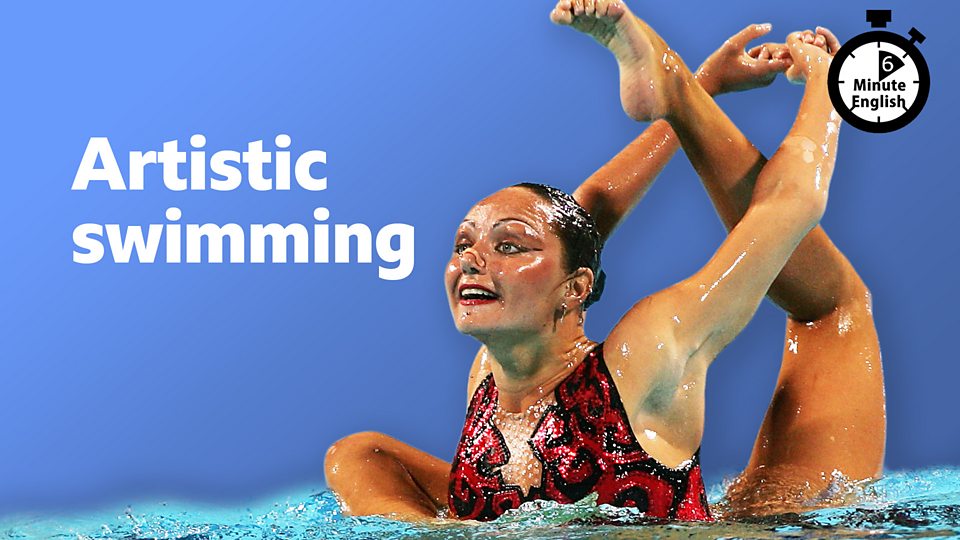
[본문] [07] In artistic swimming, athletes dance underwater while holding their breath!
[설명] 『while holding their breath』는 분사구문입니다. 분사구문은 대개 접속사를 생략하지만 뜻을 살리기 위해 그대로 두기도 합니다.
[본문] [09] Yes, swimmers dance upside down in the water, holding their breath.
[설명] 『holding their breath』은 때(시간)을 나타내는 분사구문입니다. while 분사구문으로 추정됩니다.
[본문] [10] As we'll hear, it's an extremely demanding sport which requires discipline, stamina and years of training.
[설명] 『which requires discipline ~』의 which는 주격의 관계대명사입니다. 선행명사 'demanding sport'의 뜻을 묶어 주는 한정 쓰임법입니다.
[본문] [21] She's also the first artistic swimmer with over a million social media followers, after videos of her walking upside down underwater went viral.
[설명] ⑴ 「videos of her walking ~」은 전치사 [of+V-ing] 구문으로 동격을 나타냅니다. '-ing 하는 ~'의 뜻으로 해석합니다.
⑵ 『her walking ~』에서 소유격인 her가 동명사 「walking ~」의 의미상주어입니다.
⑶ 『went viral』은 「go+형용사」 글짜임으로 흔히 결과를 나타냅니다. 결과적으로 '~해 버렸다'의 뜻
[참조 링크]☞ 해석의 기술 for 독해, 동격 명사 + of ~ing
[본문] [22] Here, she explains the different types of swimming dances, called routines, to Datshiane Navanayagam, presenter of BBC World Service programme The Conversation.
[설명] 『called routines』는 과거분사(구)로 'the different types of swimming dances'를 뒤에서 꾸며줍니다. 분사 앞에 '주격관계대명사와 be 동사'가 생략되어 있다고 생각할 수 있습니다.
[본문] [23] If you had to explain artistic swimming to someone who has never seen it, how would you describe it?
[설명] ⑴ 『If you had to ~』의 'have to'는 '의무'를 나타내는 서법조동사입니다.
⑵ 『who has never seen ~』의 who는 한정용법 주격의 관계대명사입니다. 선행(명)사는 someone입니다.
[본문] [24] So, I would say it depends if you're watching, like, a solo or duet or team routine, because in solo there's one person, in duet there's two people, and in team routines there can be eight people or ten people.
So, I would say {that} it depends if you're watching, like, a solo or duet or team routine, because in solo there's one person, in duet there's two people, and in team routines there can be eight people or ten people.
[설명] ⑴ 'would say' 뒤에 명사절을 이끄는 접속사 that이 생략되었습니다. that절의 문장성분은 목적어입니다.
⑵ 『if you're watching ~』의 접속사 if가 종속절로 명사절을 이끕니다. 문장성분은 목적어입니다.
[본문] [28] Artistic swimming routines are performed solo, meaning by just one person, or as a duet, which means by two people.
[설명] ⑴ 분사구문 『meaning by ~』는 계속용법의 관계사절을 분사구문으로 줄여 쓴 것입니다. 원래 문장은 『which means ~ 』 입니다.
⑵ 『which means ~』 글짜임의 which는 관계대명사의 계속적 쓰임법으로 격은 주격입니다. 선행(명)사는 'a duet'입니다.
[본문] [29] There are also team routines where one swimmer is lifted up out of the water.
[설명] 『where one swimmer ~』의 where는 관계부사입니다, 선행(명)사는 'team routines'입니다.
[본문] [30] What all these routines have in common is that, physically, they are incredibly hard.
[설명] ⑴ 『What all these routines have in common』은 what 목적격 관계대명사절로 절의 문장성분은 주어입니다.
⑵ 이 월(=文章)은 주어가 what 관게사절, 동사가 is, 접속사 that이 이끄는 명사절이 보어[補語, complement]인 2형식 글짜임입니다.
[본문] [32] The swimmer's movements need to be as graceful as a ballet dancer, and above all, it has to look effortless because judges award points for artistic expression.
[설명] ⑴ 『The swimmer's movements need to be ~』의 「need to」는 준조동사입니다.
⑵ 「as graceful as」는 「as 형용사 as」 글짜임으로 동등 비교(원급 비교) 글짜임입니다.
⑶ 『it has to look ~』의 'have to'는 '의무'를 나타내는 서법조동사입니다.
[참조 링크]☞ as 형용사 as 비교구문 / 두 as의 차이점
[본문] [33] Silvia says she hides behind a smile - an idiom meaning to hide pain by presenting a happy outward appearance.
[설명] ⑴ 『meaning to ~』는 현재분사 글짜임으로 'an idiom'을 뒤에서 꾸며 줍니다. 분사 앞에 「주격관계대명사와 be 동사」가 생략되어 있다고 생각할 수 있습니다.
⑵ 『by presenting ~』의 「by V-ing ~」 글짜임은 앞에 나온 내용을 실행하는 방법이나 수단을 설명합니다. '-함으로써, -해서, -(하는 것)으로'라고 풀어줍니다.
[참조 링크]☞ V by -ing
[참조 링크]☞ by ing, in ing, of ing, on ing 뜻 구분 해석·번역 팁
[참조 링크]☞ 로버트 G. 앨런의 긍정 명언 - ~함으로써, by -ing 의 용법과 예문 출처:
[본문] [34] To succeed at the top level of any sport requires a huge amount of dedication.
[설명] 「To succeed ~」는 to부정사의 명사적 용법으로 문장성분은 주어입니다.
[본문] [35] Silvia trains eight hours a day, six days a week, under the guidance of her coach, who's also her mum and a former artistic swimming champion herself.
[설명] 『who's also her ~』의 who는 계속용법의 주격 관계대명사입니다. 선행(명)사는 'her coach'입니다. "and she"의 뜻입니다.
[본문] [36] Here, Silvia discusses the sacrifices she's made to succeed, with Datshiane Navanayagam for BBC World Service's The Conversation:
Here, Silvia discusses the sacrifices {which/that} she's made to succeed, with Datshiane Navanayagam for BBC World Service's The Conversation:
[설명] 선행(명)사 'the sacrifices' 뒤에 목적격 관계대명사 which 또는 that이 생략되어 있습니다.
[본문] [38] I think it's good on one side because you can practise more at home, but on the other hand, it's not sometimes good because you're training when you're at home, when you're supposed to be, like, chillin'.
I think {that} it's good on one side because you can practise more at home, but on the other hand, it's not sometimes good because you're training when you're at home, when you're supposed to be, like, chillin'.
[설명] 'I think ' 뒤에 명사절을 이끄는 접속사 that이 생략되었습니다. that절의 문장성분은 목적어입니다.
[본문] [41] Silvia thinks there are good and bad things about being coached by her mum.
Silvia thinks {that} there are good and bad things about being coached by her mum.
[설명] 'Silvia thinks' 뒤에 명사절을 이끄는 접속사 that이 생략되었습니다. that절의 문장성분은 목적어입니다.
[본문] [42] It's good because she can practise at home, but on the other hand, it feels like she's training all the time.
[설명] 『it feels like ~』의 like는 접속사입니다. 'like 절의 [주어]가 [동사]하듯이 느끼다'의 뜻을 갖습니다.
[본문] [43] She uses the phrase on the other hand to show this contrasting opinion.
[설명] 『to show this ~』는 to부정사의 부사적용법(목적)입니다. '~하기 위하여'의 속내를 나타냅니다.
[본문] [44] What Silvia really looks forward to is chillin' - a slang word meaning relaxing or hanging out.
[설명] 『What Silvia really ~』는 what 목적격 관계대명사절로 절의 문장성분은 주어입니다.
[본문] [45] For young athletes, balancing sport with school and friends is difficult, and it's hard to get a respite from training.
[설명] ⑴ 『balancing sport with ~』는 동명사(구)입니다. 문장성분은 주어입니다.
⑵ 『it's hard to get ~』은 to부정사(구)가 문장의 진짜·주어(眞주어)입니다. 형용사가 보어[補語, complement]일 때 대체로 이러한 글짜임을 갖습니다.
[본문] [46] A respite is a temporary break from doing something difficult.
[설명] 『from doing ~』의 [from + V-ing] 글짜임은 ~ 하는 것을 금지하는 뜻을 갖습니다.
[본문] [51] I asked you which country had won the most gold medals for artistic swimming since the beginning of the Olympic sport?
[설명] 이 월(=文章)은 ask가 4형식 글짜임을 만듭니다. 간접목적어는 you, 직접목적어는 'which 명사절'입니다.
pdf 파일은 이곳을 클릭하세요.
https://softca.tistory.com/3517을 클릭하세요.
이 블로그에는 [BBC 6분 영어와 관련하여 매주 다음과 같은 글들이 게시 됩니다
- 단어공부(금주 대본에 나온 주요 어휘) https://softca.tistory.com/3518
- 멀티단어공부(금주 대본에 사용된 멀티단어(구동사, 숙어) 간단 정리) https://softca.tistory.com/3519
- 독해공부(금주 대본의 문장별 해석(직역) 자료) https://softca.tistory.com/3520
- 문장별 문법공부(문장별 문법 설명) 이 글입니다
- 금주의 어휘(금주 대본에 나온 금주의 어휘를 집중적으로 정리한 자료) 이 글의 포스팅 시점에는 아직 작성되지 않았습니다.
- 항목별 문법공부(금주 대본에 나온 문법을 주제별/항목별로 정리한 자료) 이 글의 포스팅 시점에는 아직 작성되지 않았습니다.
- 금주의 구동사(금주 대본에 사용된 구동사 상세 정리) 이 글의 포스팅 시점에는 아직 작성되지 않았습니다.
- 금주의 PDF(금주의 PDF 및 기타 다운로드 파일) https://softca.tistory.com/3517

아래의 이미지를 클릭하시면 PDF로 된 대본(Script)를 다운받을 수 있습니다.
[영어 문장 공부] 자료를 처음 보시는 분은 아래의 링크를 클릭하셔서 「공부법」을 먼저 보시기를 권장 드립니다.
[영어문장공부] 학습법 보기

'BBC 6분영어' 카테고리의 다른 글
| Artistic swimming [BBC 6분 영어] BBC 러닝잉글리시 문법 강좌(항목별) (0) | 2026.02.23 |
|---|---|
| [BBC 영어] 6분영어, 금주의 어휘 - Artistic swimming (0) | 2026.02.23 |
| Artistic swimming - BBC 6분영어 강좌 [영어독해공부] (0) | 2026.02.18 |
| [영어숙어 및 구동사] 6분영어 - Artistic swimming [BBC 러닝잉글리시 강좌] (0) | 2026.02.16 |
| 6분영어 영어단어공부 - Artistic swimming [BBC 러닝잉글리시 강좌] (0) | 2026.02.16 |


