이번주 BBC 러닝잉글리시 - 6분영어가 다룬 문법 관련 이슈 는 관계대명사(12), 관계부사(9), 접속사(4), that(3), 분사(3), 의문사(3), 전치사(3), 문장부호(3), 문장형식: 5형식(3), 문장형식: 4형식(2), 동명사(2), 부정사(2) 등이였습니다. 그 외에 종속접속사, 한정사, 전치사 글짜임, 분열문, 삽입 구문, 명령법, 명사, 문장구조, 법조동사 등이 각각 1 건씩 다루어졌습니다.

[본문] [04] Some kids hate eating broccoli.
[설명] 『eating ~』은 동명사(구)입니다. 문장성분은 목적어입니다.
[본문] [07] Every parent of young children knows what food they will and won't eat.
[설명] 『what food they will ~』에서 what은 의문형용사[한정사]로 food를 꾸며줍니다. what절의 문장성분은 목적어입니다.
[참조 링크]☞ 의문사 who, whose, what, which
[참조 링크]☞ What Are Interrogative Adjectives? (with Examples)
[본문] [08] What food did you dislike as a child, Georgie?
[설명] 이 월(文章)에서 what은 의문 형용사[한정사]로 food를 한정하여 꾸밉니다.
[참조 링크]☞ 의문사 who, whose, what, which
[참조 링크]☞ What Are Interrogative Adjectives? (with Examples)
[본문] [09] Ooh, when I was little, I used to absolutely hate nuts and avocados.
[설명] 「used to absolutely hate」에서 Modal Auxiliary Verbs:법조동사(Modal Auxiliary Verb) 「used to」는 비교적 긴 기간에 걸친 과거의 상습적인 동작이나 상태를 나타냅니다.
[본문] [16] Family dinner time can be fun - a chance to reconnect, hear about everyone's day and share a meal.
[설명] 세개의 to부정사 「reconnect」와 「hear about」, 「share ~」가 to를 함께 쓰며 접속사 and로 이어져 있습니다.
[본문] [17] But when children refuse to eat the food that's been cooked, the result is often conflict rather than family fun.
[설명] ⑴ 『that's been cooked』의 that은 관계대명사입니다. 격은 주격이고, 선행(명)사는 'the food'입니다.
⑵ rather than은 낱말이나 구를 이어주는 접속사 일을 합니다. 여기서는 「conflict」와, 「family fun」을 잇고 있습니다. 'rather than'은 절을 이어주지눈 못해서 반쪽 접속사 즉, 의사(擬似) 접속사라고 부릅니다.
[본문] [18] BBC Radio 4 programme The Food Chain asked child nutritionist and mother of two Charlotte Stirling-Reed whether her kids eat everything she gives them.
[설명] 「mother of two」와 「Charlotte Stirling-Reed」가 동격입니다.
[본문] [20] We go through multiple periods of ups and downs where their appetite is much lower, and then all of a sudden it comes right back.
[설명] 『where their appetite is ~』의 관계부사 where의 선행(명)사는 'multiple periods of ups and downs'입니다. where는 장소를 의미하는 말이 아닌 명사도 선행(명)사가 될 수 있습니다.
[본문] [27] A person's mood is the way they are feeling at a particular time.
[설명] 『the way they ~』의 'the way'는 방법을 나타내는 관계부사입니다. 원래는 'the way + how'였지만 지금은 the way나 how 중 하나만을 써야 합니다. 'the way'는 명사절을 이끄는 접속사로 보기도 합니다. 'the way'를 'the way that'에서 that이 생략된 구조로 보기도 합니다. 그런데 이 때의 that은 관계대명사가 아니라 관계부사적 that입니다.
[본문] [28] So, how can parents make dinnertime something everyone enjoys?
So, how can parents make dinnertime something {which/that} everyone enjoys?
[설명] ⑴ 선행(명)사 something 뒤에 목적격 관계대명사 which 또는 that이 생략되어 있습니다.
⑵ 『make dinnertime something ~』은 make 5형식 글짜임입니다. 명사말 「something ~」이 목적격 보어입니다.
[본문] [37] c) introduce your child to lots of new flavours quickly?
[설명] 「introduce A to B」 글짜임은 'A에게 B를 소개하다'의 뜻을 갖습니다.
[본문] [44] She co-founded the Family Dinner Project, an organisation promoting children's healthy eating in the US.
[설명] 『promoting ~』은 현재분사 글짜임으로 'an organisation'을 뒤에서 꾸며 줍니다. 분사 앞에 「주격관계대명사와 be 동사」가 생략되어 있다고 생각할 수 있습니다.
[본문] [45] Here, Anne explains one reason why mealtimes can become stressful, to Ruth Alexander for BBC World Service programme The Food Chain.
[설명] 『why mealtimes can ~』의 why는 관계부사입니다. 선행(명)사는 'one reason'입니다. 관계부사 why는 「for+관계대명사 which」와 같은 기능을 합니다,
[본문] [46] Many parents say dinnertime can become a battleground, so why is it that what you're eating can trigger so much tension?
Many parents say {that} dinnertime can become a battleground, so why is it that what you're eating can trigger so much tension?
[설명] ⑴ 'parents say' 뒤에 명사절을 이끄는 접속사 that이 생략되었습니다. that절의 문장성분은 목적어입니다.
⑵ 『why is it that ~』은 why 의문사절울 강조하기 위한 「it that ~」 강조구문입니다. 의문사 why의 뜻을 한층 강조합니다. 원래의 문장은 why can what you're eating trigger so much tension? 입니다.
⑶ 『what you're eating』은 what 목적격 관계대명사절로 절의 문장성분은 주어입니다.
[본문] [47] I think for small children it's one of the few areas that they have control over.
I think {that} for small children it's one of the few areas that they have control over.
[설명] ⑴ 'I think' 뒤에 명사절을 이끄는 접속사 that이 생략되었습니다. that절의 문장성분은 목적어입니다.
⑵ 『that they have ~』의 that은 관계대명사입니다. 격은 목적격이고, 선행(명)사는 'the few areas'입니다. 한정용법입니다.
[본문] [48] I mean, parents can cook what they want and serve it when they want, but it's up to kids to decide whether they're going to eat it.
[설명] ⑴ 『what they want』는 what 목적격 관계대명사절로 절의 문장성분은 목적어입니다.
⑵ 『when they want』의 접속사 when은 때를 나타내는 종속절(부사절)을 이끕니다.
⑶ 「whether ~」 절은 명사절로 문장 성분은 목적어입니다.
[참조 링크]☞ whether 동격절
[본문] [51] Dinnertime often becomes a battleground - a place where argument or conflict happens.
[설명] ⑴ 『where argument or ~』의 where는 관계부사입니다, 선행(명)사는 'a place'입니다.
⑵ 대시(줄표)는 동격 관계를 나타냅니다. 「a battleground」와 「 - a place ~」는 동격입니다.
[본문] [52] Anne thinks that's because it's one of the few areas where children have control.
Anne thinks {that} that's because it's one of the few areas where children have control.
[설명] ⑴ 'Anne thinks' 뒤에 명사절을 이끄는 접속사 that이 생략되었습니다. that절의 문장성분은 목적어입니다.
⑵ because절이 명사절로 보어인 2형식 문장입니다. 주어는 that, 동사는 is입니다.
⑶ 『where children have ~』의 where는 관계부사입니다, 선행(명)사는 'few areas'입니다.
[참조 링크]☞ 보어로 쓰인 because절에 대해서-편입영어과외
[참조 링크]☞ ‘the reason is that’ or ‘the reason is because’?
[참조 링크]☞ [단편집] "the reason why S V", "the reason S V is because S V"에 대한 논의
[본문] [53] For kids, controlling what they're willing to eat is a big deal - something of special importance to them.
[설명] ⑴ 『controlling ~』은 동명사(구)입니다. 문장성분은 주어입니다.
⑵ 『what they're willing to eat』는 what 목적격 관계대명사절로 절의 문장성분은 목적어입니다.
[본문] [54] If experts like Charlotte and Anne struggle at mealtimes, imagine how hard it could be if your child has a food allergy - a condition where the body makes you sick after eating certain foods.
[설명] ⑴ 이 월(=文章)은 if 종속절과 주절로 구성된 복문(複文, complex sentence) 구조의 문장입니다.
⑵ 주절 또한 if 종속절과 주절로 구성된 복문 구조의 문장입니다.
⑶ 주절은 명령문입니다.
⑷ 명사절인 how절 『how hard it could be』의 문장 성분은 목적어입니다.
⑸ 『where the body makes ~』의 관계부사 where의 선행사는 {a condition}입니다. where는 장소를 의미하는 말이 아닌 명사도 선행사가 될 수 있습니다.
⑹ 대시(줄표)는 동격 관계를 나타냅니다. 「a food allergy」와 「a condition」은 동격입니다. 대시가 '(관계)대명사+be동사'의 기능을 합니다.
* condition 질병
[본문] [55] That was the experience of Sharon Wee, a food writer from Singapore, who speaks here with BBC World Service programme The Food Chain.
[설명] ⑴ 『a food writer from Singapore』는 삽입구로 앞에 나온 Sharon을 덧붙여 풀어줍니다.
⑵ 『who speaks here ~』의 who는 계속용법의 주격 관계대명사입니다. 선행(명)사는 'Sharon Wee'입니다. "and she"의 뜻입니다.
[본문] [56] My daughter was born with allergies and it was quite a struggle at first.
[설명] 『quite a struggle ~』의 한정사 quite는 전치 한정사입니다. 어순은 「quite a/an+명사」의 틀을 갖습니다.
[본문] [57] And to be honest with you, we found the winning formula, which was rice and beans, and she grew up eating rice and beans probably for the first five years of her life.
[설명] ⑴ 『which was rice ~』 글짜임의 which는 관계대명사의 계속적 쓰임법으로 격은 주격입니다. 선행(명)사는 'the winning formula'입니다.
⑵ 『eating rice and beans』는 현재분사(구)로 부사말(구)로 쓰이고 있습니다. 동사말인 'grew up'를 꾸며줍니다. 일반적으로는 분사구문으로 설명합니다.
[본문] [58] Sharon's daughter's allergies restricted what she could eat, making cooking for the whole family a struggle.
[설명] ⑴ 『what she could eat』의 what은 관계대명사일 수도 의문대명사일 수도 있습니다. 문맥(文脈)에 맞추어 골라 쓰면 됩니다. what 절의 문장성분은 목적어입니다.
⑵ 『making cooking ~』은 '~하면서'의 뜻을 나타내는 분사구문입니다. 주절과 동시 동작을 표현하는 것으로 주로 as 부사절을 분사구문으로 만든 구문입니다.
[참조 링크]☞ 부대(附帶)상황 학말영식 사용법
[참조 링크]☞ 분사구문 부대사황
[참조 링크]☞ 분사구문의 개념과 용법 (천재학습백과 미리보는 중학 영어 문법)
[본문] [59] Luckily, Sharon discovered the winning formula - something her daughter could safely eat - rice and beans.
Luckily, Sharon discovered the winning formula - something {which/that} her daughter could safely eat - rice and beans.
[설명] ⑴ 선행(명)사 something 뒤에 목적격 관계대명사 which 또는 that이 생략되어 있습니다.
⑵ 대시(줄표)는 동격 관계를 나타냅니다. 「the winning formula」와 「something ~」 및 「rice and beans」는 동격입니다.
[본문] [60] A winning formula is a method or strategy that produces successful results.
[설명] 『that produces ~』의 that은 관계대명사입니다. 격은 주격이고, 선행(명)사는 'a method or strategy'입니다.
[본문] [61] So, Georgie, how can parents help their children develop good eating habits?
[설명] 『help their children develop ~』는 help 5형식 글짜임으로 help가 사역동사라서 원형 부정사 develop가 목적격 보어로 오고 있습니다.
[본문] [62] Well, there are some things that our experts all agree upon.
[설명] 『that our experts all ~』의 that은 관계대명사입니다. 격은 목적격이고, 선행(명)사는 'some things'입니다. 한정용법입니다.
[본문] [63] For one, give children a choice - for example, by offering small, healthy snacks and dips before the meal.
[설명] ⑴ 『give children a choice』는 give 4형식 글짜임입니다. 간접목적어는 children이고 직접목적어는 'a choice'입니다.
⑵ 『by offering small ~』의 「by V-ing ~」 글짜임은 앞에 나온 내용을 실행하는 방법이나 수단을 설명합니다. '-함으로써, -해서, -(하는 것)으로'라고 풀어줍니다.
[참조 링크]☞ V by -ing
[참조 링크]☞ by ing, in ing, of ing, on ing 뜻 구분 해석·번역 팁
[참조 링크]☞ 로버트 G. 앨런의 긍정 명언 - ~함으로써, by -ing 의 용법과 예문 출처:
[본문] [64] And most importantly of all, create a stress-free atmosphere by not pressurising kids to finish everything on their plate.
[설명] 『by not pressurising ~』의 「by V-ing ~」 글짜임은 앞에 나온 내용을 실행하는 방법이나 수단을 설명합니다. '-함으로써, -해서, -(하는 것)으로'라고 풀어줍니다.
[참조 링크]☞ V by -ing
[참조 링크]☞ by ing, in ing, of ing, on ing 뜻 구분 해석·번역 팁
[참조 링크]☞ 로버트 G. 앨런의 긍정 명언 - ~함으로써, by -ing 의 용법과 예문 출처:
[본문] [67] I asked you what child food nutritionist Charlotte Stirling-Reed recommends for stress-free family meals.
[설명] 이 월(=文章)은 ask가 4형식 글짜임을 만듭니다. 간접목적어는 you, 직접목적어는 'what ~' 절입니다.
[본문] [74] Your mood is how you feel at a particular time.
[설명] 『how you feel ~』운 how 관계부사절입니다. '~하는 방식(법)'이라는 의미의 명사절로 문장성분은 보어입니다.
[본문] [75] A battleground is a place or situation where argument or conflict happens.
[설명] 『where argument or conflict ~』의 관계부사 where의 선행(명)사는 'a place or situation'입니다. where는 장소를 의미하는 말이 아닌 명사도 선행(명)사가 될 수 있습니다.
[본문] [76] If something is a big deal, it's of special importance to you.
[설명] 『of special importance』는 「of+추상명사」 구문으로 형용사구입니다. '특별히 중요한'의 뜻입니다.
[본문] [77] A food allergy is a medical condition where certain foods make your body sick.
[설명] ⑴ 『where certain foods ~』의 관계부사 where의 선행(명)사는 'a medical condition'입니다. where는 장소를 의미하는 말이 아닌 명사도 선행(명)사가 될 수 있습니다.
⑵ 『make your body sick』는 make 5형식 글짜임입니다. 목적어가 'your body', 목적어보어[補語, complement]가 형용사인 sick입니다.
[본문] [78] And finally, a winning formula is a method or strategy that produces successful results.
[설명] 『that produces successful ~』의 that은 관계대명사입니다. 격은 주격이고, 선행(명)사는 'a method or strategy'입니다.
[본문] [84] But what can parents do to help encourage their children to eat a healthy diet, without turning every dinner into disaster?
[설명] 『to help encourage ~』는 「help+원형부정사」 글짜임입니다. help는 사역동사로 원형부정사(구) 'encourage ~'를 목적어로 가져오고 있습니다.
[참조 링크]☞ help 원형부정사 , help to 부정사 차이점?
[참조 링크]☞ 준 사역동사 'Help' (+목적어) + 원형부정사 / To 부정사
[참조 링크]☞ 준사역동사 help 다음에 동사원형, to부정사
pdf 파일은 이곳을 클릭하세요.
https://softca.tistory.com/3677을 클릭하세요.
이 블로그에는 [BBC 6분 영어와 관련하여 매주 다음과 같은 글들이 게시 됩니다
- 단어공부(금주 대본에 나온 주요 어휘) https://softca.tistory.com/3678
- 멀티단어공부(금주 대본에 사용된 멀티단어(구동사, 숙어) 간단 정리) https://softca.tistory.com/3679
- 독해공부(금주 대본의 문장별 해석(직역) 자료) https://softca.tistory.com/3680
- 문장별 문법공부(문장별 문법 설명) 이 글입니다
- 금주의 어휘(금주 대본에 나온 금주의 어휘를 집중적으로 정리한 자료) 이 글의 포스팅 시점에는 아직 작성되지 않았습니다.
- 항목별 문법공부(금주 대본에 나온 문법을 주제별/항목별로 정리한 자료) 이 글의 포스팅 시점에는 아직 작성되지 않았습니다.
- 금주의 구동사(금주 대본에 사용된 구동사 상세 정리) 이 글의 포스팅 시점에는 아직 작성되지 않았습니다.
- 금주의 PDF(금주의 PDF 및 기타 다운로드 파일) https://softca.tistory.com/3677

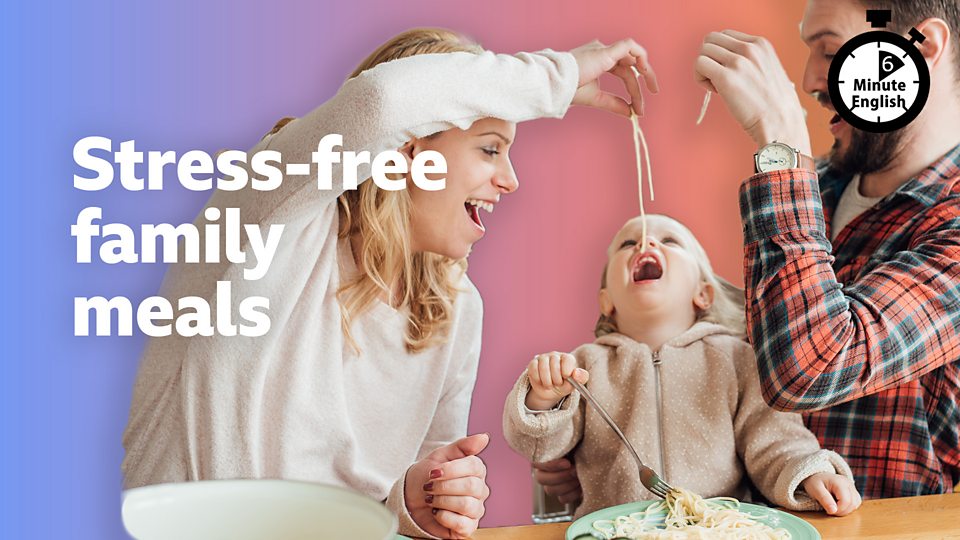
아래의 이미지를 클릭하시면 PDF로 된 대본(Script)를 다운받을 수 있습니다.
[영어 문장 공부] 자료를 처음 보시는 분은 아래의 링크를 클릭하셔서 「공부법」을 먼저 보시기를 권장 드립니다.
[영어문장공부] 학습법 보기

'BBC 6분영어' 카테고리의 다른 글
| Stress-free family meals [BBC 6분 영어] BBC 러닝잉글리시 문법 강좌(항목별) (0) | 2026.07.01 |
|---|---|
| [BBC 영어] 6분영어, 금주의 어휘 - Stress-free family meals (0) | 2026.07.01 |
| Stress-free family meals - BBC 6분영어 강좌 [영어독해공부] (0) | 2026.06.30 |
| 6분영어 영어숙어 및 구동사 - Stress-free family meals [BBC 러닝잉글리시 강좌] (0) | 2026.06.29 |
| 6분영어 영어단어공부 - Stress-free family meals [BBC 러닝잉글리시 강좌] (0) | 2026.06.29 |


