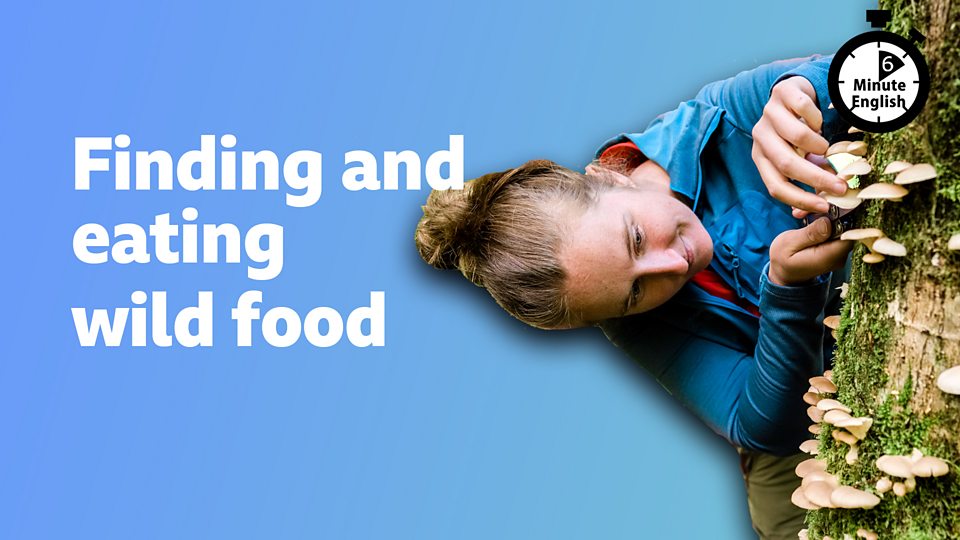
당신은 어디에서 당신의 과일과 채소를 삽니까? 할인점, 청과물 가게, 아니면 야생인가요? 우리의 먼 조상들에게 야생 먹거리를 찾는 활동은 생존에 필수적이었습니다. 반면에 요즘에 우리는 상점에서 산 농사 지은 식품에 의지하는 경향이 있습니다. 하지만, 그들이 무엇을 하고 있는지를 아는 저 사람들에게, 야생 먹거리 활동은 기쁨을 주고 성취감을 주고 그리고 맛있는 음식이 가득찰 수 있습니다! Pippa와 베스가 이것을 논의하고 당신에게 몇몇 새로운 어휘를 가르쳐 줍니다 .

이 자료는 BBC 러닝잉글리시 코너의 6분영어가 매주 재공하는 스크립트를 직역한 것입니다. 이번 주 스크립트의 주제는 'Finding and eating wild food' 입니다.
해석은 철저하게 직역하였습니다. 관계사절 등의 절이나 긴 부정사, 동명사구, 삽입구 등은 이해를 위해 []를 사용해 묶었습니다. 이 글의 목적은 번역이 아니라 원문을 영어적으로 이해하는 것이기 때문입니다.
[본문] [01] Hello, this is 6 Minute English from BBC Learning English.
[직역] 안녕(하세요) 여기는 BBC 학습 영어의 6분 영어입니다 .
[본문] [02] I'm Pippa.
[직역] 나는 피파입니다 .
[본문] [03] And I'm Beth.
[직역] 그리고 나는 베쓰입니다 .
[본문] [04] Foraging is the activity of walking in the countryside, looking for plants you can eat that grow in the wild.
Foraging is the activity of walking in the countryside, looking for plants {which/that} you can eat that grow in the wild.
[직역] 야생 먹이 활동은 〈[야생에서 자라는 [당신이 먹을 수 있는]] 식물을 찾아 다니는〉 시골 지역에서의 걷기 활동입니다.
[본문] [05] That's anything from blackberries and chestnuts to mushrooms and wild garlic.
[직역] 그것은 블랙베리와 밤에서부터 버섯과 야생의 마늘까지 모든 것입니다.
[본문] [06] It's something humans have always done and recently it's become fashionable among groups of young people.
It's something {which/that} humans have always done and recently it's become fashionable among groups of young people.
[직역] 그것은 인간이 항상 해오고 있는 무언가입니다. 그리고 최근에 그것은 젊은이들 그룹 사이에서 유행이 되어 오고 있습니다.
[본문] [07] Pippa, have you ever been foraging?
[직역] Pippa 당신은 야생 먹이 활동을 해 본적이 있습니까?
[본문] [08] Yes, we used to go and pick blackberries when I was younger, but I haven't really done it as an adult, and I would be a bit nervous to look for mushrooms or things like that.
[직역] 맞아요. 우리는 [내가 좀더 어렸을 때] 블랙베리를 따러 가곤 했습니다. 그러나 나는 어른이 되어서는 그것을 실제로 한 적이 없습니다. 그리고 나는 버섯이나 그러한 것들을 찾는 것이 조금 불안하곤 했습니다.
[본문] [09] What about you?
[직역] 당신은 어떤가요?
[본문] [10] I'm exactly the same.
[직역] 나도 정확히 같습니다.
[본문] [11] If I see a blackberry on a bush, I will eat it!
[직역] 만약 내가 블랙베리를 덤블 속에서 보면, 나는 그것을 먹을 것입니다!
[본문] [12] But mushrooms?
[직역] 그러나 버섯은?
[본문] [13] No. Too scary.
[직역] 그래요, 너무 무서워요.
[본문] [14] So, in this episode, we'll meet two young women from different countries who are passionate about foraging wild food.
[직역] 그래서 이 에피소드에서 우리는 [야생 먹이 활동을 하는 것에 열정을 갖고 있는] 〈다른 나라에서 온〉 두명의 젊은 여성들을 만날 것입니다.
[본문] [15] They're both self-taught, having learned to forage by studying the natural world around them, and it's important to say that they only eat what they can identify with one hundred percent certainty, sticking to the rule, "If in doubt leave it out!"
[직역] 그들은 둘 다 〈그들을 둘러싼 자연세계를 공부함으로 먹거리 찾는 것을 배워 오면서〉 독학을 했습니다. 그리고 〈[그들이 [그들이 〈"확신이 안 서면 그것을 배제시킨다" 라는 원칙을 굳게 지키면서〉 백 퍼센트 확실한 것이라고 여길 수 있는 것]을 단지 먹는다] 라는 것을 말하는 것〉은 중요합니다.
[본문] [16] We'll also be learning some useful new words and phrases, all of which you'll find on our website, bbclearningenglish.com.
[직역] 우리는 또한 몇몇 쓸모있는 새로운 단어와 구를 배우고 있을 것입니다 그리고 그것들 모두를 당신은 우리의 웹사이트인 bbclearningenglish com에서 찾을 수 있습니다 .
[본문] [17] But before that, I have a question for you, Pippa.
[직역] 그런데 Pippa, 그 전에 나는 당신에게 질문이 있습니다.
[본문] [18] As mentioned, when foraging you must know for certain what is safe to eat.
[직역] 언급한 대로, 〈먹거리 찾기를 할 때에〉 당신은 [먹기에 안심할 수 있는 것]을 틀림없이 알아야 합니다.
[본문] [19] Something definitely not safe to eat is the mushroom Death Cap.
[직역] 확실히 안전하지 않는 먹을 무언가는 독버섯인 데쓰캡입니다.
[본문] [20] As the name suggests, it's one of the world's deadliest mushrooms, and it's common across the British Isles, but what colour is it?
[직역] 이름이 시사하듯이 그것은 세계에서 가장 많이 생명을 앗아가는 버섯 중의 하나입니다. 그리고 그것은 영국의 여러 섬에 걸쳐 흔합니다. 그런데 그것은 어떤 색상입니까?
[본문] [21] Are Death Cap mushrooms:
[직역] 데쓰캡 버섯은 이것입니다.
[본문] [22] a) brown, b) white, or c) red?
[직역] ⒜ 갈색 ⒝ 흰색 아니면 ⒞ 빨간색?
[본문] [23] I'm going to say, if it's dangerous maybe it's red.
[직역] 나는 [만약 그것이 위험하다면, 어쩌면 그것은 빨강이다] 라고 말하려고 합니다.
[본문] [24] OK.
[직역] 오케이
[본문] [25] Well, we'll find out later in the programme.
[직역] 그래요 우리는 나중에 프로그램애서 찾을 것입니다 .
[본문] [26] First, let's meet Roushanna Gray, a wild-food forager living in Cape Point, South Africa.
[직역] 먼저 남 아프리카 공화국 Cape Point에 살고 있는 야생 먹거리꾼인 Roushanna Gray를 만나 봅시다.
[본문] [27] Roushanna learned how to forage from her mother-in-law, as she explains here to BBC World Service programme The Conversation:
[직역] 그녀가 여기에 비비씨 월드 서비스 프로그램 The Conversation에 설명한 것처럼, Roushanna는 그녀의 시어머니에게서 야생 먹거리 찾는 방법을 배웠습니다.
[본문] [28] So, she is a horticulturalist.
[직역] 그래서 그녀는 원예사입니다.
[본문] [29] She has a deep knowledge of plants.
[직역] 그녀는 식물에 깊은 지식을 갖고 있었습니다.
[본문] [30] And so, I would be, kind of, scanning the landscape and learning about these new plants - or new to me - and wondering if you could eat them.
And so, I would be, kind of, ①scanning the landscape and ②learning about these new plants - or new to me - and ③wondering if you could eat them.
[직역] 그리고 그래서 나는 약간, 풍경을 살피고 그리고 또는 나에겐 새로운 이들 새로운 식물들에 관해 배우고 그리고 [당신이 그것들을 먹을 수 있는지]를 궁금해 하고 있곤 했습니다.
[본문] [31] Something that's incredibly important in foraging is to know a hundred and ten percent if you can eat it - positive identification of the plant.
[직역] 야생 먹거리 찾기에서 믿을 수 없을 정도로 중요한 무언가는 당신이 그것들을 먹을 수 있는지 110 퍼센트 아는 것입니다. (즉,) 식물의 긍정적인 식별(입니다).
[본문] [32] And so, she was my plant person.
[직역] 그리고 그래서 그녀는 나의 식물 사람이었습니다.
[본문] [33] Roushanna's mother-in-law is a horticulturalist - a person who studies or grows plants such as flowers, fruits and vegetables.
[직역] Roushanna's의 시어머니는 원예사입니다. (즉,) 꽃과 과일 그리고 채소와 같은 식물을 연구하거나 재배하는 사람(입니다).
[본문] [34] She has a deep knowledge of the wild plants growing in nature.
[직역] 그녀는 자연에서 자라고 있는 야생 식물의 깊은 지식을 갖고 있습니다.
[본문] [35] A deep knowledge means a thorough understanding of a subject gained from experience and study, not just knowing the basic facts.
[직역] 'deep knowledge'란 단지 기초적인 사실 만을 아는 것이 아니라 경험과 연구로부터 쌓은 주제의 철저한 이해 라는 의미입니다.
[본문] [36] One skill foragers need is scanning the landscape.
One skill {which/that} foragers need is scanning the landscape.
[직역] [야생 먹거리꾼이 필요한] 어느 한 기술은 풍경을 훑어보는 것입니다.
[본문] [37] Scanning means searching a wide area with your eyes to find some particular thing - in this case, edible plants and herbs.
[직역] 'Scanning'은 어떤 특정한 식물을 찾기 위해 당신의 눈으로 넓은 지역을 찾아보는 것이라는 의미입니다. 이번 경우에 먹을 수 있는 식물과 허브(입니다).
[본문] [38] And of course, Roushanna only eats plants that she can positively identify - plants that she knows a hundred and ten percent are safe to eat.
[직역] 그리고 물론 Roushanna는 단지 식물을 그녀가 긍정적으로 확인할 수 있는 먹습니다. (즉,) 그녀가 110 퍼센트 아는 식물은 안전하게 먹을 수 있습니다.
[본문] [39] Here, the idiom a hundred and ten percent means Roushanna is completely sure.
[직역] 여기에 관용구 hundred and ten percent는 Roushanna가 완전히 확신한다 라는 의미입니다
[본문] [40] She has no doubt.
[직역] 그녀는 의심하지 않습니다.
[본문] [41] And that's important, as the consequences of eating poisonous plants are serious - sickness or even death.
[직역] 그리고 그것은 중요합니다. 왜냐하면 독이 있는 식물을 먹는 (것의) 결과가 심각하기 때문입니다. (즉, 그것은) 질병이나 심지어 죽음입니다.
[본문] [42] Our second female forager, Emily Smith, moved to rural Japan to work on a project cataloguing and collecting wild mushrooms.
[직역] 우리의 두 번째의 여성 야생 먹거리꾼인 Emily Smith는 〈야생의 버섯을 수집해 카탈로그를 만드는〉 프로젝트에 공을 들이기 위해 일본의 시골로 옮겨 갔습니다.
[본문] [43] With around 5,000 varieties, 300 of which are edible, mushrooms are an important part of traditional Japanese cooking.
[직역] 5,000여개의 품종이 있는 중에 그 중 300여 종을 먹을 수 있는 버섯은 전통적인 일본의 요리의 중요한 일부입니다
[본문] [44] But with names like Death Cap and a reputation for being poisonous, mushrooms are what many wild foragers worry about the most.
[직역] 그러나 데쓰캡이란 이름과 독이 있다는 평판으로 버섯은 [많은 야생의 (야생) 먹거리꾼들이 가장 많이 걱정하는 것]입니다.
[본문] [45] Emily discussed these worries with BBC World Service programme The Conversation.
[직역] Emily는 이러한 걱정거리를 비비씨 월드 서비스 프로그램 The Conversation과 상의했습니다.
[본문] [46] That stigma is a bit misplaced, I think, because plants can be just as dangerous, if not more dangerous than mushrooms, and I think that mushrooms have been much maligned.
[직역] 나는 [그러한 오명은 다소 잘못된 것이다] (라고) 생각합니다. 왜냐하면 식물은 [버섯보다 더 위험하지는 않더라도,] 단지 그저 위험할 수 있습니다. 그리고 나는 [버섯이 훨씬 많이 비난 받아 왔다] (라고) 생각합니다.
[본문] [47] I mean, you've got to exercise caution, as Roushanna said, in anything that you pick.
[직역] [내가 의미하는 것]은 [Roushanna가 말한 것처럼,] 당신은 [당신이 뜯은] 무엇에도 조심해야만 한다는 것입니다.
[본문] [48] You need to know what it is before you consume it.
[직역] 당신은 [당신이 그것을 먹기 전에,] [그것이 무엇인지]를 알아야만 합니다.
[본문] [49] "If in doubt, throw it out!" is a very good phrase to say.
[직역] "If in doubt, throw it out!"는 말하기에 매우 좋은 구입니다
[본문] [50] "If in doubt, throw it out!"
[직역] 확신이 안 서면 그것을 내다 버리세요.
[본문] [51] Emily thinks there's a stigma around mushrooms.
[직역] Emily는 [버섯을 둘러싼 오명이 있다] (라고) 생각합니다.
[본문] [52] A stigma is a negative belief about something which is not necessarily true or fair.
[직역] 'stigma'는 [반드시 참이거나 공정한 것만은 아닌] 무언가에 대한 부정적인 신념입니다.
[본문] [53] In fact, many plants are just as poisonous as mushrooms.
[직역] 사실 많은 식물은 버섯과 똑같이 독이 있습니다.
[본문] [54] The main thing is to exercise caution - to act with care and attention so as to avoid possible dangers.
[직역] 가장 큰 일은 조심하는 것입니다. (즉, exercise caution은) 가능한 위험을 피하기 위해서 조심과 주의를 가지고 행동하는 것(입니다).
[본문] [55] In other words, to be careful.
[직역] 달리 말하면 조심하는 것(입니다).
[본문] [56] And the best way of doing that is learning the difference between what's safe to eat and what's not.
[직역] 그리고 그렇게 하는 가장 좋은 방법은 먹기에 안전한 것과 그렇지 않은 것 사이의 차이를 배우는 것입니다.
[본문] [57] Speaking of which, what was the answer to your question, Beth?
[직역] 그런데 그렇게 말한다면 베스, 당신의 질문에 대한 답은 무엇입니까?
[본문] [58] Ah!
[직역] 아하!
[본문] [59] I asked you, "What colour are Death Cap mushrooms?"
[직역] 나는 당신에게 "데쓰캡 버섯은 무슨 색입니까" (라고) 물었습니다.
[본문] [60] You said red, which I also thought was the answer, but actually they are white.
[직역] 당신은 빨강이라고 말했습니다. 그런데 나도 또한 [그것이 답이었다] (라고) 생각했습니다. 그러나 실제로 그것들은 흰색입니다.
[본문] [61] Right, it's time to recap the vocabulary we've learnt about foraging, starting with horticulturalist - a person who studies or grows plants.
[직역] 알았어요 'horticulturalist'로 시작하면서 'foraging'에 관해 우리가 배운 적이 있는 어휘를 살펴볼 시간입니다. (즉, horticulturalist은) 식물을 연구하거나 재배하는 사람(입니다).
[본문] [62] If you have a deep knowledge of a subject, you have a thorough understanding of it, gained from experience and study.
[직역] 만약 당신이 어떤 주제의 'deep knowledge'를 갖고 있다면 당신은 경험과 연구로부터 쌓은 그것의 철저한 이해를 갖고 있습니다
[본문] [63] Scanning involves searching a wide area with your eyes to find some particular thing.
[직역] 'Scanning'은 〈무슨 특별한 것을 찾는〉 당신의 눈으로 넓은 지역을 찾아보는 것을 포함합니다.
[본문] [64] If you're a hundred and ten percent sure about something, you're absolutely certain.
[직역] 만약 당신이 무언가를 'hundred and ten percent' 확신하면, 당신은 전적으로 확실합니다.
[본문] [65] You have no doubt.
[직역] 당신은 어떤 의심도 없습니다.
[본문] [66] A stigma is an unfair, negative belief about something.
[직역] stigma는 무언가에 관한 불공평하고 부정적인 믿음입니다.
[본문] [67] And finally, to exercise caution is a more formal way of saying to be careful - something you should definitely remember if you go wild foraging yourself!
[직역] 그리고 마지막으로 'exercise caution'은 'be careful'를 말하는 좀더 격식을 차린 방식입니다. (즉, 그것은) 만약 당신이 스스로 먹거리를 찾으러 미친 듯 열중한다면, 당신이 틀림없이 기억해야만 하는 무언가(입니다)!
[본문] [68] Once again, our six minutes are up.
[직역] 한 번 한 번 더 우리의 6분 영어가 끝났습니다 .
[본문] [69] If you enjoyed this episode, you'll find a quiz and worksheet to practise the vocabulary on our website, bbclearningenglish.com.
[직역] 만약 당신이 이 에피소드를 즐겼다면, 당신은 어휘를 연습하기 위한 퀴즈와 워크시트를 우리의 웹사이트인 bbclearningenglish com에서 발견할 것입니다.
[본문] [70] See you again soon.
[직역] 곧 다시 뵙겠습니다. 곧.
[본문] [71] Bye for now!
[직역] 이제 안녕 !
[본문] [72] Where do you get your fruit and vegetables - a supermarket, a greengrocer... or the wild?
[직역] 당신은 어디에서 당신의 과일과 채소를 삽니까? 할인점, 청과물 가게, 아니면 야생인가요?
[본문] [73] For our distant ancestors, foraging for wild food was vital for survival, while these days we tend to rely on farmed food, bought in shops.
[직역] 우리의 먼 조상들에게 야생 먹거리를 찾는 활동은 생존에 필수적이었습니다. 반면에 요즘에 우리는 상점에서 산 농사 지은 식품에 의지하는 경향이 있습니다.
[본문] [74] However, for those that know what they are doing, foraging can be joyful, fulfilling and full of tasty treats!
[직역] 하지만, 그들이 무엇을 하고 있는지를 아는 저 사람들에게, 야생 먹거리 활동은 기쁨을 주고 성취감을 주고 그리고 맛있는 음식이 가득 찰 수 있습니다!
[본문] [75] Pippa and Beth discuss this and teach you some new vocabulary.
[직역] Pippa와 베스가 이것을 논의하고 당신에게 몇몇 새로운 어휘를 가르쳐 줍니다 .
pdf 파일은 이곳을 클릭하세요.
https://softca.tistory.com/3450을 클릭하세요.
이 블로그에는 [BBC 6분 영어와 관련하여 매주 다음과 같은 글들이 게시 됩니다
- 단어공부(금주 대본에 나온 주요 어휘) https://softca.tistory.com/3451
- 멀티단어공부(금주 대본에 사용된 멀티단어(구동사, 숙어) 간단 정리) https://softca.tistory.com/3452
- 독해공부(금주 대본의 문장별 해석(직역) 자료) 이 글입니다
- 문장별 문법공부(문장별 문법 설명) 이 글의 포스팅 시점에는 아직 작성되지 않았습니다.
- 금주의 어휘(금주 대본에 나온 금주의 어휘를 집중적으로 정리한 자료) 이 글의 포스팅 시점에는 아직 작성되지 않았습니다.
- 항목별 문법공부(금주 대본에 나온 문법을 주제별/항목별로 정리한 자료) 이 글의 포스팅 시점에는 아직 작성되지 않았습니다.
- 금주의 구동사(금주 대본에 사용된 구동사 상세 정리) 이 글의 포스팅 시점에는 아직 작성되지 않았습니다.
- 금주의 PDF(금주의 PDF 및 기타 다운로드 파일) https://softca.tistory.com/3450

아래의 이미지를 클릭하시면 PDF로 된 대본(Script)를 다운받을 수 있습니다.
[영어 문장 공부] 자료를 처음 보시는 분은 아래의 링크를 클릭하셔서 「공부법」을 먼저 보시기를 권장 드립니다.
[영어문장공부] 학습법 보기

'BBC 6분영어' 카테고리의 다른 글
| [BBC 영어] 6분영어, 금주의 어휘 - Finding and eating wild food (0) | 2025.12.24 |
|---|---|
| BBC 러닝잉글리시 문법강좌 Finding and eating wild food - BBC 6분영어 문법 (1) | 2025.12.23 |
| 6분영어 영어숙어 및 구동사 - Finding and eating wild food [BBC 러닝잉글리시 강좌] (0) | 2025.12.22 |
| Finding and eating wild food 6분영어 영어단어공부 [BBC 러닝잉글리시 강좌] (0) | 2025.12.22 |
| BBC 러닝잉글리시 다운로드 PDF 파일 목록 - 금주(2025-12-19) [6분영어] Finding and eating wild food (0) | 2025.12.22 |


