
동물원에 대해 어떻게 생각하세요? 몇몇 사람들은 [그것들이 교육과 과학 연구에 중요하다] (라고) 생각합니다. 다른 사람들은 [그것들이 고통스럽다] 라고 생각합니다. 닐과 죠지는 이것을 논의합니다. 그리고 당신에게 몇몇의 새로운 어휘를 가르칩니다.
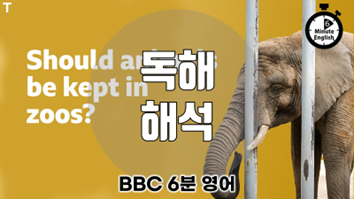
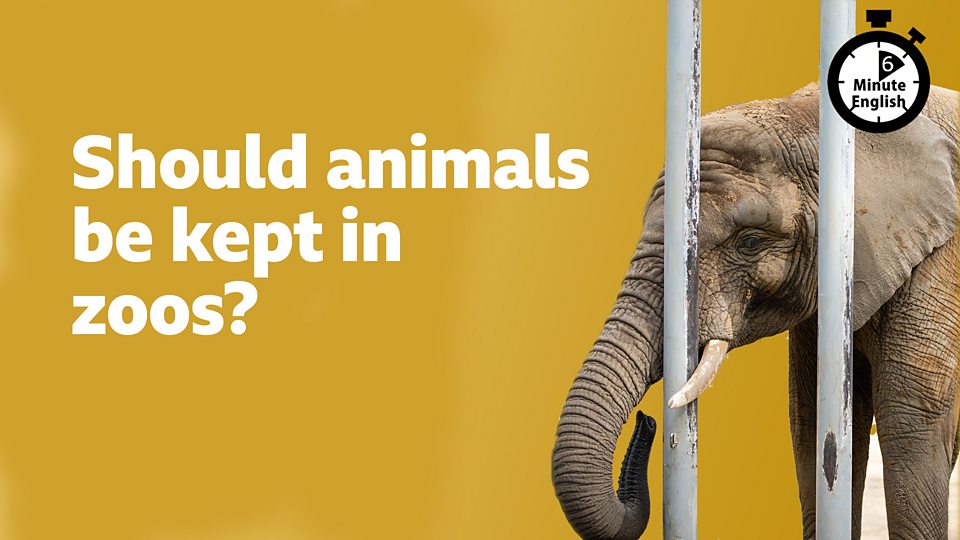
이 자료는 BBC Learning English 코너의 6 Minute English가 매주 재공하는 스크립트를 직역한 것입니다. 이번 주 스크립트의 주제는 'Should animals be kept in zoos?' 입니다.
해석은 철저하게 직역하였습니다. 관계사절 등의 절이나 긴 부정사, 동명사구, 삽입구 등은 이해를 위해 []를 사용해 묶었습니다. 이 글의 목적은 번역이 아니라 원문을 영어적으로 이해하는 것이기 때문입니다.
[본문] [01] Hello.
[직역] 안녕(하세요)
[본문] [02] This is 6 Minute English from BBC Learning English.
[직역] 여기는 BBC 학습 영어의 6분 영어입니다
[본문] [03] I'm Neil.
[직역] 나는 닐입니다
[본문] [04] And I'm Georgie.
[직역] 그리고 나는 조지입니다
[본문] [05] In this programme we're discussing a controversial topic that often produces strong feelings: should animals be kept in zoos?
[직역] 이 프로그램에서 우리는 종종 센 느낌을 만들어 내는 논란이 많은 주제를 토론할 것입니다. (즉,) 동물들은 동물원 안에 머물게 해야만 합니까?
[본문] [06] What's your opinion on this debate, Neil?
[직역] 닐, 이 논란에서 무엇이 당신의 의견입니까?
[본문] [07] Oh, it's a really difficult question, Georgie.
[직역] 아 죠지 그것은 진짜로 어려운 질문입니다.
[본문] [08] I think there are good scientific reasons for having animals in zoos, but also, it seems to me a little bit sad and cruel for wild animals to be locked up.
I think {that} there are good scientific reasons for having animals in zoos, but also, it seems to me a little bit sad and cruel for wild animals to be locked up.
[직역] 나는 [동물들을 동물원에 있게 하는 좋은 과학의 이유가 있다] (라고) 생각합니다. 그리고 또한 나에게는 〈야생 동물들이 가두어져 있는 것〉이 조금은 슬프고 잔인한 것처럼 보입니다
[본문] [09] For some, zoos are a good way to teach people about nature and save endangered species from extinction.
For some, zoos are a good way ①to teach people about nature and ②save endangered species from extinction.
[직역] 몇몇 사람들에게 동물원은 〈사람들에게 자연에 관해 가르치고〉 (그리고) 〈멸종 위기에 처한 종(種)들을 멸종으로부터 구하는〉 좋은 방법입니다.
[본문] [10] Others think separating animals from their natural habitat is cruel and unnecessary.
Others think {that} separating animals from their natural habitat is cruel and unnecessary.
[직역] 다른 사람들은 [〈동물들을 그들의 자연의 서식지로부터 분리하는 것〉이 잔인하고 불필요하다] (라고) 생각합니다
[본문] [11] Either way, with an estimated 700 million visitors every year, zoos remain popular - but are they a good thing?
[직역] 어느 쪽이든 해마다 추산되는 100 밀리온의 방문객으로 동물원은 여전히 인기 있습니다. 그러나 그것들이 좋은 것입니까?
[본문] [12] We'll be debating the pros and cons, as well as learning some useful new words and phrases.
[직역] 우리는 〈몇몇의 도움이 되는 새로운 단어와 구를 배우는 것에 더하여〉 프로스앤콘을 논의할 것입니다.
[본문] [13] And remember you can find all the vocabulary for this programme on our website, bbclearningenglish.com.
And remember {that} you can find all the vocabulary for this programme on our website, bbclearningenglish.com.
[직역] 그리고 [당신이 이 프로그램의 모든 어휘를 우리의 웹사이트인 bbclearningenglishcom에서 찾을 수 있다] (라는 것을) 기억하십시오.
[본문] [14] Now, I have a question for you, Georgie.
[직역] 이제 죠지, 나는 당신에게 질문합니다.
[본문] [15] In 2022, five animals escaped from Sydney's Taronga Zoo in Australia, but were the escaped animals:
[직역] 2022년에 오스트레일리아 Sydney의 Taronga 동물원에서 5 마리의 동물이 탈출했습니다. 그런데 달아난 동물들은?
[본문] [16] a) elephants b) lions c) zebras
[직역] ⒜ 코끼리 ⒝ 사자 ⒞ 얼룩말
[본문] [17] Hmm.
[직역] 흠
[본문] [18] I can imagine zebras running away from the zoo.
[직역] 나는 얼룩말이 동물원에서 달아났다고 상상할 수 있습니다.
[본문] [19] OK.
[직역] 오케이
[본문] [20] We'll find out the answer at the end of the programme.
[직역] 우리는 이 프로그램의 말미에서 답을 알아볼 것입니다
[본문] [21] Reporter William Lee Adams has been investigating the arguments for and against keeping animals in zoos with BBC World Service programme, What in the World.
[직역] William Lee Adams 기자는 비비씨 월드 서비스 프로그램 world에 동물들을 동물원에 가두는 것에 찬성 또는 반대하는 논쟁을 살피고 있습니다.
[본문] [22] Here he gives two arguments in favour of zoos:
[직역] 여기에서 그는 동물원에 찬성하는 2개의 논거를 보여줍니다
[본문] [23] Education is the primary reason that zoos give for why they should exist.
Education is the primary reason that zoos give for {the reason} why they should exist.
[직역] 교육은 [동물원이 [그들이 왜 존재해야만 하는지]에 대해 주는] 주요한 이유입니다.
[본문] [24] The fact is school children all over the world are often bussed to zoos.
The fact is {that} school children all over the world are often bussed to zoos.
[직역] 사실은 [전 세계에 걸쳐 있는 학교 아이들이 종종 동물원에 버스로 다녀온다] (라는 것)입니다.
[본문] [25] I remember myself going to see lowland gorillas at Zoo Atlanta every single year, and the point of this was to introduce us to conservation.
[직역] 나는 나 스스로가 1년 마다 동물원 Atlanta로 저지대 고릴라를 보러 간 것을 기억합니다. 그리고 이 점이 우리에게 보존을 소개할 수 있습니다.
[본문] [26] One argument for keeping animals in zoos is to educate people about the importance of conservation: the protection of plants, animals and the natural world from human damage.
[직역] 〈동물들을 동물원에서 기르는 것에 찬성하는〉 하나의 논거는 보호의 중요성을 사람들에게 가르치는 것입니다. (즉,) 식물과 동물 그리고 자연세계를 사람들의 훼손에서 보호(하는 것)입니다
[본문] [27] A second point is that zoos often invest in research programmes that help endangered animals.
[직역] 두 번째 포인트는 [[동물원이 종종 멸종 위기에 처한 동물들을 돕는] 연구프로그램에 투자한다] 라는 것입니다.
[본문] [28] Now as we know, pandas are notoriously reluctant to mate: the female pandas have a narrow window of fertility, they're solitary creatures and it takes two to tango when it comes to reproduction.
[직역] 이제 우리가 아는 바와 같이, 판다는 짝짓기를 하는 것을 악명 높게 주저합니다. 암컷 판다는 생식력에 짧은 시간을 갖고 있습니다. 그들은 고독한 생물입니다. 그리고 그것은 생식이라면 혼자서는 할 수 없는 일입니다.
[본문] [29] But a lot of money in zoos - it goes to, sort of, find ways to encourage these animals to mate.
[직역] 그러나 동물원에는 많은 돈(이 있습니다.) 그것은 어느 정도, 〈이러한 동물들이 짝짓기를 하도록 부추길 수 있는〉 방법을 찾아 갑니다
[본문] [30] A second argument is that zoos protect endangered species from extinction through breeding.
[직역] 두번째의 논거는 [동물원이 사육하는 것을 통해 멸종으로부터 멸종 위기에 처한 종(種)들을 보호한다] 라는 것입니다.
[본문] [31] William mentions pandas, animals which are reluctant, meaning slow and unwilling, to reproduce.
[직역] 윌리엄은 [번식하는 것을 주저하는] 동물인, 판다를 언급합니다. (reluctant는) 느리고 꺼리다 라는 의미입니다.
[본문] [32] Male and female pandas need a little help to make babies, and zoos can provide this help.
[직역] 수컷과 암컷 판다는 새끼를 만드는 데에 약간의 도움을 필요로 합니다. 그리고 동물원은 이러한 도움을 줄 수 있습니다.
[본문] [33] William uses the idiom, it takes two to tango, to describe an activity which needs two people, or in this case two pandas, to be willing to make something a success.
[직역] 윌리엄은 [무언가를 성공으로 기꺼이 만들게 하는 두 사람 또는 이번 경우에는 두 마리의 판다를 필요로 하는] 움직임을 풀어 말하려고 'it takes two to tango' 라는 관용구를 사용합니다.
[본문] [34] Now, let's turn to some of the arguments against zoos with Nikita Dhawan, a 19-year-old animal-rights activist from India, who spoke to BBC World Service programme, What in the World:
[직역] 이제 인도 출신의 19살의 동물 보호 운동가인 Nikita Dhawan과 함께 동물원에 반대하는 몇몇의 논쟁으로 바꾸어 봅시다. 그런데 그녀는 비비씨 월드 서비스 프로그램 world에 이야기했습니다.
[본문] [35] I don't think zoos should exist for several reasons, the first one being zoos' detrimental impact on both the physical and psychological health of animals.
I don't think {that} zoos should exist for several reasons, the first one being zoos' detrimental impact on both the physical and psychological health of animals.
[직역] 나는 [여러 이유 때문에 동물원이 존재해서는 안된다] (라고) 생각합니다. 첫번째는 동물의 육체적 그리고 정신적 건강 둘 다에 관한 동물원들의 해로운 영향이 있다는 것(입니다)
[본문] [36] Many studies and research have shown that many animals in zoos and aquariums display abnormal behaviours like head-bobbing, pacing, stereotypical behaviours, signs of mental distress.
[직역] 많은 연구와 조사는 [동물원과 수족관에 있는 많은 동물들이 〈헤드 보빙, 걸음으로 재기, 틀에 박힌 짓거리, 정신적인 고통의 조짐들과 같은〉 비정상적인 행동을 드러낸다] 라는 것을 보여 주어 왔습니다.
[본문] [37] The second reason, I would say, is that zoos cannot mimic the natural habitat of animals in the wild.
[직역] 내가 말하고자 하는 두번째의 이유는 [동물원은 자연에 있는 동물들의 자연의 서식지를 흉내 낼 수 없다] 라는 것입니다.
[본문] [38] Nikita argues that being enclosed in a zoo is so stressful for wild animals it leads to abnormal behaviour: behaviour that is different, and worse, from what would normally be expected.
Nikita argues that being enclosed in a zoo is so stressful for wild animals {that} it leads to abnormal behaviour: behaviour that is different, and worse, from what would normally be expected.
[직역] Nikita는 [〈동물원 안에 에워싸져 있는 것〉이 [그것이 비정상적인 행동으로 이끌 정도로,] 들짐승에게는 아주 스트레스가 많다] 라는 것을 주장합니다. (즉, abnormal behaviour는) [[보통 예상되는 것]과 다르고 보다 안 좋은] 행동입니다.
[본문] [39] Examples of this include animals pacing their cages in circles and rocking, bar-biting, and even self-harm.
[직역] 이런 것들의 사례는 〈원을 그리며 그들의 우리를 걸으면서 마구 뒤흔드는 동물들, 막대를 물어뜯는 것 그리고 심지어 자해하는 것들을〉 포함합니다.
[본문] [40] And they're so common in captive animals, there's a name for it: zoochosis.
[직역] 그리고 그러한 것들은 사로잡힌 동물들 안에서는 아주 흔합니다. 그것에 관한 이름이 있는 데, (즉,) 동물원병(입니다)
[본문] [41] Even zoos with large enclosures cannot fully mimic, or copy, the natural habitats and open spaces these animals would enjoy in the wild.
Even zoos with large enclosures cannot fully mimic, or copy, the natural habitats and open spaces {which/that} these animals would enjoy in the wild.
[직역] 심지어 아주 큰 울타리가 있는 동물원들은 [이러한 동물들이 야생에서 즐길 수도 있는] 자연의 서식지와 열린 공간을 완전히 흉내를 내거나 복사할 수 없습니다.
[본문] [42] And imagine how a polar bear, evolved for life in the frozen Arctic, would feel, trapped in a zoo in a much warmer country.
[직역] 그리고 [〈얼어붙은 북극에서 죽을 때까지 진화되어 왔던,〉 〈훨씬 더 따스한 나라에 있는 동물원에 갇힌〉 북극곰이 어떻게 느낄 것인지를] 상상해 보십시오.
[본문] [43] Some zoologists have compared zoochosis to human traumas like post-traumatic stress disorder but say it's even more damaging.
[직역] 몇몇의 동물학자들은 동물원 병과 외상 후 스트레스 장애와 같은 사람의 트라우마와 비교합니다. 그러나 [(그들은) 그것은 심지어 보다 더 나쁜 영향을 준다] (라고) 말합니다.
[본문] [44] For captive animals, everything - including the air they breathe - is traumatic.
For captive animals, everything - including the air {which/that} they breathe - is traumatic.
[직역] 사로잡힌 동물들에게, 〈그들이 호흡하는 공기를 포함하여〉 모든 것은 트라우마를 일으킬 정도입니다.
[본문] [45] We've heard a few arguments for and against keeping animals in zoos.
[직역] 우리는 동물들을 동물원에 가두어 두는 것에 찬성 또는 반대하는 약간의 논쟁을 들었습니다
[본문] [46] What do you think, Neil?
[직역] 닐, 어떻게 생각하십니까?
[본문] [47] Have you changed your opinion at all?
[직역] 어쨌든 당신은 당신의 의견을 바꾸었습니까?
[본문] [48] Well, I think there are really strong arguments on both sides, so I'm still not sure, Georgie.
Well, I think {that} there are really strong arguments on both sides, so I'm still not sure, Georgie.
[직역] 그래요, 나는 [진짜로 강한 논쟁이 양 쪽에 있다] (라고) 생각합니다. 그래서 나는 여전히 확신하지 못합니다, 죠지.
[본문] [49] Well, we know how some of the animals at the Sydney Zoo felt about things because they managed to escape!
[직역] 그래요 우리는 [Sydney 동물원에서 동물들이 몇몇의 형편에 관해 어떻게 느꼈는지]를 압니다. 왜냐하면 그들이 용케도 달아났기 때문입니다.
[본문] [50] But what was the answer to your question, Neil?
[직역] 그러나 닐, 당신의 질문에 대한 답은 무엇입니까?
[본문] [51] Well, Georgie, I asked you which animals escaped from a zoo in Sydney, Australia, in 2022.
[직역] 그래요 죠지, 나는 당신에게 [2022년에 오스트레일리아 Sydney에 있는 동물원에서 어떤 동물들이 달아났는지]를 물었습니다.
[본문] [52] Was it a) elephants, b) lions, or c) zebras?
[직역] 그것은 ⒜ 코끼리, ⒝ 사자, 아니면 ⒞ 얼룩말?
[본문] [53] And I said zebras.
[직역] 그리고 나는 얼룩말을 말했습니다.
[본문] [54] I'm afraid that was the wrong answer.
[직역] 나는 [그것이 틀린 대답이다] (라고) 걱정합니다.
[본문] [55] It was actually lions - how scary!
[직역] 그것은 실제로는 사자였습니다. 얼마나 무서웠을까요?
[본문] [56] OK.
[직역] 오케이
[본문] [57] It's time to recap the vocabulary we've learned.
[직역] 우리가 배워온 낱말들을 요약할 시간입니다
[본문] [58] Conservation is the protection of plants, animals and the natural world from human harm.
[직역] Conservation은 인간의 훼손에서 식물과 동물 그리고 자연세계의 보호입니다.
[본문] [59] If you are reluctant to do something, you don't want to do it, or you do it very slowly.
[직역] 만약 당신이 무언가를 하는 것에 reluctant 하면, 당신은 그것을 하고 싶지 않거나 또는 당신은 그것을 매우 느리게 합니다.
[본문] [60] The idiom, it takes two to tango, refers to an activity which needs two people to willingly and actively take part for it to succeed.
[직역] 'it takes two to tango' 라는 관용구는 [성공하기 위해 자진해서 그리고 활발히 그것에 참여하는 두 사람을 필요로 하는] 움직임을 나타냅니다.
[본문] [61] The adjective, abnormal, means different from what would normally be expected, in a bad way.
[직역] abnormal이라는 형용사는 안 좋은 방식으로 [보통 예상될 수 있는 것]과 다르다 라는 의미입니다.
[본문] [62] Zoochosis is a term to describe the repeated, purposeless behaviour performed by captive animals in response to the stress of being confined, including pacing, head-bobbing and swaying.
[직역] Zoochosis(동물원 병)은 갇혀 있는 것의 스트레스에 반응하여 사로잡힌 동물에 의해 수행되는 걸음으로 재기, 헤드 보빙 그리고 흔드는 것을 포함하여 되풀이 되고 아무 목적 없는 행동을 말하는 용어입니다
[본문] [63] And finally, if you mimic somebody or something, you imitate it or copy it.
[직역] 그리고 마지막으로 만약 당신이 누군가 또는 무언가를 mimic 하면, 당신은 그것을 모방하거나 또는 그것을 복사합니다.
[본문] [64] Once again, our six minutes are up, but don't forget we have a worksheet and a quiz that you can use to practise the vocabulary from this episode.
[직역] 한 번 더 우리의 6 분이 다 되었습니다. 그러나 [[이 에피소드에 나온 어휘를 연습하기 위해 당신이 사용할 수 있는] 워크시트와 퀴즈를 우리가 가지고 있다] (라는 것을) 잊지 마십시오.
[본문] [65] Visit bbclearningenglish.com.
[직역] bbclearningenglishcom을 방문해 주세요.
[본문] [66] Goodbye for now.
[직역] 이제 안녕.
[본문] [67] How do you feel about zoos?
[직역] 동물원에 대해 어떻게 생각하세요?
[본문] [68] Some think they are important for education and scientific research; others think they are cruel.
[직역] 몇몇 사람들은 [그것들이 교육과 과학 연구에 중요하다] (라고) 생각합니다. 다른 사람들은 [그것들이 고통스럽다] 라고 생각합니다.
[본문] [69] Neil and Georgie discuss this and teach you some new vocabulary.
[직역] 닐과 죠지는 이것을 논의합니다. 그리고 당신에게 몇몇의 새로운 어휘를 가르칩니다.
pdf 파일은 이곳을 클릭하세요.
https://softca.tistory.com/3174을 클릭하세요.
이 블로그에는 [BBC 6분 영어와 관련하여 매주 다음과 같은 글들이 게시 됩니다
- 단어공부(금주 대본에 나온 주요 어휘) https://wordstudy.tistory.com/1263
- 멀티단어공부(금주 대본에 사용된 멀티단어(구동사, 숙어) 간단 정리) https://softca.tistory.com/3175
- 독해공부(금주 대본의 문장별 해석(직역) 자료) 이 글입니다
- 문장별 문법공부(문장별 문법 설명) 이 글의 포스팅 시점에는 아직 작성되지 않았습니다.
- 금주의 어휘(금주 대본에 나온 금주의 어휘를 집중적으로 정리한 자료) 이 글의 포스팅 시점에는 아직 작성되지 않았습니다.
- 항목별 문법공부(금주 대본에 나온 문법을 주제별/항목별로 정리한 자료) 이 글의 포스팅 시점에는 아직 작성되지 않았습니다.
- 금주의 구동사(금주 대본에 사용된 구동사 상세 정리) 이 글의 포스팅 시점에는 아직 작성되지 않았습니다.
- 금주의 PDF(금주의 PDF 및 기타 다운로드 파일) https://softca.tistory.com/3174

아래의 이미지를 클릭하시면 PDF로 된 대본(Script)를 다운받을 수 있습니다.
[영어 문장 공부] 자료를 처음 보시는 분은 아래의 링크를 클릭하셔서 「공부법」을 먼저 보시기를 권장 드립니다.
[영어문장공부] 학습법 보기


