【금주의 주제】
동물원에 대해 어떻게 생각하세요? 몇몇 사람들은 [그것들이 교육과 과학 연구에 중요하다] (라고) 생각합니다. 다른 사람들은 [그것들이 고통스럽다] 라고 생각합니다. 닐과 죠지는 이것을 논의합니다. 그리고 당신에게 몇몇의 새로운 어휘를 가르칩니다.
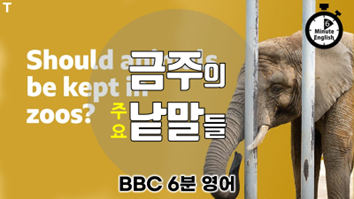
How do you feel about zoos? Some think they are important for education and scientific research; others think they are cruel. Neil and Georgie discuss this and teach you some new vocabulary.
이상은 금주의 BBC Learning 6 Minute English, Should animals be kept in zoos?의 주요 내용입니다.
영어공부할 때 영어 단어 암기는 문장으로 해야 합니다. 이번 주에 6 Minute English가 제시한 새로운 영어단어를 문장 속에서 암기해 보세요.
【금주의 영어단어】
금주의 단어; conservation, reluctant, it takes two to tango, abnormal, zoochosis, mimic
[1]: conservation
[설명(E)]: the protection of plants, animals and the natural world from damage done by humans
[설명(K)]: 인간에 의한 피해로부터 식물과 동물 그리고 자연세계의 보호
[관련문장]:
[26] One argument for keeping animals in zoos is to educate people about the importance of conservation: the protection of plants, animals and the natural world from human damage.
하나의 / 논거는 / 기르는 것에 찬성하는 / 동물들을 / 동물원에서 / 가르치는 것입니다 / 사람들에게 / 중요성을 / 보호의 / 보호(하는 것)입니다 / 식물과 / 동물 / 그리고 / 자연세계를 / 사람들의 / 훼손에서
[25] I remember myself going to see lowland gorillas at Zoo Atlanta every single year, and the point of this was to introduce us to conservation.
나는 / 기억합니다 / 나 스스로가 / 간 것을 / 보러 / 저지대 고릴라를 / 동물원 / Atlanta로 / 1년 마다 / 그리고 / 이 점이 / 소개할 수 있습니다 / 우리에게 / 보존을
[58] Conservation is the protection of plants, animals and the natural world from human harm.
Conservation은 / 보호입니다 / 식물과 / 동물 / 그리고 / 자연세계의 / 인간의 / 훼손에서
[관련단어]: conservation noun ★★[4155] from [씨앗말] conservation 《 serv(지켜보다)
[영한] ① (자연 환경) 보호 ② (유적 등의) 보존 ③ (자원 등을 보호하기 위한) 관리
[영영] Conservation is saving and protecting the environment.
[굴절형] 셀 수 없는 명사
[유의어] conservancy
[구성단어] conserve + ation
[어근] ⑴ con(com); 함께, with, together ⑵ serv(servar); 보존, keep ⑶ ation(ion); 명사 어미
[파생] conservable, conservation, conservational, conservationist, conservative, conservatively, conservativeness, conserve
[2]: reluctant
[설명(E)]: not willing, and therefore hesitant, to do something
[설명(K)]: 무언가를 하고싶지 않은, 그래서 그것을 하기를 주저하는
[관련문장]:
[59] If you are reluctant to do something, you don't want to do it, or you do it very slowly.
만약 / 당신이 / reluctant 하면 / 무언가를 하는 것에 / 당신은 / 하고 싶지 않거나 / 그것을 / 또는 / 당신은 / 합니다 / 그것을 / 매우 / 느리게
[31] William mentions pandas, animals which are reluctant, meaning slow and unwilling, to reproduce.
윌리엄은 / 언급합니다 / 판다를 / 동물인 / 주저하는 / 라는 의미입니다 / (reluctant는) 느리고 / 꺼리다 / 번식하는 것을
[28] Now as we know, pandas are notoriously reluctant to mate: the female pandas have a narrow window of fertility, they're solitary creatures and it takes two to tango when it comes to reproduction.
이제 / 우리가 아는 바와 같이 / 판다는 / 악명 높게 / 주저합니다 / 짝짓기를 하는 것을 / 암컷 / 판다는 / 짧은 시간을 갖고 있습니다 / 생식력에 / 그들은 / 고독한 / 생물입니다 / 그리고 / 그것은 / 혼자서는 할 수 없는 일입니다 / 생식이라면
[관련단어]: reluctant adj. △[8479] from [씨앗말] reluctant(맞서 싸우다)
[영한] 꺼리는, 마지못한, 주저하는
[영영] If you are reluctant to do something, you are unwilling to do it and hesitate before doing it, or do it slowly and without enthusiasm.
[유의어] unwilling
[어근] ⑴ re; 다시, 거꾸로, again ⑵ luct; 싸우다, 씨름하다 ⑶ ant; 형용사 어미
[어원] 《라틴어 reluctari》 맞서 싸우다, 저항하다, 반대하다
[파생] reluctance, reluctancy, reluctantly, reluctant
[3]: it takes two to tango
[설명(E)]: (idiom) used to emphasise that an activity needs two people who are willing to be actively involved for it to succeed
[설명(K)]: 그것이 성공하기 위해 적극적으로 참여할 의사가 있는 행위가 두 사람이 필요하다 라는 것을 갈조하기 위해 사용된
[관련문장]:
[60] The idiom, it takes two to tango, refers to an activity which needs two people to willingly and actively take part for it to succeed.
관용구는 / 'it takes two to tango' 라는 / 나타냅니다 / 움직임을 / 필요로 하는 / 두 / 사람을 / 자진해서 / 그리고 / 활발히 / 참여하는 / 그것에 / 성공하기 위해
[28] Now as we know, pandas are notoriously reluctant to mate: the female pandas have a narrow window of fertility, they're solitary creatures and it takes two to tango when it comes to reproduction.
이제 / 우리가 아는 바와 같이 / 판다는 / 악명 높게 / 주저합니다 / 짝짓기를 하는 것을 / 암컷 / 판다는 / 짧은 시간을 갖고 있습니다 / 생식력에 / 그들은 / 고독한 / 생물입니다 / 그리고 / 그것은 / 혼자서는 할 수 없는 일입니다 / 생식이라면
[33] William uses the idiom, it takes two to tango, to describe an activity which needs two people, or in this case two pandas, to be willing to make something a success.
윌리엄은 / 사용합니다 / 관용구를 / 'it takes two to tango' 라는 / 풀어 말하려고 / 움직임을 / 필요로 하는 / 두 / 사람 / 또는 / 이번 경우에는 / 두 마리의 / 판다를 / 기꺼이 / 만들게 하는 / 무언가를 / 성공으로
[관련단어]: take two to tango verb
[영한] ① (손바닥도) 마주쳐야 소리가 나다 ② 혼자서는 할 수 없는 일이다 ③ 탱고에는 두 사람이 필요하다
[4]: abnormal
[설명(E)]: different from what would normally be expected, in a bad way
[설명(K)]: 보통 예상될 수 있는 것과 다른, 나쁜 방식으로
[관련문장]:
[38] Nikita argues that being enclosed in a zoo is so stressful for wild animals it leads to abnormal behaviour: behaviour that is different, and worse, from what would normally be expected.
Nikita는 / 주장합니다 / 라는 것을 / 있는 것이 / 에워싸져 / 동물원 안에 / 아주 / 스트레스가 많다 / 들짐승에게는 / 그것이 / 이끌 정도로 / 비정상적인 / 행동으로 / 행동입니다 / 다르고 / 보다 안 좋은 / 것과 / 보통 / 예상되는
[36] Many studies and research have shown that many animals in zoos and aquariums display abnormal behaviours like head-bobbing, pacing, stereotypical behaviours, signs of mental distress.
많은 / 연구와 / 조사는 / 보여 주어 왔습니다 / 라는 것을 / 많은 / 동물들이 / 동물원과 / 수족관에 있는 / 드러낸다 / 비정상적인 / 행동을 / 헤드 보빙 / 걸음으로 재기 / 틀에 박힌 짓거리 / 조짐들과 같은 / 정신적인 / 고통의
[61] The adjective, abnormal, means different from what would normally be expected, in a bad way.
형용사는 / abnormal이라는 / 라는 의미입니다 / 다르다 / 보통 / 예상될 수 있는 것과 / 안 좋은 / 방식으로
[관련단어]: abnormal adj. ☆[5946] from [씨앗말] abnormal(ab+n) 《 norm(규칙)
[영한] 비정상적인
[영영] Someone or something that is abnormal is unusual, especially in a way that is worrying.
[유의어] irregular
[반의어] normal(비정상적이다)
<명사> 정신 이상자.
[구성단어] ab + normal
[어근] ⑴ ab; 분리, off ⑵ norm; 규칙, rule, pattern ⑶ al; …한 (형용사어미)
[어원] 《라틴어 abnormis》 ab+norma;
[최초 의미] not conformed or conforming to rule, deviating from a type or standard, contrary to system or law, irregular, unnatural
[파생] abnormal, abnormality, abnormally, abnormalness, abnormity
[5]: zoochosis
[설명(E)]: repeated, purposeless behaviour performed by captive animals in response to the stress of being confined, including pacing, head-bobbing and swaying
[설명(K)]: 발걸음으로 재기, 헤드 보빙 그리고 흔들기를 포함하는 행동이 제한된 것의 스트레스에 반응하여 포획된 동물에 의해 수행되는 반복되고 목적없은 행위.
[관련문장]:
[40] And they're so common in captive animals, there's a name for it: zoochosis.
그리고 / 그러한 것들은 / 아주 / 흔합니다 / 사로잡힌 / 동물들 안에서는 / 있는 데 / 이름이 / 그것에 관한 / 동물원병(입니다)
[62] Zoochosis is a term to describe the repeated, purposeless behaviour performed by captive animals in response to the stress of being confined, including pacing, head-bobbing and swaying.
Zoochosis(동물원 병)은 / 용어입니다 / 말하는 / 되풀이 되고 / 아무 목적 없는 / 행동을 / 수행되는 / 사로잡힌 / 동물에 의해 / 스트레스에 반응하여 / 갇혀 있는 것의 / 걸음으로 재기 / 헤드 보빙 / 그리고 / 흔드는 것을 포함하여
[43] Some zoologists have compared zoochosis to human traumas like post-traumatic stress disorder but say it's even more damaging.
몇몇의 / 동물학자들은 / 비교합니다 / 동물원 병과 / 사람의 / 트라우마와 / 외상 후 스트레스 장애와 같은 / 그러나 (그들은) / 말합니다 / 그것은 / 심지어 / 보다 더 / 나쁜 영향을 준다 (라고)
[관련단어]: zoochosis noun[10000+] from [씨앗말] psychosis 《 psycho(영혼)
[영한] ① 동물원 병 ② (동물이 걸리는)정신적[육체적] 질환, 동물병
[구성단어] zoo + psychosis
[어근] ⑴ zoo; 동물(animal) ⑵ sway; 심리, mind, psyche ⑶ osis; 과정, (병적)상태
[6]: mimic
[설명(E)]: copy or imitate
[설명(K)]: 복사하거나 흉내내는
[관련문장]:
[37] The second reason, I would say, is that zoos cannot mimic the natural habitat of animals in the wild.
두번째의 / 이유는 / 내가 / 말하고자 하는 / 라는 것입니다 / 동물원은 / 흉내 낼 수 없다 / 자연의 / 서식지를 / 동물들의 / 자연에 있는
[41] Even zoos with large enclosures cannot fully mimic, or copy, the natural habitats and open spaces these animals would enjoy in the wild.
심지어 / 동물원들은 / 아주 큰 / 울타리가 있는 / 완전히 / 흉내를 내거나 / 복사할 수 없습니다 / 자연의 / 서식지와 / 열린 / 공간을 / 이러한 / 동물들이 / 즐길 수도 있는 / 야생에서
[63] And finally, if you mimic somebody or something, you imitate it or copy it.
그리고 / 마지막으로 / 만약 / 당신이 / mimic 하면 / 누군가 / 또는 / 무언가를 / 당신은 / 모방하거나 / 그것을 / 또는 / 복사합니다 / 그것을
[관련단어]: mimic verb ☆[5219] from [씨앗말] mimic
[영한] ① (특히 사람들을 웃기려고 남의) 흉내를 내다 ② …처럼 보이다, …을 모방하다[흉내내다]
[영영] If you mimic the actions or voice of a person or animal, you imitate them, usually in a way that is meant to be amusing or entertaining.
[굴절형] mimicked, mimicked, mimicking, mimics
[유의어] imitate(흉내내다), ape(흉내내다)
<명사> 흉내쟁이 <형용사> ① 흉내 내는, 모방의 ② 모조의, 가짜의 ③ 모의(模擬)의
[어근] mimic; mimic
[어원] 《그리스어 mimeisthai》 [from mimos] to mimic, represent, imitate, portray
[최초 의미] act in imitation of
[파생] mimicker, mimicry, mimic
pdf 파일은 이곳을 클릭하세요.
https://softca.tistory.com/3174을 클릭하세요.
이 블로그에는 [BBC 6분 영어와 관련하여 매주 다음과 같은 글들이 게시 됩니다
- 단어공부(금주 대본에 나온 주요 어휘) https://wordstudy.tistory.com/1263
- 멀티단어공부(금주 대본에 사용된 멀티단어(구동사, 숙어) 간단 정리) https://softca.tistory.com/3175
- 독해공부(금주 대본의 문장별 해석(직역) 자료) https://softca.tistory.com/3176
- 문장별 문법공부(문장별 문법 설명) https://softca.tistory.com/3177
- 금주의 어휘(금주 대본에 나온 금주의 어휘를 집중적으로 정리한 자료) 이 글입니다
- 항목별 문법공부(금주 대본에 나온 문법을 주제별/항목별로 정리한 자료) 이 글의 포스팅 시점에는 아직 작성되지 않았습니다.
- 금주의 구동사(금주 대본에 사용된 구동사 상세 정리) 이 글의 포스팅 시점에는 아직 작성되지 않았습니다.
- 금주의 PDF(금주의 PDF 및 기타 다운로드 파일) https://softca.tistory.com/3174

(끝)


