많은 부모들은 [그들의 아이들이 스크린에 너무 많은 시간을 쓴다] 라는 것을 걱정합니다. 예를 들어 영국, 오스트레일리아 그리고 중국과 같이 전세계에 있는 정부들은 아이들의 스크린 타임의 총량을 제한하거나 또는 그들이 소셜 미디어에 접속하는 것을 막는 온라인 안전 조치를 내놓고 있습니다. 닐과 Becca가 그들 자신의 스크린 타임에 대해 이야기하고 그리고 당신에게 몇몇의 새로운 어휘를 가르칩니다.

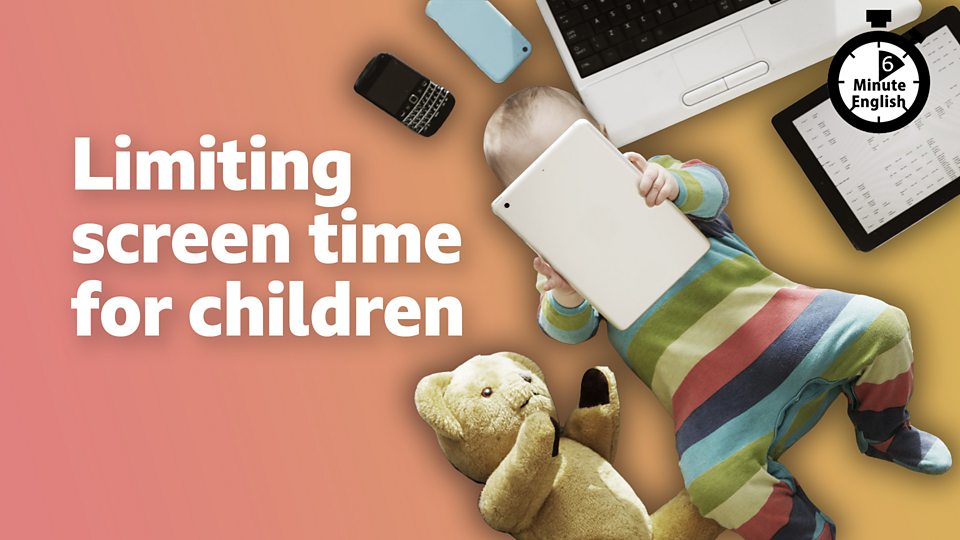
이 자료는 BBC 러닝잉글리시 코너의 6분영어가 매주 재공하는 스크립트를 직역한 것입니다. 이번 주 스크립트의 주제는 'Limiting screen time for children' 입니다.
해석은 철저하게 직역하였습니다. 관계사절 등의 절이나 긴 부정사, 동명사구, 삽입구 등은 이해를 위해 []를 사용해 묶었습니다. 이 글의 목적은 번역이 아니라 원문을 영어적으로 이해하는 것이기 때문입니다.
[본문] [01] Hello, this is 6 Minute English from BBC Learning English.
[직역] 안녕(하세요) 여기는 BBC 학습 영어의 6분 영어입니다 .
[본문] [02] I'm Neil.
[직역] 나는 닐입니다.
[본문] [03] And I'm Becca.
[직역] 그리고 나는 Becca입니다.
[본문] [04] Neil, I've noticed that you're pretty good at not checking your phone at work.
[직역] 닐, 나는 [당신이 근무중에는 당신의 핸드폰을 살펴보지 않으면서 꽤 잘 지내고 있다] 라는 것을 주목해 왔습니다.
[본문] [05] How much time do you spend on your phone outside of work?
[직역] 당신은 근무 시간 외에 당신의 핸드폰에 얼마나 많은 시간을 씁니까?
[본문] [06] Yes, I probably was.
[직역] 아마도 그럴 겁니다.
[본문] [07] You know, Becca, I spend far too much time looking at my phone, and I really don't like it.
[직역] Becca, 당신이 알다시피, 나는 나의 폰을 자세히 살펴보는 것에 너무 너무 많은 시간을 사용하는데, 그런데 나는 그것을 진짜로 좋아하지 않습니다.
[본문] [08] How about you?
[직역] 당신은 어때요?
[본문] [09] I don't think you're alone.
[직역] 나는 당신이 혼자 라고 생각하지 않습니다.
[본문] [10] I also spend way too much time looking at my phone.
[직역] 나 또한 나의 폰을 자세히 살피는 데 꽤 너무 많은 시간을 씁니다.
[본문] [11] Well, Becca, we are both adults, but today we're talking about screen time and children screen time.
[직역] 그래요, Becca, 우리는 둘 다 어른이지만, 그런데 오늘 우리는 스크린 타임과 아이들에 대해 이야기하려고 합니다.
[본문] [12] Screen time - that's how much time you spend using devices like smart phones, tablets and laptops.
[직역] 스크린 타임 즉, 그것은 [당신이 스마트폰, 태블릿 그리고 랩톱과 같은 장비에 얼마나 많이 시간을 사용하는 것에 쓰는 가] 하는 것입니다.
[본문] [13] Yes, and it's a particular worry of many parents that their children spend too much time on these devices.
[직역] 맞아요 그리고 그것은 특별한 [그들의 아이들이 이들 장치에 너무 많은 시간을 쓴다] 라는 많은 부모들의 걱정거리입니다.
[본문] [14] At the end of last year, Australia banned access to social media apps for under 16s, and countries like the UK are considering similar measures.
[직역] 지난 해 말에 호주는 16세 이하 아이들에 대한 소셜 미디어 앱에의 접근을 금지했습니다. 그리고 영국과 같은 나라들이 비슷한 조치를 고민하고 있습니다.
[본문] [15] So, why is this?
[직역] 그런데, 왜 이러지요?
[본문] [16] In this episode, we'll hear from a clinical psychologist and research associate at the University of Cambridge talking about screentime and children.
[직역] 이 에피소드에서 우리는 〈스크린 타임과 아이들에 대해 이야기하는〉 임상 심리학자이지 〈Cambridge 대학교의 연구원〉으로부터 들을 것입니다.
[본문] [17] As usual, we'll be learning some useful new words and phrases.
[직역] 늘 그렇듯이 우리들은 몇몇의 쓸모있는 새로운 단어와 구들을 배울 것입니다.
[본문] [18] And remember, you'll find all this episode's vocabulary, along with a transcript, on our website, bbclearningenglish.com.
[직역] 그리고 기억하십시오 당신은 대본과 함께 이 에피소드의 어휘를 우리의 웹사이트인 bbclearningenglish com에서. 발견할 것입니다.
[본문] [19] But first Neil, I have a question for you.
[직역] 그러나 우선 닐 나는 당신에게 질문이 있습니다.
[본문] [20] According to The UK media regulator, how many children aged three to four have a smartphone?
[직역] 영국의 언론 규제기관에 의하면, 세 살과 네 살난 아이들이 스마트폰을 얼마나 많이 가지고 있습니까?
[본문] [21] Is it:
[직역] 이것입니다.
[본문] [22] a) one in twenty b) one in ten, or c) one in five?
[직역] ⒜ 20명에 1개 ⒝ 10명에 1개, 아니면 ⒞ 다섯 명에 1개?
[본문] [23] Wow.
[직역] 와우.
[본문] [24] Well, I'm going to guess 1 in 20, but I think it's probably more than that.
[직역] 글쎄요, 나는 20명에 1개라고 추측할 것인데요, 그러나 내 생각에 아마도 그것 보다는 많을 듯합니다.
[본문] [25] Well, we'll find out the answer later.
[직역] 그래요 우리는 이후에 답을 찾을 것입니다.
[본문] [26] Dr Emily Goodacre is a research associate at the University of Cambridge.
[직역] Emily Goodacre 박사는 Cambridge 대학교의 연구원입니다.
[본문] [27] Here, she tells Shiona McCallum, presenter of BBC World Service programme, Tech Life, her thoughts on whether we should take away children's screen devices completely.
[직역] 여기에서 그녀는 비비씨 월드 서비스 프로그램 Tech Life의 진행자인 Shiona McCallum에게 [우리가 아이들의 스크린 장치들을 완전히 제거해야만 하는 지 어떤 지]에 관한 그녀의 생각을 말합니다.
[본문] [28] Yeah, I think it's not as much as getting them away from technology but being intentional about how we use technology with children.
Yeah, I think {that} it's not as much as getting them away from technology but being intentional about how we use technology with children.
[직역] 그래요, 나는 [그것은 거의 그들을 과학 기술에서 멀어지게 하는 것이 아니라, [우리가 아이들과 함께 과학 기술을 사용하는] 방식에 관해 의도적이 되는 것이다] (라고) 생각합니다.
[본문] [29] For me, the bar absolutely needs to be higher, and therefore I think about how to design products that think about childhood first and really think about how children at different stages learn and develop and then see if there's a way that technology can enable that.
For me, ⑴the bar absolutely needs to be higher, and ⑵therefore I think about how to design products that think about childhood first and ⑶really think about how children at different stages learn and develop and ⑷then see if there's a way that technology can enable that.
[직역] 나로서는, 장벽은 전적으로 더 높을 필요가 있습니다. 그리고 ⑵그러므로 나는 [어린이들을 우선으로 생각하는] 제품을 설계하는 방식에 관해 생각합니다. 그리고 ⑶각각 다른 단계에 있는 아이들이 배우고 발전하는 방식에 관해 실제로 생각합니다. 그러고는 ⑷[과학 기술이 그것을 가능하게 할 수 있는] 방법이 있는지를 봅니다.
[본문] [30] Emily highlights how, rather than stopping children from using technology, parents need to be more intentional about how their children use it.
[직역] Emily는 [부모들이 〈아이들이 과학 기술을 사용하지 못하도록 막는 것 대신에〉 [그들의 아이들이 그것을 사용하는] 방식에 관해 어떻게 좀 더 의도적일 필요가 있는지]를 강조합니다.
[본문] [31] An intention is a plan or reason to do something.
[직역] intention은 무언가를 하려는 계획 또는 이유입니다.
[본문] [32] So, to be intentional is to act with that plan or reason in mind.
[직역] 그래서 'intentional'이 되는 것은 마음 속에 있는 그러한 계획 또는 이유를 행하는 것입니다.
[본문] [33] It may make you act more carefully as a result.
[직역] 그것은 결과적으로 당신이 좀더 조심스럽게 행동하도록 만들 수도 있습니다.
[본문] [34] Emily also says the bar needs to be higher.
Emily also says {that} the bar needs to be higher.
[직역] Emily는 또한 [장벽이 좀더 높을 필요가 있다] (라고) 말합니다.
[본문] [35] The idiom the bar is low means that the standards, expectations, or requirements are minimal and very easy to meet.
[직역] 'the bar is low'라는 관용어는 [기준, 기대, 또는 요건이 최소이고 그래서 맞추기가 매우 쉽다] 라는 것을 의미합니다.
[본문] [36] Therefore, she believes that the bar needs to be higher - parents need to make their expectations higher.
[직역] 그러므로 그녀는 'the bar needs to be higher' 라는 것을 믿습니다. (즉,) 부모들은 그들의 기대를 좀더 높게 만들 할 필요가 있습니다.
[본문] [37] They need to think or act more carefully when considering how much time children spend with technology.
[직역] [얼마나 많은 시간을 아이들이 과학 기술에 쓰는지]를 고려한다면, 그들은 좀더 조심스럽게 생각하거나 또는 행동할 필요가 있습니다.
[본문] [38] You might also hear people say set the bar higher or lower.
You might also hear {that} people say set the bar higher or lower.
[직역] 당신은 또한 [사람들이 'set the bar higher or lower'라고 말한다] (라는 것을) 들을 수도 있습니다.
[본문] [39] Emily believes that being more intentional and setting the bar higher will enable children to learn and develop alongside technology.
[직역] Emily는 [〈좀더 의도적으로 있는 것과 장벽을 더 높게 설정하는 것〉이 아이들이 과학 기술과 함께 배우고 발전하도록 가능하게 할 것이다] 라는 것을 믿습니다.
[본문] [40] If you enable something, you encourage somebody's ability to do something, or to make something possible.
[직역] 만약 당신이 무언가를 가능하게 하면, 당신은 어떤 사람의 능력을 부추기거나, 무언가 아니면 무언가가 가능하게 만듭니다.
[본문] [41] Now let's hear Dr Becky Kennedy, a clinical psychologist and founder of an online parenting platform, talking about how parents feel about tech and children, for BBC World Service programme, Tech Life:
[직역] 이제 〈[부모들이 기술과 아이들에 어떻게 느끼는지]에 관해 비비씨 월드 서비스 프로그램 Tech Life에 이야기하는,〉 임상 심리학자이자 온라인(의) 육아 플랫폼의 창립자인 Becky Kennedy 박사로부터 들어 봅시다.
[본문] [42] I find parents are very, very eager to understand what's really happening around technology in kids and then have practical, realistic things they can do in their home to make little shifts that feel better.
I find {that} ⑴parents are very, very eager to understand what's really happening around technology in kids ⑵and then (parents) have practical, realistic things {which/that} they can do in their home to make little shifts that feel better.
[직역] 나는 [부모들이 [아이들 속에 있는 과학 기술 근처에 실제로 무슨 일이 있어나고 있는지]를 아주 매우 이해하고 싶어하고 그러고는 [그들이 그들의 집에서 [기분이 좋아지는] 작은 변화를 만들게 할 수 있는] 실용적이고, 현실적인 어떤 거를 갖고 싶어한다] (라는 것을) 발견합니다.
[본문] [43] Becky has found that many parents are eager to understand their children's use of technology.
[직역] Becky는 [많은 부모들이 그들의 아이들의 과학 기술의 활용을 이해하고 싶어한다] 라는 것을 발견해 냈습니다.
[본문] [44] Eager is an adjective that describes wanting to do or have something very much.
[직역] Eager는 [무언가를 아주 많이 하고 싶거나 또는 갖고 싶다는 것을 서술하는] 형용사입니다.
[본문] [45] Becky also talks about making little shifts.
[직역] Becky는 또한 작은 변화를 만드는 것에 대해 이야기합니다.
[본문] [46] A shift is a small change.
[직역] shift는 작은 변화입니다.
[본문] [47] It can be used as a verb or a noun.
[직역] 그것은 동사 또는 명사로 사용될 수 있습니다.
[본문] [48] Becky shares an example of a shift that can help parents reduce children's screen time, moving the device somewhere it can't be seen:
Becky shares an example of a shift that can help parents reduce children's screen time, moving the device somewhere {where} it can't be seen:
[직역] Becky는 〈[그것이 보일 수 없는] 어떤 장소로 장치를 옮기는〉 [부모들이 아이들의 스크린 타임을 줄이도록 도울 수 있는] shift의 사례를 공유합니다.
[본문] [49] You can even say to a kid, you know why I moved it?
[직역] 당신은 심지어 아이에게 [있잖아, 내가 왜 그것을 옮겼는지?]를 말할 수 있습니다.
[본문] [50] It's actually because it's a really hard thing for me to expect from you, to see a screen in a room and not want to use it.
[직역] 그것은 실제로 [내가 〈당신이 방에서 스크린을 보면서 그것을 사용하고 싶지 않기를 기대하는 것〉이 진짜로 어려운 것이기] 때문입니다.
[본문] [51] I wasn't setting you up for success.
[직역] 나는 성공을 위해 당신을 준비한 것이 아닙니다.
[본문] [52] Becky explains how it's difficult for children to be expected to reduce their screen time if they can see their device.
[직역] Becky는 [만약 그들이 그들의 장치를 볼 수 있다면, [아이들이 그들의 스크린 타임을 줄이는 것을 기대하는 것]이 얼마나 어려운지]를 설명합니다.
[본문] [53] Having the device in view doesn't set them up for success.
[직역] 보이는 곳에 장치를 가지고 있는 것은 놓다 그들이 성공을 위해 준비하는 것이 아닙니다.
[본문] [54] If you set someone up for something, you prepare them for it.
[직역] 만약 당신이 'set someone up for something' 하면 당신은 그들이 그것을 위하도록 준비합니다.
[본문] [55] Yes.
[직역] 맞아(요).
[본문] [56] For example, earlier, I set Neil up for a shock when I asked him a question about screen time.
[직역] 예를 들어, 앞서 내가 그에게 스크린 타임에 관해 질문하면서, 나는 닐이 쇼크를 받도록 준비했습니다.
[본문] [57] Neil, I asked you, according to The UK media regulator, how many children ages three to four have a smartphone.
[직역] 닐, 영국 언론 규제기관에 의하면, 나는 당신에게 [3살에서 4살의 아이들이 얼마나 많이 스마트폰을 갖고 있는지]를 물었습니다.
[본문] [58] And I said 1 in 20.
[직역] 그리고 나는 20명 중에 하나라고 말했습니다.
[본문] [59] Well, it is in fact, see 1 in 5.
[직역] 글쎄요, 사실 그것은 5명 중 1개입니다.
[본문] [60] Wow.
[직역] 와우.
[본문] [61] I thought it might be more than I said.
[직역] 나는 [그것은 [내가 말한 것] 보다 많을 수도 있다] (라고) 생각합니다.
[본문] [62] Now, let's recap the vocabulary we've learned, starting with intentional.
[직역] 이제 'intentional'로 시작하면서 우리가 배운 적이 있는 낱말들을 살펴봅시다.
[본문] [63] It's an adjective that describes acting with a plan or reason in mind.
[직역] 그것은 [마음 속에서 계획이나 또는 이유를 행동하는 것을 서술하는] 형용사입니다.
[본문] [64] We had the expression he bar needs to be higher.
[직역] 우리는 'the bar needs to be higher' 라는 표현을 갖습니다.
[본문] [65] To set the bar higher is to make your expectations higher.
[직역] 'set the bar higher'는 당신의 기대를 높게 만든다 (라는 뜻입니다).
[본문] [66] We also had enable.
[직역] 우리는 또한 'enable'을 갖습니다.
[본문] [67] This is to encourage someone's ability to do something, or to make something possible.
[직역] 이것은 무언가를 하려고 하거나 또는 무언가를 가능하게 만드는 누군가의 능력을 부추기는 것입니다.
[본문] [68] To be eager is to want to do or have something very much.
[직역] 'be eager'는 아주 많이 무언가를 하거나 갖고 싶은 것입니다.
[본문] [69] A shift is a small change.
[직역] shift는 작은 변화입니다.
[본문] [70] You can also use it as verb with to mean changing something slightly.
[직역] 당신은 또한 그것을 무언가를 약간 바꾸다 라는 의미를 가진 동사로도 사용할 수 있습니다.
[본문] [71] And if you set someone up for something, you prepare them for it.
[직역] 그리고 만약 당신이 'set someone up for something' 하면, 당신은 그것을 위해 그들을 준비합니다.
[본문] [72] Once again, our six minutes are up.
[직역] 한 번 한 번 더 우리의 6분 영어가 끝났습니다.
[본문] [73] If you enjoyed this episode, you'll find a quiz and worksheet to practise the vocabulary we've learnt on our website, bbclearningenglish.com.
[직역] 만약 당신이 이 에피소드를 즐겼다면, 당신은 우리의 웹사이트인 bbclearningenglish com에서 우리가 배운 적이 있는 어휘를 연습할 퀴즈와 워크시트를 발견할 것입니다.
[본문] [74] See you again soon.
[직역] 곧 다시 뵙겠습니다 곧 .
[본문] [75] But for now, it's goodbye.
[직역] 그러나 지금은 안녕입니다 .
[본문] [76] Many parents worry that their children spend too much time on screens.
[직역] 많은 부모들은 [그들의 아이들이 스크린에 너무 많은 시간을 쓴다] 라는 것을 걱정합니다.
[본문] [77] Governments around the world, such as in the UK, Australia and China, are introducing online safety measures to limit the amount of screen time for children or prevent them accessing social media.
[직역] 예를 들어 영국, 오스트레일리아 그리고 중국과 같이 전세계에 있는 정부들은 아이들의 스크린 타임의 총량을 제한하거나 또는 그들이 소셜 미디어에 접속하는 것을 막는 온라인 안전 조치를 내놓고 있습니다.
[본문] [78] Neil and Becca talk about their own screen time and teach you some new vocabulary.
[직역] 닐과 Becca가 그들 자신의 스크린 타임에 대해 이야기하고 그리고 당신에게 몇몇의 새로운 어휘를 가르칩니다.
pdf 파일은 이곳을 클릭하세요.
https://softca.tistory.com/3669을 클릭하세요.
이 블로그에는 [BBC 6분 영어와 관련하여 매주 다음과 같은 글들이 게시 됩니다
- 단어공부(금주 대본에 나온 주요 어휘) https://softca.tistory.com/3670
- 멀티단어공부(금주 대본에 사용된 멀티단어(구동사, 숙어) 간단 정리) https://softca.tistory.com/3671
- 독해공부(금주 대본의 문장별 해석(직역) 자료) 이 글입니다
- 문장별 문법공부(문장별 문법 설명) 이 글의 포스팅 시점에는 아직 작성되지 않았습니다.
- 금주의 어휘(금주 대본에 나온 금주의 어휘를 집중적으로 정리한 자료) 이 글의 포스팅 시점에는 아직 작성되지 않았습니다.
- 항목별 문법공부(금주 대본에 나온 문법을 주제별/항목별로 정리한 자료) 이 글의 포스팅 시점에는 아직 작성되지 않았습니다.
- 금주의 구동사(금주 대본에 사용된 구동사 상세 정리) 이 글의 포스팅 시점에는 아직 작성되지 않았습니다.
- 금주의 PDF(금주의 PDF 및 기타 다운로드 파일) https://softca.tistory.com/3669

아래의 이미지를 클릭하시면 PDF로 된 대본(Script)를 다운받을 수 있습니다.
[영어 문장 공부] 자료를 처음 보시는 분은 아래의 링크를 클릭하셔서 「공부법」을 먼저 보시기를 권장 드립니다.
[영어문장공부] 학습법 보기


