이번주 BBC 러닝잉글리시 - 6분영어가 다룬 문법 관련 이슈 는 관계대명사(5), 문장형식: 5형식(4), 분사(4), that(4), 접속사(2), 명사(2) 등이였습니다. 그 외에 문장부호, 법조동사, 관계부사, 담화, 동사: 글짜임 및 쓰임새, 마디[節, clause], 준동사, it, 삽입 구문, 수동태, 전치사(명사)구 등이 각각 1 건씩 다루어졌습니다.

[본문] [05] Facebook, Twitter, now known as X, and in the early days MySpace used to be places to post messages to friends or share photos of your breakfast.
[설명] 전치사(명사)구(Prepositional Phrase)가 특정한 경우, 시간이나 장소를 나타내는 부사어구는 명사 앞에 위치하여 그 명사를 한정(Pre-modification)할 수 있습니다. 'in the early days'가 초점부사로 명사 앞에서 MySpace를 한정합니다.
[본문] [08] I think it's a man who's supposed to look like Jesus...
[설명] ⑴ 여기서 'I think'는 말을 부드럽게 잇는 담화표지어입니다.
⑵ be suppose to부정사는 당연히 해야 하는 일, 또는 하기로 예정된 일로 실현될 개연성이 높을 때 쓰입니다.
⑶ 『who's supposed to ~』의 who는 한정용법 주격의 관계대명사입니다. 선행(명)사는 'a man'입니다.
[본문] [13] A half-dog, half-Jesus photo is generated by AI and posted online.
[설명] 일반적인 수동태 문장입니다. 동작주는 by의 목적어인 AI입니다.
[본문] [14] It's an example of how the use of AI in social media has evolved so much that today it's hard to know what's created by humans and what's not.
[설명] ⑴ 『how the use of AI ~ what's not』는 how 명사절로 문장성분은 전치사 〈of〉의 목적어입니다.
⑵ 『so much that ~』은 「so 형용사 that」 글짜임으로 that은 부사절을 이끕니다. that절은 앞의 부사사 much를 꾸며줍니다. '~을 알기가 어려울 정도로 ~"
⑶ that 절은 to부정사(구)가 문장의 진짜·주어(眞주어)입니다. 형용사가 보어[補語, complement]일 때 대체로 이러한 글짜임을 갖습니다.
⑷ 「what created by humans ~」 절은 명사절로 문장 성분은 to know의 목적어입니다.
[본문] [18] You mentioned MySpace as one of the earliest social media platforms, but the first electronic message was actually sent much earlier, in 1844, using a series of dots and dashes tapped out by hand on a telegraph wire.
[설명] 『using a series ~』는 분사구문으로 방식(manner)의 쓰임법입니다. 주절의 동작이 어떤 방식으로 또는 어떤 수단으로 행해졌는지를 설명합니다. 「how (어떻게)」의 질문에 답합니다.
[참조 Blog 링크]☞ 분사구문 '방식(manner)' 용법이란?
[본문] [27] Millennial and digital native Kyle Chayka is a writer specialising in social media.
[설명] 『specialising in ~』은 현재분사 글짜임으로 'a writer'를 뒤에서 꾸며 줍니다. 분사 앞에 「주격관계대명사와 be 동사」가 간추려져 있다고 생각할 수 있습니다.
[본문] [30] Kyle, was there a moment for you when you felt like social media changed?
[설명] ⑴ 『when you felt like ~』의 when은 한정용법의 관계부사입니다. 선행(명)사는 「a moment」입니다.
⑵ 『you felt like ~』의 like는 접속사로 as if, as though의 뜻으로 쓰이고 있습니다.
[본문] [32] I mean... In 2015/2016, I think, in the United States, when Twitter became the hub of election discourse, it kind of shattered the illusion that the internet was a space you could go to, just like, have fun and express yourself and find cool friends and discuss the latest cultural happenings.
I mean... In 2015/2016, I think, in the United States, when Twitter became the hub of election discourse, it kind of shattered the illusion that the internet was a space {which/that} you could go to, just like, have fun and express yourself and find cool friends and discuss the latest cultural happenings.
[설명] ⑴ 『that the internet was ~』 절의 접속사 that은 동격의 that입니다. 'the illusion'과 that 명사절은 동격관계에 있습니다.
⑵ 선행(명)사 'a space' 뒤에 목적격 관계대명사 which 또는 that이 생략되어 있습니다.
[본문] [33] Kyle uses the informal expression, "Oh man!" - an exclamation showing excitement or enthusiasm.
[설명] 대시(줄표)는 덧붙여 밝힌 말을 나타냅니다. 대시 이후의 내용은 「Oh man!」을 덧붙여 풀어 줍니다.
[본문] [36] For Kyle, this shattered the illusion that the internet was fun.
[설명] 『that the internet was fun』 절의 접속사 that은 동격의 that입니다. 'the illusion'과 that 명사절은 동격관계에 있습니다.
[본문] [37] If something shatters your illusions, it destroys a false belief you hold, making you realise an unpleasant truth.
If something shatters your illusions, it destroys a false belief {that} you hold, making you realise an unpleasant truth.
[설명] ⑴ 'you hold' 뒤에 명사절을 이끄는 접속사 that이 생략되었습니다. 종속절의 문장성분은 목적어입니다.
⑵ 『making you realise ~』는 '~하면서'의 뜻을 나타내는 분사구문입니다. 주절과 동시 동작을 표현하는 것으로 주로 as 부사절을 분사구문으로 만든 구문입니다.
[참조 링크]☞ 부대(附帶)상황 학말영식 사용법
[참조 링크]☞ 분사구문 부대사황
[참조 링크]☞ 분사구문의 개념과 용법 (천재학습백과 미리보는 중학 영어 문법)
[본문] [39] A cultural happening is an event that embodies the values and interests of a particular group at a particular time in history.
[설명] 『that embodies the values ~』의 that은 관계대명사입니다. 격은 주격이고, 선행(명)사는 'an event'입니다.
[본문] [42] Will the amount of AI-generated content continue to grow?
[설명] 이 월(=文章)의 동사 continue가 to부정사를 목적어로 가져가고 있습니다.
[본문] [44] We see the large social networks and the tech behemoths leaning into generated content, and I think users don't actually want that.
We see the large social networks and the tech behemoths leaning into generated content, and I think {that} users don't actually want that.
[설명] ⑴ 『We see the large social ~』은 지각동사 see의 5형식 글짜임입니다. 'the large social networks and the tech behemoths'가 목적어이고 V-ing인 'leaning into ~'가 목적어 보어[補語, complement]입니다.
⑵ 'and I think' 뒤에 명사절을 이끄는 접속사 that이 생략되었습니다. that절의 문장성분은 목적어입니다.
[본문] [46] So instead, I see people gravitating towards smaller online spaces, connecting more closely with individual voices, like creator types, and just posting less in general.
So instead, I see people ①gravitating towards smaller online spaces, ②connecting more closely with individual voices, like creator types, and ③just posting less in general.
[설명] 이 월(=文章)은 지각동사 see의 5형식 글짜임입니다. people이 목적어이고, 3개의 V-ing 구가 목적어 보어[補語, complement]입니다. see가 원형부정사 대신 V-ing 꼴을 보어로 받는 까닭은 동작을 강조하거나 또는 동명사를 받고 싶어서 입니다.
★ creator types - 창작자 부류, 개인 크리에이터나 인플루언서와 같은 사람들
[본문] [47] Kyle thinks the tech behemoths, meaning large and powerful companies, will continue pushing AI.
[설명] ⑴ 『meaning large and powerful companies』은 삽입구로 앞에 나온 'tech behemoths'를 덭붙여 풀어줍니다.
⑵ 『will continue pushing ~』의 동사 continue는 동명사 pushing을 목적어로 가져오고 있습니다.
[참조 링크]☞ hate, like, love and prefer 동명사와 to부정사 쓸 때의 차이점
[본문] [50] Instead, Kyle thinks people will gravitate towards smaller online communities.
Instead, Kyle thinks {that} people will gravitate towards smaller online communities.
[설명] 'Kyle thinks' 뒤에 명사절을 이끄는 접속사 that이 생략되었습니다. that절의 문장성분은 목적어입니다.
[본문] [53] It's come a long way from the first electronic messages of 1844 which you mentioned in your question, Neil.
[설명] 『which you mentioned ~』의 which는 목적격 관계대명사입니다. 선행(명)사는 'the first electronic messages'입니다.
[본문] [60] To shatter an illusion is to destroy someone's misconceptions, causing them to realise an unpleasant reality.
[설명] ⑴ 『causing them to realise ~』는 분사구문으로 방식(manner)의 쓰임법입니다. 주절의 동작이 어떤 방식으로 또는 어떤 수단으로 행해졌는지를 설명합니다. 「how (어떻게)」의 질문에 답합니다.
⑵ cause가 5형식 글짜임을 만듭니다. 목적어는 them, 목적격보어[補語, complement]는 'to realise ~'입니다.
[참조 Blog 링크]☞ 분사구문 '방식(manner)' 용법이란?
[참조 링크]☞ 5형식 구조: 주어 + 동사 + 목적어 + 목적격 보어
[참조 링크]☞ (영어) 5형식 문형에 대한 이애 (동사의 종류)
[본문] [69] With the rise of generative AI, many social media users are finding their feeds cluttered with content that they feel no real connection with.
[설명] ⑴ 이 월(=文章)은 find 5형식 글짜임입니다. 목적어가 「their feeds」, 목적격보어가 「cluttered with ~」입니다.
⑵ 목적격 관계대명사 that은 글 말미에 떨어져 있는 전치사 〈with〉의 목적어입니다.
pdf 파일은 이곳을 클릭하세요.
https://softca.tistory.com/3474을 클릭하세요.
이 블로그에는 [BBC 6분 영어와 관련하여 매주 다음과 같은 글들이 게시 됩니다
- 단어공부(금주 대본에 나온 주요 어휘) https://softca.tistory.com/3475
- 멀티단어공부(금주 대본에 사용된 멀티단어(구동사, 숙어) 간단 정리) https://softca.tistory.com/3476
- 독해공부(금주 대본의 문장별 해석(직역) 자료) https://softca.tistory.com/3477
- 문장별 문법공부(문장별 문법 설명) 이 글입니다
- 금주의 어휘(금주 대본에 나온 금주의 어휘를 집중적으로 정리한 자료) 이 글의 포스팅 시점에는 아직 작성되지 않았습니다.
- 항목별 문법공부(금주 대본에 나온 문법을 주제별/항목별로 정리한 자료) 이 글의 포스팅 시점에는 아직 작성되지 않았습니다.
- 금주의 구동사(금주 대본에 사용된 구동사 상세 정리) 이 글의 포스팅 시점에는 아직 작성되지 않았습니다.
- 금주의 PDF(금주의 PDF 및 기타 다운로드 파일) https://softca.tistory.com/3474

아래의 이미지를 클릭하시면 PDF로 된 대본(Script)를 다운받을 수 있습니다.
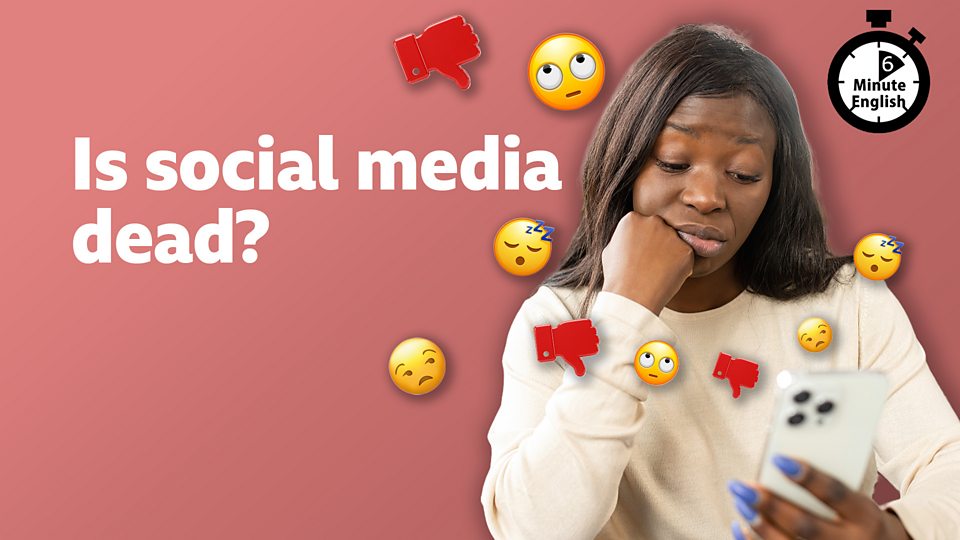
[영어 문장 공부] 자료를 처음 보시는 분은 아래의 링크를 클릭하셔서 「공부법」을 먼저 보시기를 권장 드립니다.
[영어문장공부] 학습법 보기

'BBC 6분영어' 카테고리의 다른 글
| Is social media dead? [BBC 6분 영어] BBC 러닝잉글리시 문법 강좌(항목별) (0) | 2026.01.14 |
|---|---|
| [BBC 영어] 6분영어, 금주의 어휘 - Is social media dead? (0) | 2026.01.14 |
| Is social media dead? - BBC 6분영어 강좌 [영어독해공부] (1) | 2026.01.13 |
| Is social media dead? 6분영어, BBC 러닝잉글리시 강좌 [영어숙어 및 구동사] (0) | 2026.01.12 |
| [BBC 러닝잉글리시 강좌] Is social media dead? - 6분영어 영어단어공부 (0) | 2026.01.12 |


