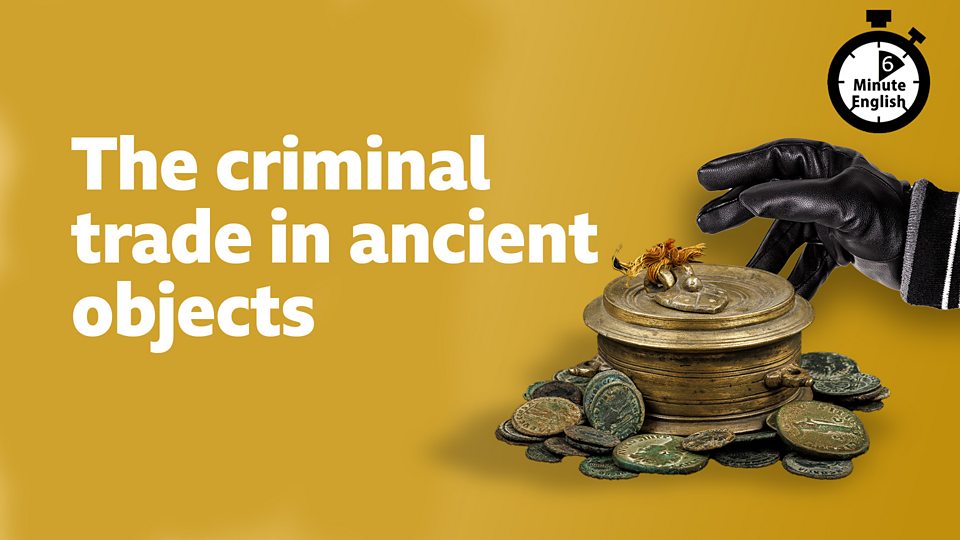
Many of us like to visit museums to see ancient artefacts in person ? it's an exciting way to learn about the history and culture of different civilisations. But did you know that there are criminal networks which steal and trade these ancient objects? Neil and Beth discuss this and teach you some new vocabulary.

이것은 이번 주제의 주요 내용입니다. 영어 단어를 공부할 때 스토리와 함께 공부하면 크게 도움이 됩니다. 다음은 이번 주에 수록된 주요 단어 목록들입니다.
|
abroad adv. ★★★[2648] from [씨앗말] broad(넓은)
[본문] [29]During colonial times, it was common for artefacts to be taken from their original home and moved to museums and private collections abroad.
[영한] ① 해외에(서), 해외로 ② (소문/느낌 등이) 널리 퍼져[떠다녀] ③ (옛글투) 집 밖에
[영영] If you go abroad, you go to a foreign country, usually one which is separated from the country where you live by an ocean or a sea.
<명사> 외국, 해외, 바깥.
[어근] ⑴ a; on ⑵ broad; 넓다, wide
[어원] 《고대 영어 on brede》 in width; at wide"
[최초 의미] widely apart
accompany verb ★★★[2883] from [씨앗말] accompany(take as a companion) 《 pan(빵)
[본문] [67]If you enjoyed this programme, why not check out the accompanying worksheet and quiz?
[영한] ① (사람과) 동반하다, 동행하다 ② (일/현상 등이) 동반되다[딸리다] ③ (특히 피아노로) 반주를 해 주다
[영영] If you accompany someone, you go somewhere with them.
[굴절형] accompanied, accompanied, accompanying, accompanies
[유의어] company(교제하다), go along with
[어근] ⑴ ac(ad); 향하여, 첨가, to ⑵ com; 함께, with ⑶ pan; 빵, bread ⑷ y; 접미어
[어원] 《프랑스말 acompaignier》 [from a-+compaignier《from Late Latin companio》] take as a companion
[파생] accompanier, accompaniment, accomplice, accompany
accusation noun ★★[3882] from [씨앗말] accuse 《 cause(꼬투리)
[본문] [44]accusations of knowingly or unknowingly buying stolen objects have been made against several museums, including the Louvre in Paris.
[영한] 혐의 (제기), 비난, 고발, 기소
[영영] If you make an accusation against someone, you criticize them or express the belief that they have done something wrong.
[굴절형] 복수형; accusations
[유의어] allegation
[구성단어] accuse + ation
[어근] ⑴ ac(ad); to ⑵ cus(caus); a cause; a lawsuit ⑶ ation(ion); 명사어미
[어원] 《라틴어 accusare》 to call to account, make complaint against, reproach, blame; bring to trial, prosecute, arraign indict
[파생] accusation, accusatory, accuse, accuser, accusing, accusingly
adjective noun ★★[3943] from [씨앗말] adject 《 ject(던지다)
[본문] [65]And finally, the adjective middle-of-the-road describes things which are not extreme and are acceptable to most people.
[영한] (문법) 형용사
[영영] An adjective is a word such as `big', `dead', or `financial' that describes a person or thing, or gives extra information about them. Adjectives usually come before nouns or after link verbs.
[굴절형] 복수형; adjectives
<형용사> ① (문법) 형용사의[적인] ② 부수적[종속적]인, [법] (소송) 절차에 관한
[어근] ⑴ ad; 향하여, to ⑵ ject; 던지다, throw ⑶ ive; 형용사 어미
[최초 의미] word used to qualify, limit, or define a noun or noun-like part of speech
[파생] adjectival, adjectively, adjective
afterwards adv. ★★★[3269] from [씨앗말] afterward(지켜보다) 《 ward(지켜보다)
[본문] [8]But soon afterwards, Ryan discovered there was more to the story, as he explains here on BBC World Service programme Business Daily:
[영한] 나중에, 그 뒤에
[영영] If you do something or if something happens afterwards, you do it or it happens after a particular event or time that has already been mentioned.
[구성단어] after + wards
[어근] ⑴ after; 뒤쪽 ⑵ ward; 보호, guard ⑶ s; 명사 어미
[BRIT] 미국영어 ☞ afterward
[어원] 《고대 영어 weard》 지켜보다
antiquities plural n. △[10000+] from [씨앗말] antique 《 ante-(앞)
[본문] [9]But as I researched into other kinds of ancient artefacts I could acquire, I came across reports of expansive criminal networks related to antiquities.
[영한] 유물, 골동품
[영영] plural (noun) of antiquity
[구성단어] antiquity + s
[어근] ⑴ anti(ante); 앞, before ⑵ qu(que); 형용사어미 ⑶ iti(ity); 명사 어미 ⑷ es(s); 복수 어미
[어원] 《라틴어 ante》 앞, 전방에(의), ~에 대응하여
ark noun[10000+] from [씨앗말] ark(chest)
[본문] [24]a) the Rosetta Stone, b) the Mask of Tutankhamun, or c) the ark of the Covenant?
[영한] ark) 성서에 나오는 노아의 방주
[영영] In the Bible, the ark was a large boat which Noah built in order to save his family and two of every kind of animal from the Flood.
[어근] ark(arcan); 상자, 숨기다, box
[어원] 《라틴어 arca》 가슴, 상자, 안전하게 보관하는 곳
artefact noun △[6578] from [씨앗말] fact(만들다)
[본문] [14]An artefact is any object made by humans, usually very old, which is historically interesting - for example, a coin or statue.
[영한] ① (특히 역사적/문화적 의미가 있는) 인공물[가공품] ② 공예품 ③ 인위 구조, 인공 산물 ④ 값싼 대량 생산품, (문명의) 소산
[영영] An artefact is an ornament, tool, or other object that is made by a human being, especially one that is historically or culturally interesting.
[굴절형] 복수형; artefacts
[유의어] artifact
[어근] ⑴ arte(art); 예술, 기술, art ⑵ fact(fac); 만들다, 하다, make
[BRIT] 미국영어 ☞ artifact
[어원] 《라틴어 facere》 만들다, 하다
bottleneck noun △[10000+] from [씨앗말] bottleneck 《 neck(목)
[본문] [33]The bottleneck, if you will, was how does someone who has an item then communicate with someone on the demand side?
[영한] ① (차량 흐름이 느려지는) 좁은[번잡한] 도로, 병목 지역 ② (특히 산업 발전의) 장애물 ③ 보틀넥
[영영] ① a section of road or highway where the traffic moves very slowly
② something that slows down a process
[유의어] jam, congestion, traffic jam, hold-up, gridlock
[구성단어] bottle + neck
[어근] ⑴ bott(butt); 술통, butt ⑵ neck; 목, neck ⑶ le; 지소 어미
[어원] 《고대 영어 hnecca》 목, 목덜미, 목 뒤
buyer noun ★★★[3241] from [씨앗말] buy(to compromise in bartering)
[본문] [39]For someone with illegally stolen artefacts to sell, finding a buyer used to be difficult.
[영한] ① (특히 고액 물품의) 구매자 ② 바이어, (사업적인) 구매자
[영영] A buyer is a person who is buying something or who intends to buy it.
[굴절형] 복수형; buyers
[반의어] seller(구매자), vendor(바이어)
[구성단어] buy + er
[어근] ⑴ buy; 사다, buy ⑵ er; 명사 어미
[어원] 《고대 영어 bycgan》 get by paying for, to compromise in bartering
changer noun △[6735] from [씨앗말] change(물물교환하다)
[본문] [32]Social media is the game changer here.
[영한] ① (흔히 합성어에서) (시디 등의) 체인저 ② (개선하기 위해) 바꾸는 사람[것]
[영영] chang + er
[굴절형] 복수형; changers
[어근] ⑴ chang(change); 교환, barter ⑵ er; 명사 어미
[어원] 《라틴어 cambiare》 [라틴어 cambire의 확장형] 물물교환하다, 맞바꾸다
[파생] changeable, changeful, changeless, changelessly, changelessness, changer, change
civilisation noun △[6938] from [씨앗말] civil 《 civ(시민)
[본문] [12]Many of us like to visit museums to see ancient artefacts in person - it's an exciting way to learn about the history and culture of different civilisations.
[영한] ① 문명 ② 문명 (사회) ③ 전 세계 (사람들) ④ (흔히 유머) (현대의 안락한) 문명사회
[영영] A civilization is a human society with its own social organization and culture.
[굴절형] 복수형; civilisations
[구성단어] civil + ation
[어근] ⑴ civil(civ); 시민 ⑵ is(ize); 동사 어미 ⑶ ation(ion); 명사 어미
[BRIT] 미국영어 ☞ civilization
[어원] 《라틴어 civilis》 시민과 관련된, 공공의 삶과 관련된, 시민에 어울리는, 인기있는, 상냥한, 정중한
colonial adj. ★★[3674] from [씨앗말] colony(정착한 땅) 《 cult(돌보다)
[본문] [29]During colonial times, it was common for artefacts to be taken from their original home and moved to museums and private collections abroad.
[영한] ① 식민(지)의 ② (미국이 아직 영국으로부터 독립하기 전인) 식민지 시대의
[영영] Colonial means relating to countries that are colonies, or to colonialism.
<명사> (식민 통치 국가 출신의) 식민지 주민
[어근] ⑴ colon(cult); 경작, 농장, 거주 ⑵ ial(al); 형용사 어미
[어원] 《라틴어 colonia》 정착한 땅, 농장, 토지 부동산
[최초 의미] pertaining to or belonging to a colony
[파생] colonial, colonially, colonialness, colonize, colony
controversial adj. ★★★[2450] from [씨앗말] controvert 《 vert(돌다[회전하다])
[본문] [47]But the idea of returning artefacts to their country of origin, something known as repatriation, is controversial, as Victora told BBC programme Business Daily:
[영한] ① 논란이 많은 ② 논쟁의, 논의의 여지가 있는, 쟁점(爭點)이 되는, 물의를 일으키는
[영영] If you describe something or someone as controversial, you mean that they are the subject of intense public argument, disagreement, or disapproval.
[반의어] non-controversial(논란이 많다), uncontroversial(논란이 많다)
[어근] ⑴ contro(contra); 뒤, against ⑵ vers(verse); 돌다, turn ⑶ ial(al); 명/형용사 어미
[어원] 《라틴어 controversus》 [contra+versus] turned in an opposite direction, disputed, turned against
[최초 의미] subject to controversy;
[파생] controversial, controversialism, controversialist, controversially, controvert, controversy
covenant noun △[6287] from [씨앗말] convene(to come together) 《 vene(오다)
[본문] [24]a) the Rosetta Stone, b) the Mask of Tutankhamun, or c) the Ark of the covenant?
[영한] (특히 정기적으로 일정액의 돈을 주겠다는) 약속[계약]
[영영] A covenant is a formal written agreement between two or more people or groups of people which is recognized in law.
[굴절형] 복수형; covenants
<동사> (…와) 계약하다
[어근] ⑴ co(com); together ⑵ ven(vent); come ⑶ ant(anti); 반대
[어원] 《라틴어 convenire》 [com, venire] to come together, meet together, assemble; unite, join, combine; agree with, accord; be suitable or proper to
[파생] covenantal, covenantally, covenant
curator noun △[7477] from [씨앗말] curate 《 cure(돌보다)
[본문] [45]Victoria Reed is senior curator at the Museum of Fine Arts in Boston.
[영한] 큐레이터(박물관/미술관 등의 전시 책임자)
[영영] A curator is someone who is in charge of the objects or works of art in a museum or art gallery.
[굴절형] 복수형; curators
[어근] ⑴ cur; take care of, 보살피다 ⑵ at(ate); 동사 어미 ⑶ or; ~하는 사람(명사 어미)
[어원] 《라틴어 curare》 ~을 돌보다, ~에 주의하다
[최초 의미] a guardian; one who has care or superintendence of something
[파생] curatorial, curatorship, curator
delay verb ★★★★[2012] from [씨앗말] delay 《 lax(느슨한)
[본문] [41]A bottleneck is a problem that delays a process or stops it from progressing.
[영한] ① 미루다, 연기하다 ② 지연시키다, 지체하게 하다
[영영] If you delay doing something, you do not do it immediately or at the planned or expected time, but you leave it until later.
[굴절형] delayed, delayed, delaying, delays
[유의어] defer, hold up, put off
<명사> ① 지연, 지체 ② 미룸, 연기
[어근] ⑴ de; away, from ⑵ lay(lax); leave, let
[어원] 《라틴어 laxare》 완화하다; (묶인 것을) 풀다; 느슨하게 하다
[최초 의미] to put off, postpone
[파생] delayer, delay
destination noun ★★★[2695] from [씨앗말] destine
[본문] [43]Well, as the final destination for much looted treasure, museums have an important role to play.
[영한] 목적지, (물품의) 도착지
[영영] The destination of someone or something is the place to which they are going or being sent.
[굴절형] 복수형; destinations
<형용사> 사람들이 특별히 찾는 호텔/상점/식당 등의
[구성단어] destine + ion
[어근] ⑴ de; completely, formally ⑵ stin; 서다, stand ⑶ ation(ion); 명사어미
[어원] 《라틴어 destinare》 de+stinare; determine, appoint, choose, make firm or fast
[최초 의미] act of appointing, designation
display verb ★★★★[1876] from [씨앗말] display 《 plic(접다)
[본문] [52]Whether ancient artefacts find their way back to their original homes or are displayed in museums remains an ongoing debate, but either way it's good to know that objects of culture and beauty are being preserved for future generations.
[영한] ① 전시[진열]하다, 내보이다 ② (특히 자질느낌의 흔적을) 드러내다[보이다] ③ (컴퓨터 등이) (정보를) 보여주다[디스플레이하다] ④ (새동물의 수컷이) 구애 동작을 하다
[영영] If you display something that you want people to see, you put it in a particular place, so that people can see it easily.
[굴절형] displayed, displayed, displaying, displays
[유의어] exhibit(전시하다), put up, reveal, post, demonstrate
<명사> ① 전시, 진열 ② (사람들을 즐겁게 하기 위해 기교 등을 보여주는 것) ③ (특정한 자질느낌능력의) 표현[과시]
[어근] ⑴ dis; apart, not ⑵ play(plic); 접은, fold
[최초 의미] unfold, spread out, unfurl
[파생] displayer, display
Egyptologist noun △[10000+] from [씨앗말] Egypt
[본문] [22]One of the most famous ancient artefacts was discovered by Egyptologist Howard Carter in the Valley of the Kings in 1922, but what was it?
[영한] 이집트학자
[영영] A person; one who is skilled in or professes or practices Egyptology.
[굴절형] 복수형; Egyptologists
[구성단어] Egypt + ologist
[어근] ⑴ Egypt; 이집트, Egypt ⑵ olog(log); 말, 학문, word ⑶ ist; 명사 어미
[어원] 《프랑스말 Egypte》 Egypt
episode noun ★★★★[1892] from [씨앗말] episode(가는 것[가기]) 《 hode(가는 것[가기])
[본문] [19]That's what we'll be discussing in this episode, using some useful new words and phrases.
[영한] ① (사람의 인생/소설 등에서 중요하거나 재미있는) 사건[에피소드] ② (라디오/텔레비전 연속 프로의) 1회 방송분
[영영] You can refer to an event or a short period of time as an episode if you want to suggest that it is important or unusual, or has some particular quality.
[굴절형] 복수형; episodes
[유의어] incident
[어근] ⑴ epi; 주위, 위 ⑵ s(eis); 안으로, into ⑶ ode(od); 길(way)
[어원] 《그리스어 hodos》 가는 것[가기], 다니기[놀러가기], 여행, 길, 오솔길, 도로
[최초 의미] commentary between two choric songs in a Greek tragedy
era noun ★★★★[2041] from [씨앗말] era(an era )
[본문] [30]In the modern era, technology, especially social media, has increased the problem.
[영한] ① (특정한 성격/사건에 의해 다른 시대들과 구별되는) 시대 ② (지리) (지질시대의 한 부분을 나타내는) 대(代)
[영영] You can refer to a period of history or a long period of time as an era when you want to draw attention to a particular feature or quality that it has.
[어근] era; 시대, era
[어원] 《라틴어 era》 an era or epoch from which time is reckoned
[최초 의미] an era or epoch from which time is reckoned
exciting adj. ★★★★[1887] from [씨앗말] excite 《 cite(부르다)
[본문] [12]Many of us like to visit museums to see ancient artefacts in person - it's an exciting way to learn about the history and culture of different civilisations.
[영한] 신나는, 흥미진진한, 흥분하게 하는
[영영] causing feelings of interest and enthusiasm; causing excitement
[유의어] vibrant
[반의어] unexciting
[구성단어] excite + ing
[어근] ⑴ ex; out ⑵ cit(cite); 부르다, call ⑶ ing; 현재진행/형용사어미
[어원] 《라틴어 citare》 소환하다, 충고하다, 부르다, 갑작스레 행동하다, 불러들이다, 깨우다, 흥분시키다
[파생] excitingly, exciting
expansive adj. △[10000+] from [씨앗말] expanse(뻗다) 《 pand(확산)
[본문] [9]But as I researched into other kinds of ancient artefacts I could acquire, I came across reports of expansive criminal networks related to antiquities.
[영한] ① 툭 트인, 광활한 ② 포괄적인, 광범위한 ③ (사람이) 속이 트인[말을 잘 하는] ④ (특히 시기상으로) 경제가 팽창[신장]하는
[영영] ① talking a lot
② covering or including many things; very broad or wide
③ covering a large space or area
[구성단어] expanse + Ive
[어근] ⑴ ex; 밖으로, 외(外), out ⑵ pans(pand); 확장, spread, stretch ⑶ ive; 형용사 어미
[어원] 《라틴어 expandere》 [ex+pandere] to spread out, unfold, expand
[파생] expand, expandability, expandable, expanse, expansion, expansive, expansively, expansiveness
historically adv. ★★[4117] from [씨앗말] history(현명한 사람)
[본문] [14]An artefact is any object made by humans, usually very old, which is historically interesting - for example, a coin or statue.
[영한] 역사상
[영영] historical + ly
[어근] ⑴ histor; wise man, judge ⑵ ical(ic); ~의 (형용사 어미) ⑶ ly; 부사 어미
[어원] 《그리스어 histor》 현명한 사람, 판사; 배운[박식한]
[파생] historic, historical, historically, history, historian
illegal adj. ★★★★[1834] from [씨앗말] illegal 《 leg(법)
[본문] [42]So, what can be done to stop the illegal buying and selling of ancient artefacts?
[영한] 불법적인
[영영] If something is illegal, the law says that it is not allowed.
[반의어] legal(불법적이다), legal(합법적이다)
<명사> (외국인) 불법 체류자[노동자]
[어근] ⑴ il(in); not ⑵ leg; 법률 ⑶ al; …한 (성질의), 형용사어미
[어원] 《라틴어 lex》 [소유격은 legis, legere 연관어] 법; 법률 제정; 계율, 규정, 원칙, 규칙; 법의 공식적 발의; (법률) 발의; 청구서; 계약서
illegally adv. ★★[4438] from [씨앗말] illegal 《 leg(법)
[본문] [39]For someone with illegally stolen artefacts to sell, finding a buyer used to be difficult.
[영한] 불법적으로
[영영] illegal + ly
[어근] ⑴ il(in); not ⑵ leg; 법률 ⑶ al; …한 (성질의), 형용사어미 ⑷ ly; 부사어미
[어원] 《라틴어 lex》 [소유격은 legis, legere 연관어] 법; 법률 제정; 계율, 규정, 원칙, 규칙; 법의 공식적 발의; (법률) 발의; 청구서; 계약서
intermediary noun △[10000+] from [씨앗말] intermediate(lying between) 《 medi(가운데)
[본문] [34]It used to slow the process - you had to go through intermediaries.
[영한] 중재자, 중개인
[영영] An intermediary is a person who passes messages or proposals between two people or groups.
[굴절형] 복수형; intermediaries
[유의어] mediator, go-between, middleman
<형용사> ① 중개하는, 매개하는 ② 중간의, 개재하는, 중계하는
[어근] ⑴ inter; 사이, among ⑵ medi; 중도 ⑶ ary; 명사 어미
[어원] 《라틴어 intermediatus》 lying between
[파생] intermediary, intermediately, intermediate
judicious adj.[10000+] from [씨앗말] Judic(판단하다) 《 jure(맹세하다)
[본문] [49]I believe in museums, I believe in responsible collecting and I believe in judicious repatriation decisions.
[영한] 신중한, 판단력 있는
[반의어] injudicious
[구성단어] Judic + ous
[어근] ⑴ Judic; 법(law) ⑵ ious(ous); 형용사 어미
[어원] 《라틴어 iudex》 [=judex] a judge
[최초 의미] having sound judgment; careful, prudent, (also) manifesting sound judgment, carefully planned
[파생] judiciously, judiciousness, judicious
knowingly adv.[10000+] from [씨앗말] know(알아채다)
[본문] [44]Accusations of knowingly or unknowingly buying stolen objects have been made against several museums, including the Louvre in Paris.
[영한] ① (사정 등을) 다 알고도, 고의로 ② (비밀로 되어 있는 일을) 다 알고 있다는 듯이
[유의어] deliberately, consciously, intentionally, wittingly, with full knowledge
[구성단어] knowing + ly
[어근] ⑴ know; 알다, know ⑵ ing; 형용사 어미 ⑶ ly; 접미사
[어원] 《고대 영어 cnawan》 다른 것과 동일하다고 사물을 알아채다, 구별할 수 있다
[파생] knowingly, knowingness, knowing
loot verb[10000+] from [씨앗말] loot(booty)
[본문] [10]Some ancient artefacts being sold online and in stores have been looted and trafficked.
[영한] (폭동/화재 등이 났을 때 상점/건물에서 물건을) 훔치다[약탈하다]
[영영] to steal things from (a place, such as a store or house) during a war or after destruction has been caused by fire, rioting, etc.
[굴절형] looted looted looting loots
[유의어] plunder
[어근] loot; loot, booty
[어원] 《산스크리트말 lotram》 전리품[노획물], 훔친 재산
[최초 의미] to plunder; carry off as loot
mask noun ★★★★[2013] from [씨앗말] mask(mask)
[본문] [24]a) the Rosetta Stone, b) the mask of Tutankhamun, or c) the Ark of the Covenant?
[영한] ① (얼굴을 가리거나 보호하기 위한) 마스크[복면] ② (다른 얼굴 모습이 그려진) 가면[탈] ③ (얼굴 마사지용) 팩 ④ (본심을 가리는) 가면
[굴절형] 복수형; masks
<동사> (감정냄새사실 등을) 가리다[감추다]
[어근] mask; 복면, mask
[어원] 《라틴어 masca》 [perhaps from Arabic maskharah] mask, specter, nightmare
[최초 의미] a cover for the face (with openings for the eyes and mouth), a false face
[파생] masklike, mask
neither pron. ★★★★[1844] from [씨앗말] neither(not of two) 《 ther(둘 중 하나)
[본문] [7]But neither of these are anywhere near as old as the 1,800-year-old Roman coin which BBC reporter Ryan Keane recently bought in London.
[영한] (둘 중) 어느 것도 …아니다
<부사> ① (부정문을 만들며) …도 마찬가지이다[그렇다] ② …도 아니고 …도 아니다 <한정사> (둘 중) 어느 것도 …아니다
[어근] ⑴ ne(no); 아님, no, not ⑵ i(ge); with, together ⑶ ther; 둘, two
[어원] 《고대 영어 nahwæþer》 [na+hwæþer] not of two
ongoing adj. ★★★[2691] from [씨앗말] go(나아가다)
[본문] [52]Whether ancient artefacts find their way back to their original homes or are displayed in museums remains an ongoing debate, but either way it's good to know that objects of culture and beauty are being preserved for future generations.
[영한] 계속 진행 중인
[영영] An ongoing situation has been happening for quite a long time and seems likely to continue for some time in the future.
[유의어] running
<명사> ① 전진, 진행 ② 행동, 소행, 사건
[구성단어] on + going
[어근] ⑴ on; 위, on ⑵ go; 가다, go ⑶ ing; 형용사 어미
[어원] 《고대 영어 gan》 나아가다, 걷다, 떠나다, 멀리 가다, 일어나다, 생기다, 정복하다, 관찰하다, 연습하다, 훈련하다
[파생] ongoingness, ongoing
personally adv. ★★★★[1846] from [씨앗말] person(사람)
[본문] [48]Outside of the museum world, of course, there are many opinions, and I personally try to maintain a relatively middle-of-the-road approach.
[영한] ① 개인적인 의견을 말하면, 나[자기]로서는 ② (다른 사람을 통하거나 하지 않고) 직접, 개인적으로 ③ (집단으로가 아닌) 개별[개인]적으로 ④ 인신공격적으로, (개인적인) 모욕감을 주도록 ⑤ (직업/공적 지위와 관련된 것이 아닌) 사적으로
[영영] You use personally to emphasize that you are giving your own opinion.
[유의어] individually
[구성단어] personal + ly
[어근] ⑴ person; 사람, person ⑵ al; 형용사 어미 ⑶ ly; 부사 어미
[어원] 《라틴어 persona》 사람, 인간, 인격; 배역[캐릭터]; 가면, 거짓 얼굴
[파생] person, personal, personality, personally
preserve verb ★★★★[1840] from [씨앗말] preserve 《 serv(지켜보다)
[본문] [52]Whether ancient artefacts find their way back to their original homes or are displayed in museums remains an ongoing debate, but either way it's good to know that objects of culture and beauty are being preserved for future generations.
[영한] ① (특정한 자질특색 등을) 지키다[보호하다] ② (원래 상태좋은 상태를 유지하도록) 보존[관리]하다 ③ (특히 식품 등을 썩지 않도록 가공처리하여) 보존[저장]하다 ④ (위험 등에서) 보호하다
[영영] If you preserve a situation or condition, you make sure that it remains as it is, and does not change or end.
[굴절형] preserved, preserved, preserving, preserves
[유의어] save, maintain, retain(유지하다)
<명사> ① 전유물 ② 설탕 절임, 잼 ③ (채소를 소금식초에 절인) 저장 식품
[어근] ⑴ pre; 앞(先), before ⑵ serve(servar); 보존(keep)
[최초 의미] keep safe or free from harm
[파생] preservability, preservable, preservably, preservation, preservative, preserve, preserver
quiz verb ★★[3942] from [씨앗말] quiz
[본문] [67]If you enjoyed this programme, why not check out the accompanying worksheet and quiz?
[영한] ① (많은) 질문을 하다, 심문하다 ② (학생들에게 비공식적으로간단히) 시험을 치다[테스트를 하다]
[영영] If you are quizzed by someone about something, they ask you questions about it.
[굴절형] quizzed, quizzed, quizzing, quizzes
[유의어] question
<명사> ① 퀴즈 ② (학생들에게 하는 비공식적인간단한) 시험[테스트]
[어근] quiz; quiz
[어원] 《라틴어 qui es》 who are you?
[파생] quizzable, quizzer, quiz
raider noun △[10000+] from [씨앗말] raid 《 ride
[본문] [17]Movies like Indiana Jones and Tomb raider have made the subject popular, but the theft of ancient objects is a serious problem in some parts of the world.
[영한] (범행을 저지르기 위해 어떤 장소에 들어온) 침입자
[영영] ① a person who suddenly and unexpectedly attacks a place or group
② a person who enters a place in order to steal or take something
③ a person who tries to take control of a business by buying a lot of its stock
[구성단어] raid + er
[어근] ⑴ ride; (말을)타다, 길[도로], ride ⑵ er; 명사 어미
[어원] 《고대 영어 rad》 ⑴[past of ridan], ⑵[akin to Old English ridan] a riding, ride, expedition, journey; raid; attack, foray
[파생] raider, raid
recap verb △[6146] from [씨앗말] cap(머리)
[본문] [60]Let's recap the vocabulary we've learned, starting with artefact - any object made by humans which is of historical interest.
[영한] 개요를 말하다
[영영] You can say that you are going to recap when you want to draw people's attention to the fact that you are going to repeat the main points of an explanation, argument, or description, as a summary of it.
[굴절형] recapped, recapped, recapping, recaps
[유의어] recapitulate
<명사> ① 요점의 되풀이, 요약, 개요 ② (생물) 발생 반복 ③ (음악) 재현부
[어근] ⑴ re; again ⑵ cap; 머리, head
[어원] 《라틴어 caput》 〈capitis의 소유격〉 머리, 지도자, 안내자, 주요 인사, 정상, 수도
[최초 의미] put a cap on again
[파생] recappable, recap
relatively adv. ★★★★[1813] from [씨앗말] relate(기억나게 하는)
[본문] [48]Outside of the museum world, of course, there are many opinions, and I personally try to maintain a relatively middle-of-the-road approach.
[영한] ① 비교적 ② 상대적[비교적]으로 ③ (…에) 비례하여, 비해서, 비교하여
[영영] Relatively means to a certain degree, especially when compared with other things of the same kind.
[유의어] comparatively(비교적)
[어근] ⑴ relat; bring back ⑵ ive; …의 경향의(접미사) ⑶ ly; 부사어근
[어원] 《라틴어 relatus》 [re+latus, referre의 과거분사] 기억나게 하는, 상기시키는
[파생] relate, relative, relativeness, relatively
repatriate verb △[10000+] from [씨앗말] patriate(native land) 《 patr(아버지)
[본문] [64]To repatriate something means to return it to the country it came from.
[영한] ① 본국으로 송환하다 ② (상업) (돈/수익을) 본국으로 송금하다
[영영] If a country repatriates someone, it sends them back to their home country.
[굴절형] repatriated, repatriated, repatriating, repatriates
<명사> 본국 송환[귀환]자, 귀국자
[구성단어] re + patriate
[어근] ⑴ re; 다시, 반대로, again ⑵ patr; 아버지, father ⑶ i; 연결 글자 ⑷ ate; 동사 어미
[어원] 《라틴어 repatriatus》 [past participle of repatriare(""return to one's country")]
[최초 의미] restore to one's own country,
[파생] repatriation, repatriate
repatriation noun △[10000+] from [씨앗말] patriate(native land) 《 patr(아버지)
[본문] [47]But the idea of returning artefacts to their country of origin, something known as repatriation, is controversial, as Victora told BBC programme Business Daily:
[영한] 본국 송환, 귀환
[굴절형] 셀 수 없는 명사
[구성단어] repatriate + ion
[어근] ⑴ re; 다시, 반대로, again ⑵ patr; 아버지, father ⑶ i; 연결 글자 ⑷ at(ate); 동사 어미 ⑸ ion; 명사 어미
[어원] 《라틴어 patria》 native land
[파생] repatriation, repatriate
stolen adj.[10000+] from [씨앗말] steal(훔치다)
[본문] [39]For someone with illegally stolen artefacts to sell, finding a buyer used to be difficult.
[영한] ① 훔친 ② 은밀한
[영영] past participle of steal
[어근] stolen(steal); 훔치다, steal
[어원] 《고대 영어 stelan》 to commit a theft, to take and carry off clandestinely and without right or leave
theft noun ★★[4296] from [씨앗말] theft
[본문] [17]Movies like Indiana Jones and Tomb Raider have made the subject popular, but the theft of ancient objects is a serious problem in some parts of the world.
[영한] 절도
[영영] Theft is the crime of stealing.
[굴절형] 복수형; thefts
[어근] theft(thief); 도둑, thief
[어원] 《고대 영어 þeofð》 theft
[파생] theftless, thieve, theft
tomb noun △[10000+] from [씨앗말] tomb(tomb)
[본문] [17]Movies like Indiana Jones and tomb Raider have made the subject popular, but the theft of ancient objects is a serious problem in some parts of the world.
[영한] 무덤
[굴절형] 복수형; tombs
<동사> 매장하다
[어근] tomb; tomb, 무덤
[어원] 《라틴어 tumba》 tomb, monument, tombstone
[최초 의미] tomb, monument, tombstone
[파생] entomb, tombless, tomblike
treasure noun ★★★[3236] from [씨앗말] treasure(st) 《 thet(넣다)
[본문] [43]Well, as the final destination for much looted treasure, museums have an important role to play.
[영한] ① 보물 ② 보물 같은 것, 대단히 귀중한 것 ③ 보물 같은[아주 귀한] 사람
[영영] Treasure is a collection of valuable old objects such as gold coins and jewels that has been hidden or lost.
[굴절형] 복수형; treasures
<동사> 대단히 귀하게[소중히] 여기다
[어근] ⑴ treas(thet); 놓음, 두다, put ⑵ ure; 명사 어미
[어원] 《그리스어 thesauros》 [related to tithenai] store, treasure, treasure house
[최초 의미] treasury, hoard, treasure
[파생] treasurable, treasureless, treasury, treasure
unknowingly adv.[10000+] from [씨앗말] know(알아채다)
[본문] [44]Accusations of knowingly or unknowingly buying stolen objects have been made against several museums, including the Louvre in Paris.
[영한] 모르고, 알아채지 못하고
[구성단어] unknowing + ly
[어근] ⑴ un; 아님(不, 無), not ⑵ know; 알다, know ⑶ ing; 형용사 어미 ⑷ ly; 부사 어미
[어원] 《고대 영어 cnawan》 다른 것과 동일하다고 사물을 알아채다, 구별할 수 있다
[파생] unknowingly, unknowingness, unknowing
valley noun ★★★[3321] from [씨앗말] valley
[본문] [22]One of the most famous ancient artefacts was discovered by Egyptologist Howard Carter in the valley of the Kings in 1922, but what was it?
[영한] 계곡, 골짜기
[영영] A valley is a low stretch of land between hills, especially one that has a river flowing through it.
[굴절형] 복수형; valleys
[어근] valley; 계곡, valley
[어원] 《라틴어 vallis》 valley
[파생] valleylike, valley
vocabulary noun ★★★[2909] from [씨앗말] vocabulary(to call) 《 voc(부르다)
[본문] [16]Neil and Beth discuss this and teach you some new vocabulary.
[영한] ① (개인이 아는/사용하는) 어휘 ② (특정 언어의 모든) 어휘 ③ (특정 주제에 관련된) 용어 ④ 어휘 목록(특히 외국어 학습 교재 속에 의미와 함께 제시된 것)
[영영] Your vocabulary is the total number of words you know in a particular language.
[굴절형] 복수형; vocabularies
[어근] ⑴ vocabul(voc); 소리, voice ⑵ ary; 부속의
[어원] 《라틴어 vocare》 부르다
[최초 의미] list of words with explanations
[파생] vocabularied, vocabulary
website noun ★★★[2468] from [씨앗말] website(웹사이트) 《 site(장소)
[본문] [20]And remember - you'll find all the vocabulary from this episode on our website, bbclearningenglish.com.
[영한] 웹사이트(기업/단체/개인이 정보를 올릴 수 있는 홈페이지)
[영영] A website is a set of data and information about a particular subject which is available on the Internet.
[굴절형] 복수형; websites
[구성단어] web + site
[어근] ⑴ web; 거미줄, web ⑵ site; 위치, 직위, place, position
[어원] 《영어 website》 웹사이트
worksheet noun △[6352] from [씨앗말] worksheet 《 sheet(옷 길이)
[본문] [67]If you enjoyed this programme, why not check out the accompanying worksheet and quiz?
[영한] ① (학습용) 연습 문제지[평가지] ② 작업 계획표[진행표] ③ 워크시트
[굴절형] 복수형; worksheets
[구성단어] work + sheet
[어근] ⑴ work; 일하다, work ⑵ sheet; sheet
[어원] 《고대 영어 sciete》 옷 길이, 덮기, 내프킨, 수건, 감추는 것
이 블로그에는 [BBC 6분 영어와 관련하여 매주 다음과 같은 글들이 게시 됩니다
- 단어공부(금주 대본에 나온 주요 어휘) 이 글입니다
- 멀티단어공부(금주 대본에 사용된 멀티단어(구동사, 숙어) 간단 정리) 이 글의 포스팅 시점에는 아직 작성되지 않았습니다.
- 독해공부(금주 대본의 문장별 해석(직역) 자료) 이 글의 포스팅 시점에는 아직 작성되지 않았습니다.
- 문장별 문법공부(문장별 문법 설명) 이 글의 포스팅 시점에는 아직 작성되지 않았습니다.
- 금주의 어휘(금주 대본에 나온 금주의 어휘를 집중적으로 정리한 자료) 이 글의 포스팅 시점에는 아직 작성되지 않았습니다.
- 항목별 문법공부(금주 대본에 나온 문법을 주제별/항목별로 정리한 자료) 이 글의 포스팅 시점에는 아직 작성되지 않았습니다.
- 금주의 구동사(금주 대본에 사용된 구동사 상세 정리) 이 글의 포스팅 시점에는 아직 작성되지 않았습니다.
- 금주의 PDF(금주의 PDF 및 기타 다운로드 파일) https://softca.tistory.com/3349
금주의 PDF 파일은 이곳을 클릭하세요.

영어요리사 김세프의 [영어단어공부]자료를 처음 보시는 분은 <다음> 링크를 클릭하셔서 BBC 러닝잉글리시 6분영어 [공부법]을 먼저 보시기 바랍니다
https://softca.tistory.com/4?category=827780
본 글은 Word Frequency 기준 1800순위 이하를 제외한 단어만을 수록하고 있습니다.
본 자료는 PDF 파일로 다운 받을 수 있습니다.
영어요리사 김세프 블로그가 제안하는 영어단어 암기법은 기본적으로 문장을 통해 암기하는 것입니다. 그래서 설명하는 모든 단어마다 본문도 함께 제시됩니다. 그러나 새로 나온다고 해서 모든 단어를 무한정 암기할 수는 없습니다. 그래서 암기해야 해야 할 단어와 이해만 하고 넘어갈 단어를 구분하는 지혜가 필요합니다.
6분영어는 BBC 러닝잉글리시 사이트에서 매주 출간하는 무료 영어 교육 콘텐츠이며 오디오 파일과 대본(Script) 파일을 제공합니다.