
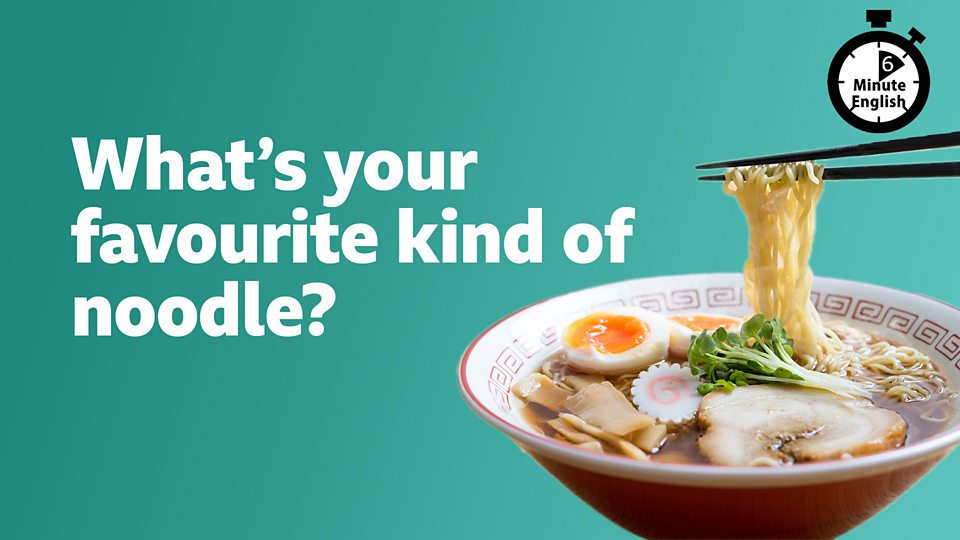
당신은 [Marco Polo가 국수를 이탈리아로 가져와서 파스타 발명으로 이끌었다는] 이야기를 들어본 적이 있습니까? 당신은 그것이 사실이라고 생각하십니까? 닐과 베스가 이것을 논의합니다. 그리고 당신에게 몇몇의 새로운 어휘를 가르칩니다.
Have you heard the story that Marco Polo brought noodles back to Italy, leading to the invention of pasta? Do you think it's true? Neil and Beth discuss this and teach you some new vocabulary.

이 자료는 BBC Learning English 코너의 6 Minute English가 매주 재공하는 스크립트를 직역한 것입니다. 이번 주 스크립트의 주제는 'What's your favourite kind of noodle?' 입니다.
해석은 철저하게 직역하였습니다. 관계사절 등의 절이나 긴 부정사, 동명사구, 삽입구 등은 이해를 위해 []를 사용해 묶었습니다. 이 글의 목적은 번역이 아니라 원문을 영어적으로 이해하는 것이기 때문입니다.
[본문] [01] Hello, this is 6 Minute English from BBC Learning English.
[직역] 안녕(하세요) 여기는 BBC 학습 영어의 6분 영어입니다
[본문] [02] I'm Neil.
[직역] 나는 닐입니다
[본문] [03] And I'm Beth.
[직역] 그리고 나는 베쓰입니다
[본문] [04] Do you enjoy eating noodles, Beth?
[직역] 베스, 당신은 국수 먹는 것을 즐겨 합니까?
[본문] [05] I love noodles, yes.
[직역] 맞아요, 나는 국수를 대단히 즐깁니다.
[본문] [06] I think my favourite are udon - the big thick ones.
[직역] 나는 [내가 좋아하는 (국수는) 크고 두꺼운 것인 우동이다] (라고) 생각합니다.
[본문] [07] Mmm, they're so good!
[직역] 아하! 그것들은 대단히 좋습니다.
[본문] [08] Well, some people buy them dried in a packet, others make them fresh from wheat or rice, but there is little doubt that noodles are popular around the world.
[직역] 그래요 몇몇 사람들은 꾸러미 안에 말라 있는 그것들을 삽니다. 그 밖의 사람들은 그것들을 밀이나 쌀로 새로 만듭니다. 그러나 [국수가 세계적으로 인기 있다] 라는 것은 거의 의심할 수 없습니다.
[본문] [09] From their origins, probably somewhere in China, noodle recipes were spread by traders on the ancient Silk Road.
[직역] 아마도 중국에 있는 어딘 가에 그들의 원산지로부터 국수 레시피는 고대의 실크 로드에 있는 거래자들에 의해 확산되었습니다
[본문] [10] At each destination along the road, people gave noodles a twist, adding different flavours and ingredients to create a new dish.
[직역] 길을 따라 있는 각각의 목적지에서, 사람들은 국수에 변화를 주었고, 새로운 요리를 창조하기 위해 각각 다른 맛과 식자재를 보탰습니다.
[본문] [11] In this programme, we'll visit the United States and Japan, two countries which have taken noodles and created exciting new varieties.
[직역] 이 프로그램에서 [우리는 국수를 받아들이고 흥미롭고 새로운 종류를 창조한] 두 나라인 미국과 일본을 방문할 것입니다.
[본문] [12] As usual, we'll learn some useful new vocabulary, and remember - you can read along with the transcript of this programme, available now on our website, bbclearningenglish.com.
[직역] 늘 그렇듯이, 우리는 몇몇 쓸모있는 새로운 낱말들을 배울 것입니다. 그리고 [당신이 이제 우리의 웹사이트인 bbclearningenglishcom에서 구할 수 있는 이 프로그램의 원고에 덧붙여 읽을 수 있다] (라는 것을) 기억하십시오.
[본문] [13] But first, Neil, I have a question for you.
[직역] 그러나 우선 닐, 나는 당신에게 질문합니다.
[본문] [14] As well as different shapes and ingredients, noodles come in many different flavours.
[직역] 다른 모양과 식자재에 더하여, 국수는 많은 다른 맛으로 다가왔습니다.
[본문] [15] So which region of China is famous for its spicy flavours?
[직역] 그래서 중국의 어느 지방이 그것의 매운 맛으로 유명합니까?
[본문] [16] Is it:
[직역] 이것입니다.
[본문] [17] a) Shanghai, b) Sichuan, or c) Guangzhou?
[직역] ⒜ 상하이 ⒝ 씨추안, or ⒞ 광저우?
[본문] [18] Well, I think actually, Beth, I know the answer to this.
[직역] 그래요 베스, 나는 [내가 실제로 이것에 대한 답을 안다] (라고) 생각합니다.
[본문] [19] I've been lucky enough to have been to this place.
[직역] 나는 이 장소에 가본 적 있었을 정도로 충분히 운이 좋았습니다.
[본문] [20] I think it's b) Sichuan.
[직역] 나는 그것은 Sichuan이다 (라고) 생각합니다.
[본문] [21] OK.
[직역] 오케이
[본문] [22] Well, you sound confident.
[직역] 그래요 당신이 자신감 있는 것 같습니다.
[본문] [23] I will reveal the answer later in the programme.
[직역] 나는 나중에 프로그램에서 답을 밝히겠습니다
[본문] [24] BBC World Service programme, The Food Chain, investigated how noodles spread from Asia through Europe to America.
[직역] 비비씨 월드 서비스 프로그램 더후드체인은 [어떻게 국수가 아시아에서 유럽을 통해 미국까지 퍼졌는지]를 살펴보았습니다.
[본문] [25] They uncovered a surprising story: that pasta comes from noodles brought back to Italy by Marco Polo in the 13th century.
[직역] 그들은 놀라운 이야기를 알아냈습니다. (즉,) 파스타가 13 세기에 Marco Polo에 의해 이탈리아로 가져온 국수에서 비롯되다 라는 것입니다.
[본문] [26] Jen Lin-Liu, author of the book 'On the Noodle Road', doesn't believe this story.
[직역] Noodle Road 라는 책의 저자인 Jen Lin-Liu는 이 이야기를 믿지 않습니다.
[본문] [27] So, noodles were very exotic in the 1920s and 30s in the United States, and there was a new pasta association in America that wanted to promote the manufacturing of dried pasta.
[직역] 그래서, 국수는 1920년대와 30년대에 미국에서 매우 이국적이었습니다. 그리고 미국에 말린 파스타 제조업을 홍보하고 싶었던 새로운 파스타 협회가 있었습니다.
[본문] [28] And so they came up with a story about how Marco Polo went to China and found the noodle there, and brought it all the way to Italy.
[직역] 그리고 그래서, 그들은 [Marco Polo가 어떻게 중국에 가서 거기에서 국수를 발견하고 그리고 그것을 온 힘을 다해 이탈리아로 가져왔는지]에 관한 이야기를 생각해냈습니다.
[본문] [29] In the 1920s, noodles were popular because they were exotic, meaning foreign, unusual and exciting.
[직역] 1920년대에 국수는 인기 있었습니다. 왜냐하면 그것들은 이국적이었기 때문입니다. (즉, exotic은) '이질적이고 특이하고 흥미진진한' 이라는 의미(입니다).
[본문] [30] At that time pasta companies were promoting a new invention, dried pasta, so they came up with a story about Marco Polo to sell more pasta.
[직역] 그때에 파스타 회사들은 새로운 발명품인 마른 파스타를 홍보하고 있었습니다. 그래서 그들은 좀더 많은 파스타를 팔기 위해 Marco Polo에 관한 이야기를 생각해냈습니다.
[본문] [31] If you come up with something, you suggest or think up an idea.
[직역] 만약 당신이 무언가를 'come up with' 하면 당신은 어떤 생각을 제안하거나 생각해 냅니다.
[본문] [32] And it worked - sales of pasta jumped as a result!
[직역] 그리고 그것은 효과가 있었습니다. 결과적으로 파스타의 매출액이 뛰었습니다.
[본문] [33] Now, our second destination, Japan, also has a history of eating noodles.
[직역] 이제 우리의 두번째의 목적지인 일본도 또한 국수를 먹는 역사가 있습니다.
[본문] [34] One of the most famous Japanese noodle dishes is ramen, and Frank Striegl, a blogger living in Tokyo, knows all about it.
[직역] 가장 유명한 일본 국수 요리 중의 하나는 라면입니다. 그리고 Tokyo에 들어가 살고 있는 블로거인 Frank Striegl은 그것에 관해 대부분을 압니다.
[본문] [35] He eats over 300 bowls of ramen a year!
[직역] 그는 1년에 300 그릇의 라면을 먹습니다.
[본문] [36] He explained to BBC World Service's The Food Chain how Chinese immigrants to Japan in the late 1800s influenced this Japanese dish.
[직역] 그는 비비씨 월드 서비스 더후드체인에 [어떻게 늦은 1800년대에 일본으로 간 중국의 이민자들이 이 일본 요리에 영향을 주었는지]를 설명합니다.
[본문] [37] And at one point or another, different chefs decided to localise these dishes.
[직역] 그리고 한 번쯤은 다른 쉐프들은 이러한 요리들을 현지화하기로 결심합니다.
[본문] [38] They said, "We love these Chinese noodle dishes. However, why don't we tweak them? Why don't we make them a little bit more Japanese?"
[직역] 그들은 [우리가 이러한 중국의 국수 요리를 무척 좋아합니다. 하지만 왜 우리는 그것들을 변경해 보려고 하지 않는가? 왜 우리들은 그것들을 좀더 일본식으로 만들려 들지 않는가?] (라고) 말했습니다.
[본문] [39] Frank says that at one point or another, chefs started to make noodle dishes more Japanese.
[직역] Frank는 [한 번쯤은 쉐프들이 국수 요리를 좀더 일본식으로 만들기 시작했다] 라는 것을 말합니다.
[본문] [40] Here, the phrase at one point or another means at some unspecified time in the past.
[직역] 여기서 'at one point or another' 라는 구는 어떤 명시되지 않은 옛날의 시간이라는 의미입니다
[본문] [41] They did this by tweaking Chinese noodles - in other words, by changing them slightly to make them better, different or, in this case, more Japanese.
[직역] 그들은 이것을 〈중국의 국수를 변경하여〉 〈달리 말하면 그것들을 좀더 좋게, 다르게, 또는 이 경우에는 좀더 일본식으로 만들려고 그것들을 약간 바꿈으로써〉 만들어 냈습니다.
[본문] [42] By making these tweaks, adding new toppings and slices of beef or chicken, Japanese chefs created the noodle dish we know today as ramen.
By making these tweaks, adding new toppings and slices of beef or chicken, Japanese chefs created the noodle dish {which/that} we know today as ramen.
[직역] 이렇게 변경을 하고, 소고기나 닭고기의 새로운 고명과 조각을 보탬으로서, 일본 쉐프들은 [오늘날 우리가 라면이라고 알고 있는] 국수 요리를 창조했습니다.
[본문] [43] Here's Frank Striegl again, talking with BBC World Service's The Food Chain.
[직역] 여기에 Frank Striegl 한 번 더 있습니다. 그리고 그는 비비씨 월드 서비스 더후드체인과 함께 말을 나눕니다.
[본문] [44] And what I find fascinating about ramen, compared to perhaps other wonderful noodle dishes around the world, is that ramen continues to evolve.
[직역] 그리고 [내가 라면에 관해 대단히 흥미롭다고 알게 된 것]은 세계에 걸쳐 있는 다른 아주 멋진 국수 요리와 비교하여 아마도 [라면이 계속하여 진화한다] 라는 것입니다
[본문] [45] Unlike other Japanese foods, it's OK to push the boundaries.
[직역] 다른 일본 식품과 달리, 그것은 한계를 뛰어넘어도 되었습니다.
[본문] [46] Frank thinks that Japanese ramen continues to evolve - to develop and change gradually in response to new developments and ideas.
[직역] Frank는 [일본 라면은 계속하여 진화한다] 라는 것을 생각합니다. (즉, evolve는) 새로운 성장과 아이디어에 반응하여 서서히 발전시키고 바꾸는 것입니다.
[본문] [47] Unlike other traditional food such as sushi, modern versions of ramen push the boundaries.
[직역] 초밥과 같은 다른 전통의 식품과 달리 현대 판의 라면은 한계를 뛰어넘습니다.
[본문] [48] If you push the boundaries, you act in a way which challenges normal acceptable behaviour.
[직역] 만약 당신이 push boundaries' 하면, 당신은 [보통의 받아들여지는 행위에 도전하는] 방식으로 행동합니다.
[본문] [49] Yes, noodles have changed so much since ancient times that today you can buy them dried in a packet and simply add hot water.
[직역] 맞아요 국수는 오래된 때로부터 [오늘날 당신이 그것들을 포장된 상태로 마른 것으로 사고 그리고 단순히 더운 물을 보태면 될 정도로] 대단히 많이 바뀌어 왔습니다.
[본문] [50] But the flavours and the noodles themselves maintain a link to the past.
[직역] 그러나 맛과 국수 그 자체는 과거로의 연결을 유지합니다.
[본문] [51] Now, speaking of flavours, what was the answer to your question, Beth?
[직역] 이제 맛에 관해서 말한다면 베스, 당신의 질문에 대한 답은 무엇입니까?
[본문] [52] Well, I asked you which region of China is famous for its spicy flavours.
[직역] 그래요 나는 당신에게 [중국의 어느 지방이 그것의 매운 맛으로 유명한지를] 물었습니다.
[본문] [53] You were very confident with saying Sichuan and that is the correct answer.
[직역] 당신은 Sichuan을 말하는 것에 아주 자신감 있었습니다. 그리고 그것은 맞는 답변입니다.
[본문] [54] Sichuan is a place that is famous for spicy food, such as the Sichuan pepper and Sichuan hotpot.
[직역] 쓰촨(四川)은 [예를 들어 쓰촨(四川) 후추와 쓰촨(四川) 핫팟과 같은 매운 음식으로 유명한] 곳입니다.
[본문] [55] OK.
[직역] 오케이
[본문] [56] It's time to recap the vocabulary we've learnt.
It's time to recap the vocabulary {which/that} we've learnt.
[직역] 우리가 배워온 어휘를 요점 정리할 시간입니다
[본문] [57] If you give something a twist, you change it in some small way to create something new and exciting.
[직역] 만약 당신이 'give something a twist' 하면, 당신은 〈새롭고 신나는 무언가를 창조하는〉 〈어떤 작은 방식으로〉 그것을 바꿉니다.
[본문] [58] The adjective exotic means unusual and exciting because of coming from far away.
[직역] 형용사 exotic은 멀리 떨어진 곳에서 왔기 때문에 unusual(특이한)과 exciting(신나는) 이라는 의미입니다.
[본문] [59] The phrase, at one point or another means at some unspecified time in the past.
[직역] 'at one point or another' 이라는 구는 어떤 명시되지 않은 옛날의 시간에 라는 의미입니다
[본문] [60] If you tweak something, you alter it slightly in order to improve it.
[직역] 만약 당신이 무언가를 tweak 하면, 당신은 그것을 개선하려고 그것을 약간 바꿉니다.
[본문] [61] Something which evolves, develops and changes gradually.
[직역] ['evolve' 하는] 무언가는 서서히 발전시키고 바꿉니다.
[본문] [62] And finally, the idiom to push the boundaries means to do things which challenge normal acceptable behaviour.
[직역] 그리고 마지막으로 'push the boundaries' 라는 관용구는 보통의 받아들여지는 행동에 도전하는 어떤 거를 하는 것이라는 의미입니다
[본문] [63] Once again, our six minutes are up.
[직역] 한 번 한 번 더 우리의 6분 영어가 끝났습니다
[본문] [64] If you enjoyed the programme, why not visit our website and check out all of the different podcasts that we have at BBC Learning English.
[직역] 만약 당신이 프로그램을 즐겼다면, 우리의 웹사이트를 방문하여 [우리가 비비씨러닝잉그리시에 갖고 있는] 모든 다른 팟캐스트를 살펴보는 것은 어떻습니까?
[본문] [65] There's something there for everyone.
[직역] 모든 사람을 위해 거기에 무언가가 있습니다.
[본문] [66] Thanks for joining us and goodbye.
[직역] 우리와 함께 해 주셔서 감사합니다. 안녕히 계세요.
[본문] [67] Have you heard the story that Marco Polo brought noodles back to Italy, leading to the invention of pasta?
[직역] 당신은 [Marco Polo가 국수를 이탈리아로 가져와서 파스타 발명으로 이끌었다는] 이야기를 들어본 적이 있습니까?
[본문] [68] Do you think it's true?
[직역] 당신은 그것이 사실이라고 생각하십니까?
[본문] [69] Neil and Beth discuss this and teach you some new vocabulary.
[직역] 닐과 베스가 이것을 논의합니다. 그리고 당신에게 몇몇의 새로운 어휘를 가르칩니다.
pdf 파일은 이곳을 클릭하세요.
https://softca.tistory.com/3195을 클릭하세요.
이 블로그에는 [BBC 6분 영어와 관련하여 매주 다음과 같은 글들이 게시 됩니다
- 단어공부(금주 대본에 나온 주요 어휘) https://wordstudy.tistory.com/1324
- 멀티단어공부(금주 대본에 사용된 멀티단어(구동사, 숙어) 간단 정리) https://softca.tistory.com/3196
- 독해공부(금주 대본의 문장별 해석(직역) 자료) 이 글입니다
- 문장별 문법공부(문장별 문법 설명) 이 글의 포스팅 시점에는 아직 작성되지 않았습니다.
- 금주의 어휘(금주 대본에 나온 금주의 어휘를 집중적으로 정리한 자료) 이 글의 포스팅 시점에는 아직 작성되지 않았습니다.
- 항목별 문법공부(금주 대본에 나온 문법을 주제별/항목별로 정리한 자료) 이 글의 포스팅 시점에는 아직 작성되지 않았습니다.
- 금주의 구동사(금주 대본에 사용된 구동사 상세 정리) 이 글의 포스팅 시점에는 아직 작성되지 않았습니다.
- 금주의 PDF(금주의 PDF 및 기타 다운로드 파일) https://softca.tistory.com/3195

아래의 이미지를 클릭하시면 PDF로 된 대본(Script)를 다운받을 수 있습니다.
[영어 문장 공부] 자료를 처음 보시는 분은 아래의 링크를 클릭하셔서 「공부법」을 먼저 보시기를 권장 드립니다.
[영어문장공부] 학습법 보기
